


The Sweetener Swap
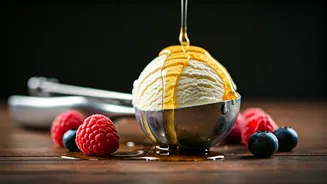
The first step is replacing white sugar. Natural liquid sweeteners are excellent alternatives, though each behaves differently. Maple syrup is a popular choice, offering a clean sweetness and rich flavour. You may need slightly more maple syrup than you
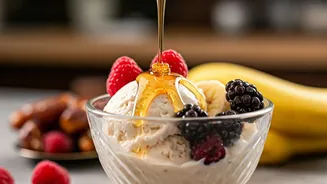
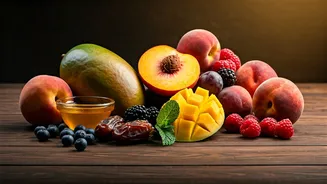
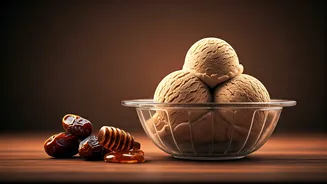
would sugar. Honey is another option, but its distinct flavour can sometimes overpower more delicate ice cream bases and may cause a harder freeze. For a truly whole-food approach, Medjool dates are a fantastic option. When soaked and blended, they create a caramel-like sweetness and add body to the ice cream base. Simply soaking pitted dates in warm water before blending them with your base ingredients creates a smooth, sweet foundation.
The Secret to Creaminess: Fat and Freezing
Sugar does more than just sweeten; it lowers the freezing point of the mixture, which helps prevent large ice crystals from forming and results in a creamier texture. Without it, we need to rely on other ingredients, primarily fat. Full-fat dairy like heavy cream and whole milk provide the richness needed for a smooth mouthfeel. Many recipes call for a custard base made with egg yolks, which adds richness and acts as a natural emulsifier, ensuring a consistently creamy result. For dairy-free versions, full-fat coconut milk or coconut cream is the gold standard, providing the necessary fat content for a decadent texture. Some recipes also incorporate ingredients like soaked cashews or even avocado to boost creaminess without dairy.
The Fruit-Forward Method: Nice Cream
One of the simplest ways to make sugar-free ice cream is by using frozen fruit as the base. The most common version is "nice cream," made by blending frozen, ripe bananas until they achieve a soft-serve-like consistency. The natural sweetness and pectin in bananas create a surprisingly creamy treat with no other added ingredients. You can blend in other frozen fruits like mangoes or berries for different flavours. While delicious immediately, you can also freeze the mixture for a firmer, more scoopable texture. For a richer result, a splash of full-fat coconut milk can be added during blending.
A Classic Custard-Style Base
For those seeking the texture of traditional premium ice cream, a cooked custard base is the way to go. This involves gently heating milk or cream with your chosen natural sweetener, such as maple syrup or blended dates. Separately, egg yolks are whisked. A small amount of the warm milk mixture is then slowly whisked into the yolks to temper them, preventing scrambling. This mixture is returned to the saucepan and cooked gently until it thickens enough to coat the back of a spoon. This custard base must be chilled completely—ideally overnight—before churning. The chilling step is crucial for the final texture, so don't rush it.
Essential Tips for Success
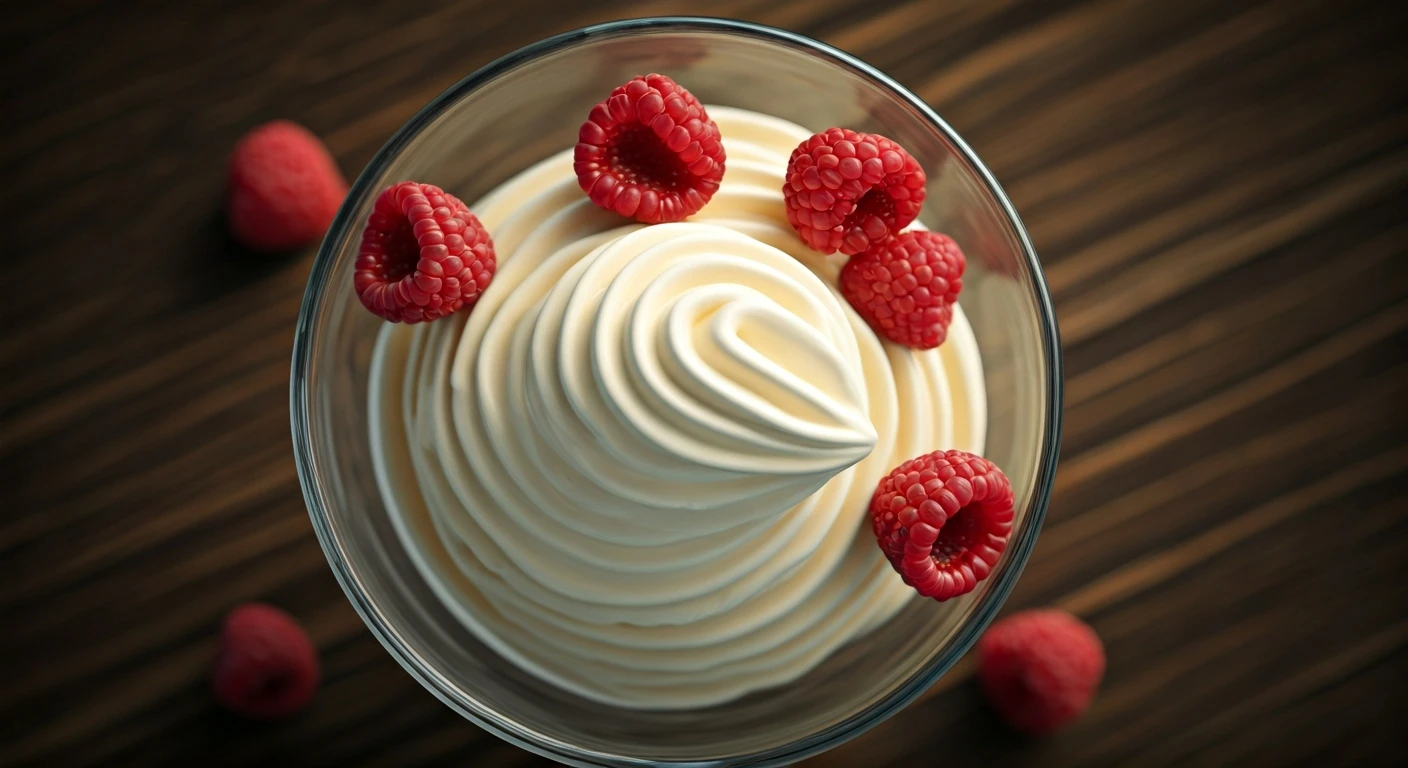
Whether you're using an ice cream maker or a no-churn method, a few tips can elevate your results. Always ensure your ice cream base is thoroughly chilled before you begin freezing it; at least 4 hours, but overnight is best. If using an ice cream maker, make sure the freezer bowl is frozen solid, typically for at least 24 hours. For no-churn recipes, which often rely on whipped cream to incorporate air, folding the ingredients gently is key to maintaining a light texture. A small amount of vodka or another neutral spirit (about a tablespoon) can be added to the base; the alcohol won't freeze, which helps keep the final product more scoopable.