

Kali Mirch, the king of spices, is a staple in every Indian kitchen, but its quality is not always guaranteed. Adulteration is common, but you don't need a lab to protect your family. Simple home tests can reveal what's really in your spice jar.
Why Purity in Pepper Matters
Pure black
pepper offers a sharp, pungent flavour and a host of health benefits, largely due to a compound called piperine. However, when adulterated, its value diminishes significantly. Common impurities are added to increase weight and profit, ranging from relatively harmless fillers to toxic substances. Consuming fake pepper not only cheats your taste buds but can also introduce harmful elements into your diet, potentially causing digestive issues or other health problems. Ensuring the purity of your pepper means you get the authentic flavour, aroma, and health-boosting properties you expect.
Common Impurities to Watch For
The most common adulterant found in whole black pepper is dried papaya seeds. They are similar in appearance and are mixed in to add bulk cheaply. Another frequent issue is the addition of light or hollow peppercorns, which are immature berries that lack flavour and potency. Some suppliers also coat peppercorns with mineral oil to give them an appealing, shiny finish. This petroleum-based product is not fit for human consumption and can pose health risks. In powdered pepper, the problem can be worse, with fillers like sawdust or husk sometimes being added.
Test 1: The Water Float Test
This is the simplest and most effective test for detecting papaya seeds, as recommended by the Food Safety and Standards Authority of India (FSSAI). Simply drop a spoonful of your whole black pepper into a clear glass of water. Wait a minute and observe. Pure, dense black peppercorns will sink to the bottom. Adulterants like dried papaya seeds and hollow, poor-quality peppercorns are lighter and will float on the surface. If you see a significant number of 'peppercorns' floating, your batch is likely adulterated.
Test 2: The Visual and Crush Test
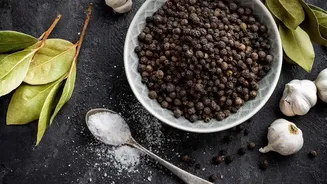
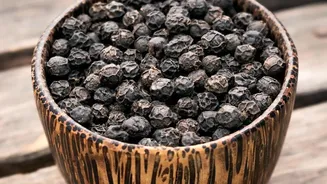
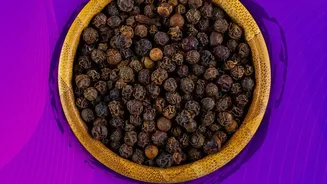
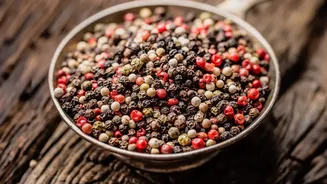
Your senses are a powerful tool. Start by examining the peppercorns. Genuine black pepper has a distinctly wrinkled, rough surface and is generally uniform in its dark-brown or black colour. Papaya seeds, by contrast, are often more oval-shaped with a smoother, shrunken surface and can have a greenish-brown tint. Next, perform a press test. Place a few peppercorns on a hard surface and press down firmly with your finger or a spoon. A pure, mature peppercorn is hard and will not break easily. Adulterated berries, like light blackberries or papaya seeds, are often softer and will crumble with less pressure.
Test 3: Checking for Mineral Oil
An unnatural shine on peppercorns can be a red flag for a mineral oil coating. To check for this, you can perform two simple tests. First, simply smell a handful of the pepper. If you detect a faint kerosene or chemical odour, it may have been coated. For a more definitive check, rub a few peppercorns vigorously on a plain white piece of paper. If the pepper has been coated with mineral oil, it will leave a greasy, translucent stain that does not evaporate. Pure pepper will not leave such a mark. Since mineral oil is a petroleum derivative, it's best to discard any pepper that shows signs of this adulterant.
How to Buy Quality Black Pepper
The best way to ensure quality is to be a smart shopper. Whenever possible, buy whole peppercorns instead of pre-ground powder, as powder is much easier to adulterate with hidden fillers like sawdust. Purchase your spices from trusted brands and reputable sellers. Examine the packaging and look for quality certifications like an FSSAI mark. Be wary of peppercorns that are sold at an unusually low price or those that look unnaturally glossy. By grinding your pepper fresh at home, you not only get the best flavour but also have the chance to inspect the whole peppercorns yourself, ensuring what you consume is pure and safe.