





What Makes the Harvest Moon Special?
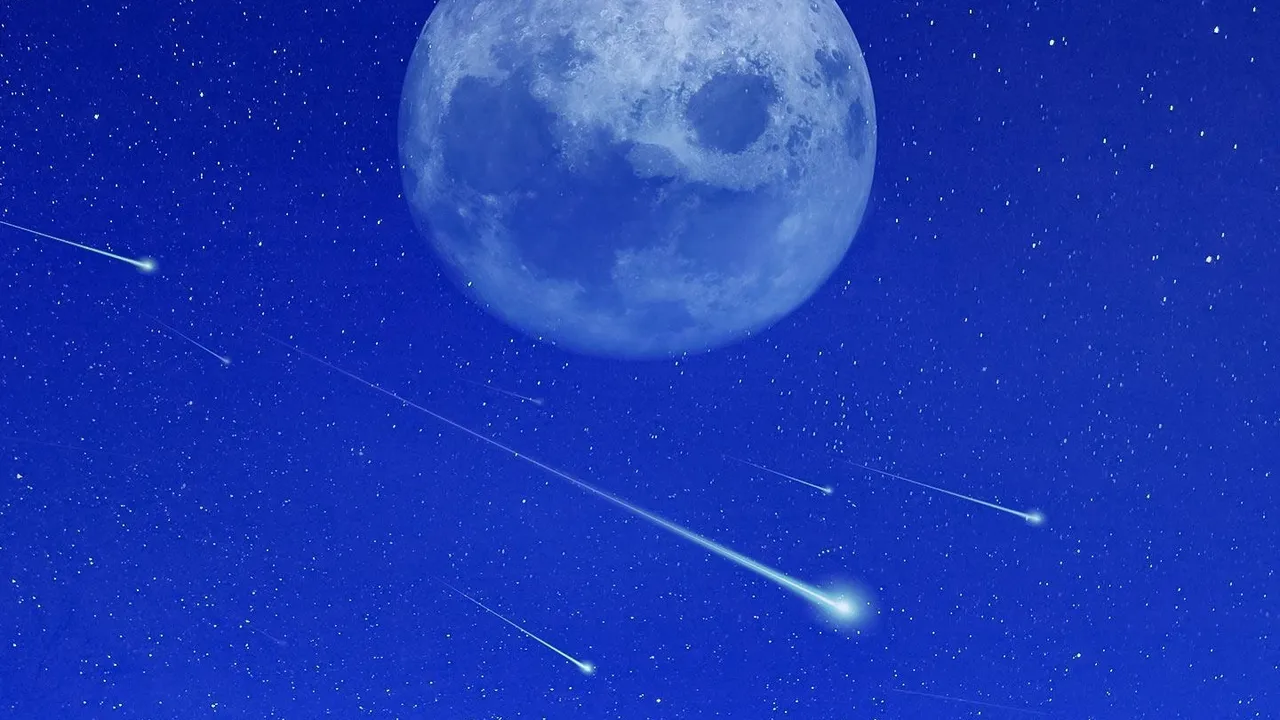
The Harvest Moon is the name given to the full moon that occurs closest to the autumnal equinox, which marks the beginning of autumn in the Northern Hemisphere. Historically, its name comes from a time before electricity, when farmers relied on the moon's
bright light to work late into the night, gathering their crops. What makes it unique isn't its appearance—it looks like any other full moon—but its behavior. For several evenings around its peak, the moon rises at almost the same time, just after sunset. This provides a string of brightly lit evenings, a phenomenon that was crucial for farmers and is a delight for modern sky-watchers. The 2026 autumnal equinox falls on September 22, making the full moon just a few days later the official Harvest Moon.
Mark Your Calendar: When to Look Up
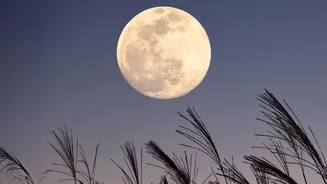
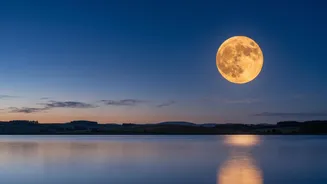
For observers in India, the 2026 Harvest Moon will reach its peak illumination on the night of Saturday, September 26. The exact time of peak fullness is around 10:19 PM IST. However, you don’t need to wait for that specific moment. The best time to watch is during moonrise, when the moon appears largest and often takes on a beautiful golden or orange hue as its light filters through the thickest part of Earth's atmosphere. This effect is known as Rayleigh scattering. Check a local astronomy app for the precise moonrise time in your city on September 26, and plan to be ready a few minutes beforehand. The moon will appear full and bright for the entire night and into the early hours of September 27.
Location, Location, Location: Beating the City Glow
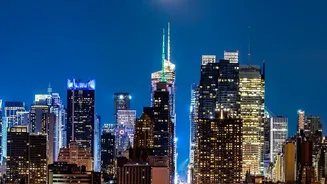
The biggest challenge for any urban astronomer is light pollution. To give yourself the best chance, you need to find a spot with the clearest possible view of the eastern horizon, as this is where the moon will rise. Think about elevated or open spaces. A high-rise rooftop, a large park, a lakeside, or the city's outskirts are all excellent options. The goal is to put as much distance as possible between you and the direct glare of streetlights, billboards, and building lights. Even finding a spot in a local park that is shielded by a line of trees from a main road can make a significant difference. The less direct artificial light in your immediate vicinity, the better your eyes will adapt to the darkness.
Simple Tips for a Better Viewing Experience
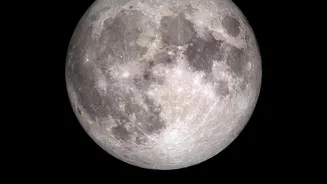
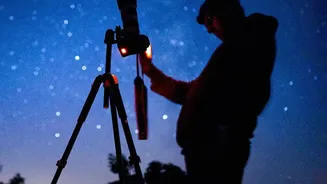
Once you've found your spot, a few simple tricks can dramatically improve your view. First, allow your eyes to 'dark adapt' for at least 20-30 minutes. This means avoiding all bright lights, especially your phone screen. If you need a torch, use one with a red light, as it doesn't ruin your night vision. Second, consider bringing a pair of binoculars. While the moon is easily visible with the naked eye, binoculars will reveal stunning details like craters and maria (the dark 'seas' on the lunar surface). Finally, be patient. The beauty of the Harvest Moon isn't a fleeting event like a meteor; it's about taking the time to watch it slowly ascend into the night sky. Also, keep an eye out for the planet Saturn, which will be visible as a bright, star-like object near the moon on that night.
Manage Expectations and Check the Weather
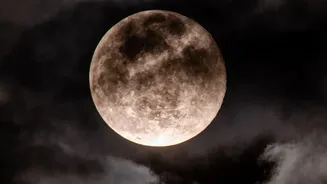
It's important to remember that the Harvest Moon won't look fundamentally different from other full moons in terms of size. Its magic lies in its timing, its golden rise, and the story behind its name. The biggest variable, especially in India in September, is the weather. The tail end of the monsoon season can mean cloudy skies. Before you head out, check the local weather forecast for your city. A clear or partly cloudy sky is essential for a good view. If clouds do obscure the view on the 26th, don't worry. The moon will still appear nearly full and rise close to sunset on the nights immediately following, giving you another chance to catch the show.