
1. Garam Masala: The Heart of North Indian Cooking
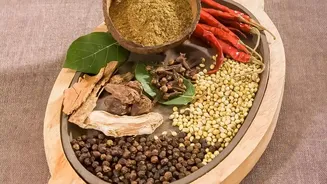
No North Indian kitchen is complete without Garam Masala. Translating to 'warm spice mix', this blend is more about warmth and aromatic depth than fiery heat. While recipes are countless and often a closely guarded family secret, a classic blend typically
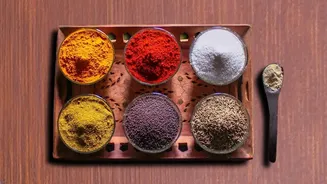
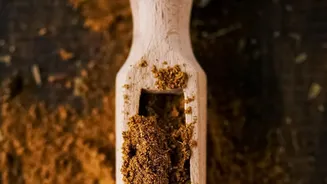
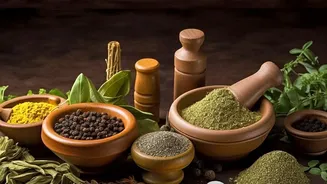
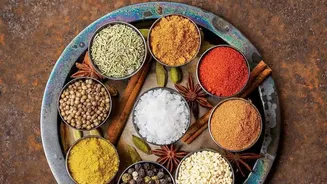
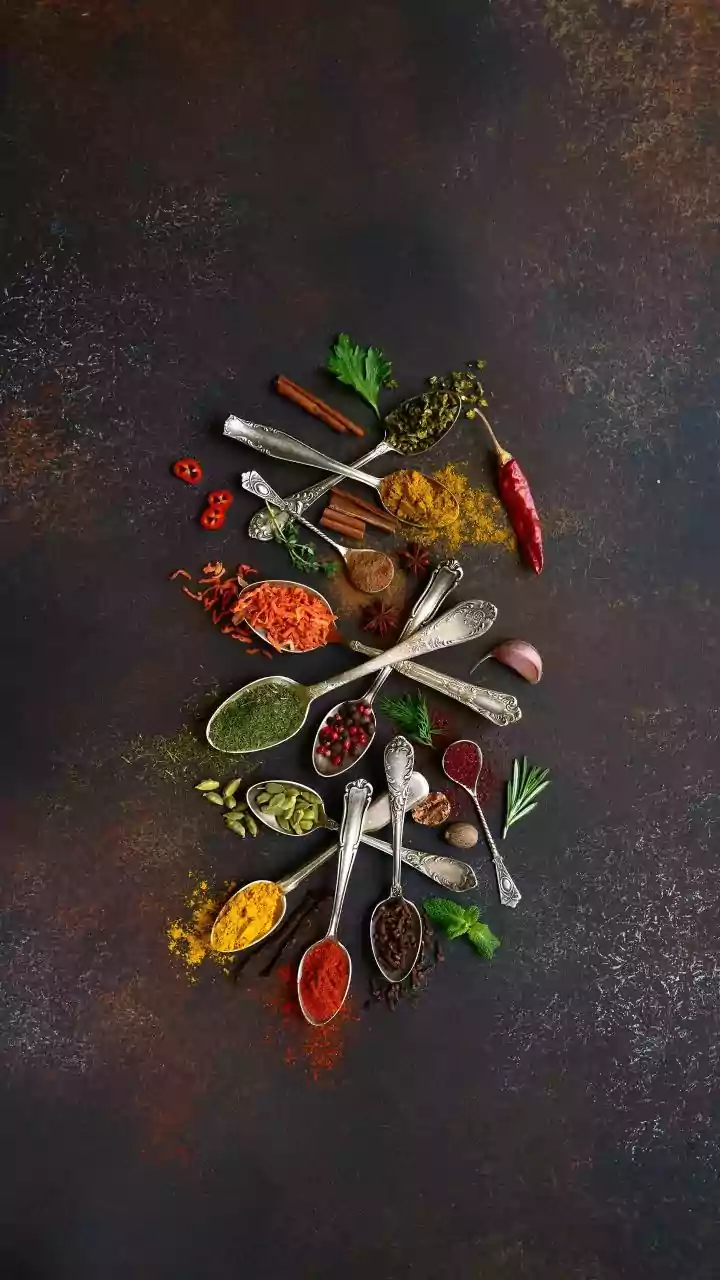
relies on a balance of specific spices. It’s the finishing touch that adds complexity to curries, dals, and soups. A common combination includes cumin, coriander, black peppercorns, cardamom, cinnamon, and cloves. To make your own, dry roast whole spices like cumin seeds, coriander seeds, cloves, peppercorns, cinnamon sticks, and cardamom pods in a pan until fragrant, about 3-4 minutes. After they cool, grind them into a fine powder. Unlike other masalas used during the cooking process, Garam Masala is often sprinkled at the end to preserve its potent aroma.
2. Panch Phoron: The Five-Spice Tempering Blend of Bengal
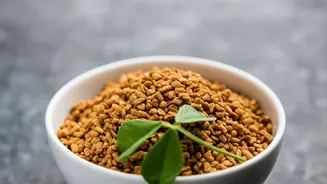
From Eastern India, particularly Bengal, comes Panch Phoron, which literally means 'five spices'. This blend is unique because it's always used with whole seeds, never ground. The magic happens when the blend is tempered in hot oil or ghee, releasing its complex aroma before other ingredients are added to the pan. The standard five seeds, used in equal parts, are fenugreek (methi), nigella (kalonji), cumin (jeera), black mustard seeds (rai), and fennel seeds (saunf). Some cooks may use slightly less fenugreek to avoid bitterness. Its flavour is a complex medley: mildly bitter, nutty, and aromatic. It is essential for flavouring vegetables, lentils, pickles, and fish dishes in Bengali cuisine.
3. Baharat: The All-Purpose Middle Eastern Blend
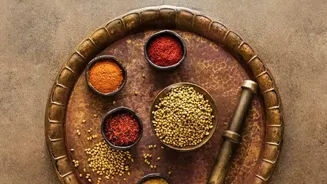
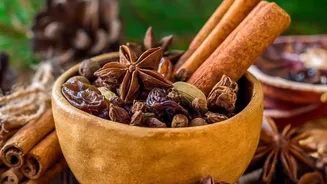
Baharat is the Arabic word for 'spices', and this all-purpose blend is a cornerstone of Middle Eastern cuisine. Like Garam Masala, its composition varies by region and family, but it generally delivers a warm, sweet, and smoky flavour profile. A typical mix includes black pepper, coriander, cumin, cloves, nutmeg, cinnamon, and paprika. Some variations might add allspice or even dried rose petals for a floral note. Baharat is incredibly versatile; use it as a rub for meats like lamb or chicken, a seasoning for roasted vegetables and rice, or a flavour booster for soups and stews. It provides a beautifully balanced warmth that is savoury and aromatic without being overwhelmingly spicy.
4. Za'atar: The Tangy and Herby Levantine Staple
Za'atar is both the name of a wild herb and the beloved spice blend made from it, central to the cuisine of the Levant (Palestine, Lebanon, Syria, Jordan). The flavour is uniquely tangy, herby, and nutty. A traditional blend consists of dried thyme or oregano (sometimes the specific 'za'atar' herb itself, or Bible hyssop), toasted sesame seeds, and ground sumac, which provides the characteristic citrusy tang. Salt is also a key component. The most classic way to enjoy Za'atar is also the simplest: mix it with good olive oil and use it as a dip for fresh bread. It's also sprinkled over hummus, labneh, salads, and is the signature topping for manakish, a popular Middle Eastern flatbread.
5. Dukkah: The Crunchy Egyptian Nut and Spice Mix
Originating from Egypt, Dukkah is more of a crunchy, textural condiment than a fine powder. The name is derived from the Arabic word 'to pound', which is how it was traditionally made. The base typically consists of toasted nuts (hazelnuts are common), sesame seeds, coriander, and cumin. The ingredients are lightly toasted to bring out their aroma and then coarsely ground, often in a food processor or with a mortar and pestle. The result is a fragrant, nutty, and savoury blend. Traditionally, Dukkah is served by dipping bread into olive oil and then into the blend. It's also fantastic sprinkled over roasted vegetables, salads, soups, avocado toast, or even eggs.