
Before You Go: Planning Essentials
A successful Sikkim trip starts with good planning. The best times to visit are during the spring (March to May) for blooming rhododendrons, or autumn (October to November) for clear skies and crisp mountain views. You'll likely arrive via Bagdogra Airport
(IXB) or New Jalpaiguri (NJP) railway station in West Bengal, both of which are about a 4-5 hour scenic drive from Gangtok. While Indian tourists don't need a permit for Gangtok itself, you will need a Protected Area Permit (PAP) for sensitive border areas like Tsomgo Lake, Nathula Pass, and all of North Sikkim. These are arranged by Sikkim-registered tour operators, so it’s crucial to book your transport and tours in advance and carry copies of your photo ID and passport-sized photos.
Day 1: Arrival in Gangtok and an Evening at MG Marg
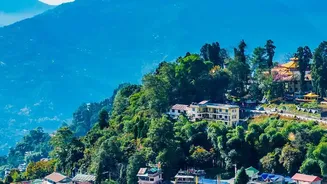
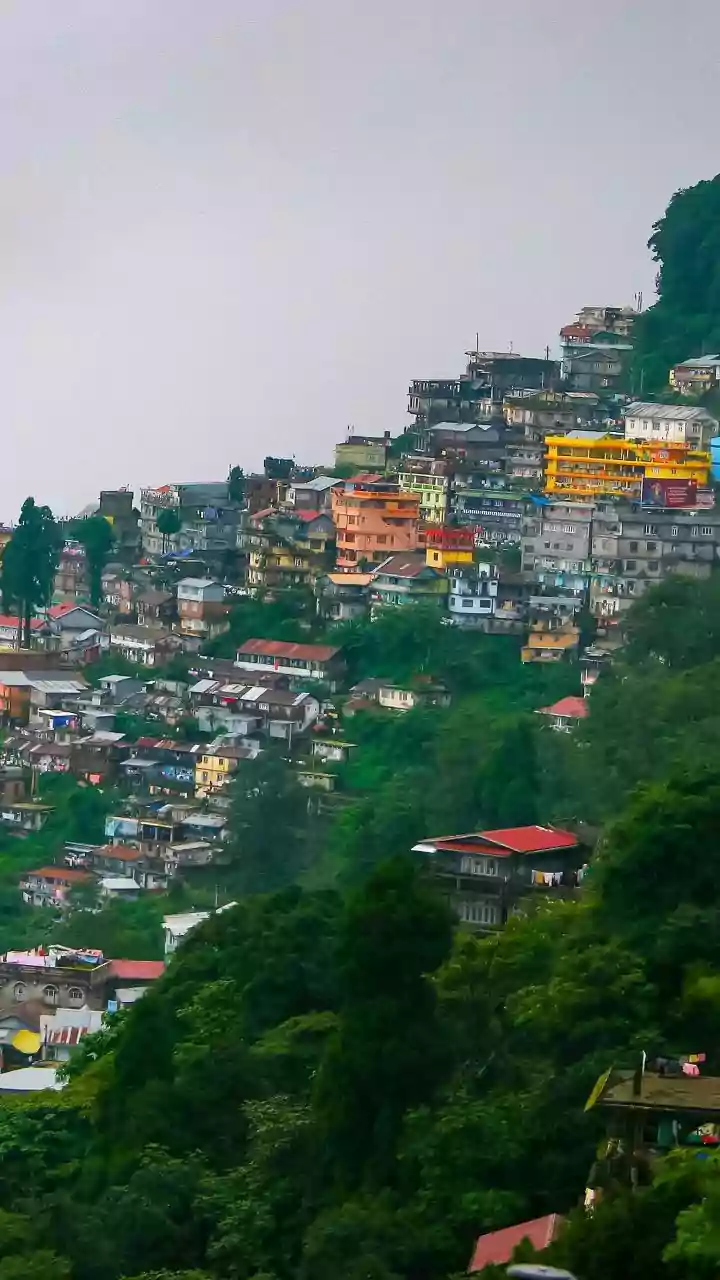
After the winding journey along the Teesta River, check into your hotel and take some time to acclimatise to Gangtok's altitude of around 5,413 feet. Your first evening is perfectly spent at MG Marg, the city's main promenade. This remarkable street is a pedestrian-only, smoke-free, and litter-free zone, giving it a clean and welcoming European feel. Lined with benches, Victorian lamps, cafes, and shops, it's the social heart of Gangtok. Enjoy a leisurely stroll, sit by the fountains, and soak in the lively atmosphere as locals and tourists mingle. For dinner, you're spoilt for choice with restaurants serving everything from local Sikkimese delicacies like momos and thukpa to other Indian cuisines.
Day 2: Exploring Gangtok’s Spiritual and Scenic Sights
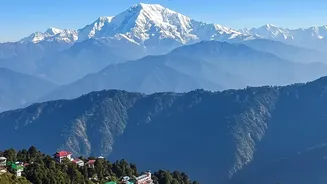
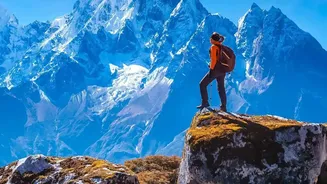
Dedicate your second day to exploring the cultural and natural beauty around Gangtok. A standard local sightseeing tour, often called '7-point' or '10-point' sightseeing, covers the main attractions. Start with a visit to Rumtek Monastery, one of Sikkim's largest and most significant monastic centres. Other must-visit spiritual sites include the serene Enchey Monastery and the Do Drul Chorten, a large stupa surrounded by 108 prayer wheels. For panoramic views of the city and the mighty Kanchenjunga range (on a clear day), head to viewpoints like Ganesh Tok and Tashi View Point. End your day with a visit to the Namgyal Institute of Tibetology to learn about Tibetan culture and history.
Day 3: High-Altitude Adventure to Tsomgo Lake
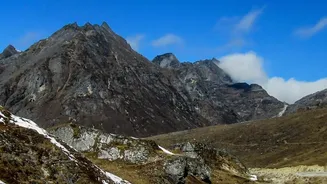
Prepare for a breathtaking excursion to Tsomgo Lake, also known as Changu Lake. Situated at an altitude of 12,313 feet, this glacial lake is revered by locals and freezes over in winter. The journey from Gangtok takes a few hours, climbing sharply into the mountains. You can walk around the lake or enjoy a yak ride. Nearby is Baba Harbhajan Singh Mandir, a shrine dedicated to an Indian army soldier. If you have the necessary permit (and it's not a Monday or Tuesday), you can continue to Nathu La Pass on the Indo-China border, one of the highest motorable roads in the world. The entire trip is a full-day affair, and you'll return to Gangtok by evening.
Day 4 & 5: Journey into North Sikkim’s Majesty
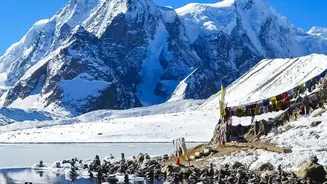
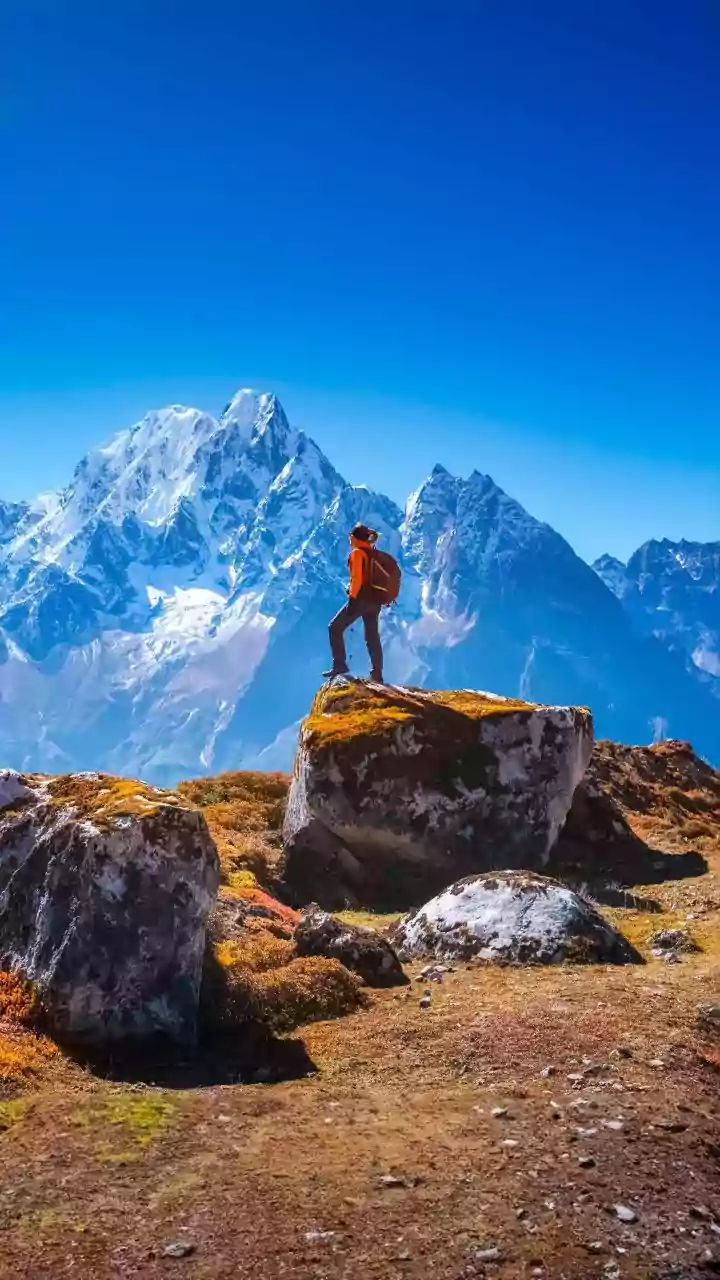
The next two days are dedicated to the rugged beauty of North Sikkim. The journey is long but spectacular. On Day 4, you'll travel from Gangtok to Lachen (approx. 6-7 hours), a small village that serves as the base for Gurudongmar Lake. The drive is scenic, passing several waterfalls like the Bhim Nala and Naga Falls. On Day 5, start early for the trip to the stunningly beautiful and sacred Gurudongmar Lake, one of the highest lakes in the world. After experiencing its serene grandeur, you'll travel to Lachung for the night, another picturesque village. This part of the trip is strenuous due to the high altitude and requires proper acclimatisation.
Day 6: Yumthang Valley and Departure
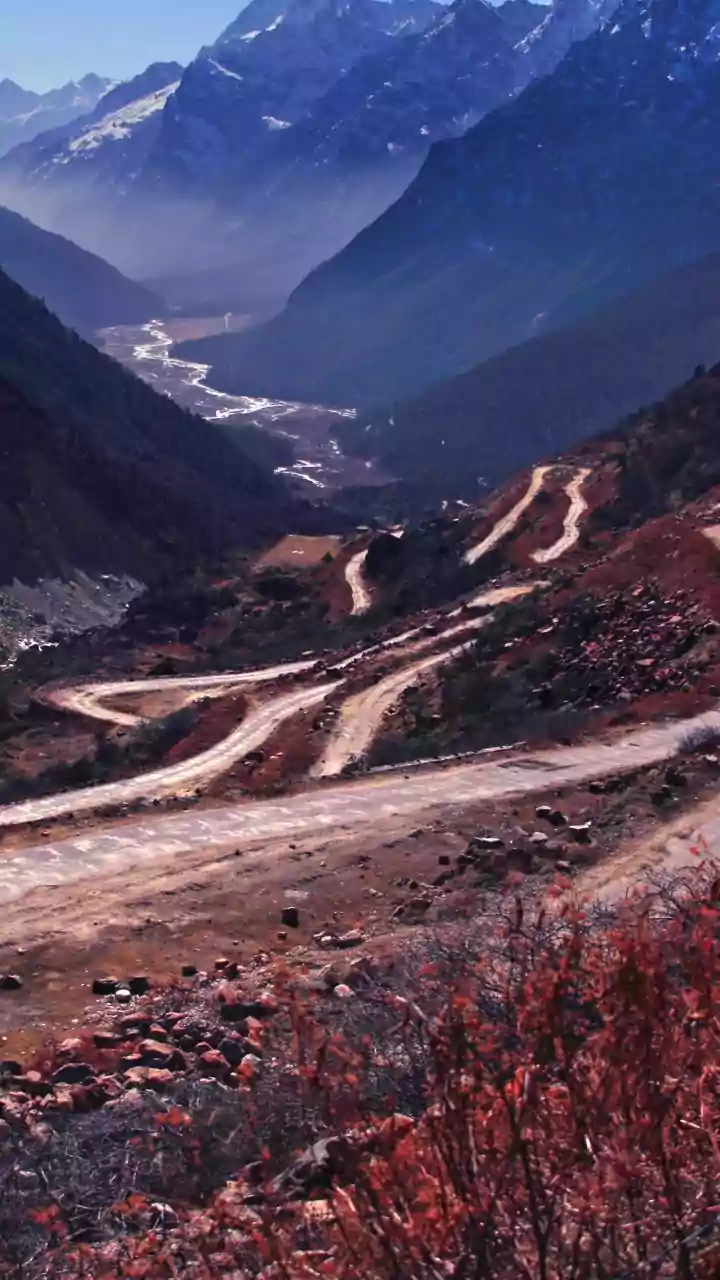
Your final day begins with a visit to Yumthang Valley, popularly known as the 'Valley of Flowers'. In the spring, the valley floor is a riot of colour with blooming rhododendrons and other alpine flowers. Depending on road conditions, you might have the option to travel further to Zero Point for incredible views of snow-clad mountains. After visiting the valley, you'll begin the long drive back towards Gangtok or directly to Siliguri/Bagdogra for your onward journey, filled with memories of Himalayan landscapes.