







The Science of Feeling Full
Satiety is more than just a stuffed stomach; it's the complex process that tells your brain you've had enough and keeps hunger at bay. To measure this, scientists developed the Satiety Index, which ranks foods on how well they satisfy hunger compared
to a reference food, white bread, which has a score of 100. Foods with a score higher than 100 are more filling. For example, boiled potatoes score a remarkable 323, while a croissant scores a mere 47. This shows that calorie for calorie, some foods are simply better at promoting fullness. This feeling of satisfaction is influenced by a food’s nutritional makeup, volume, and how it interacts with your digestive system and hormones.
The Whole Food Advantage: Fiber and Water
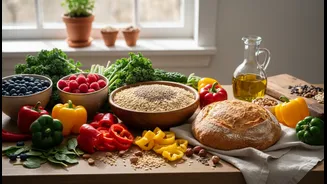
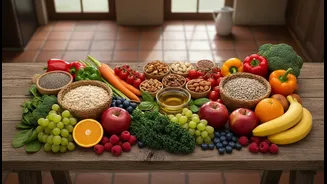
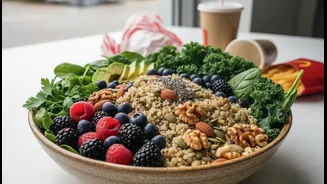
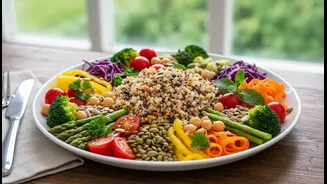
Lighter, whole foods like fruits, vegetables, and whole grains are champions of satiety primarily due to their high fiber and water content. These components add bulk and weight to food without adding excess calories. Think of it this way: a whole apple, full of water and fiber, is far more filling than the equivalent calories in apple juice, which has had its fiber removed. This bulk physically stretches the stomach, sending signals of fullness to the brain. Fiber also slows down digestion. This prevents the rapid spikes and subsequent crashes in blood sugar that can trigger cravings and a premature sense of hunger, which is common after eating refined carbohydrates found in many processed snacks.
Protein: The Satiety Superstar
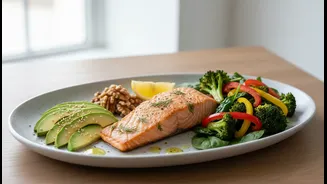
Alongside fiber, protein is arguably the most satiating macronutrient. Your body uses more energy to digest protein compared to fats and carbohydrates, a process which contributes to a feeling of fullness. Foods rich in lean protein, such as fish, eggs, beans, and lentils, consistently score high on the satiety index. Protein also helps regulate the hormones that control your appetite. It helps suppress ghrelin, often called the 'hunger hormone', while promoting hormones that signal fullness, like PYY and GLP-1. This hormonal balancing act is a key reason why a protein-rich breakfast of eggs can keep you satisfied until lunch, whereas a sugary cereal might have you reaching for a snack mid-morning.
Why Fast Food Leaves You Wanting More
Processed and fast foods are often engineered to be the opposite of satiating. They are typically stripped of their natural fiber and water, making them very energy-dense—meaning they pack a lot of calories into a small volume. These foods are also designed to be 'hyper-palatable,' a combination of fat, sugar, and salt that is so appealing it can encourage overeating before your body’s fullness signals have a chance to kick in. Research has shown that when people eat ultra-processed diets, they tend to consume more calories and gain weight compared to when they eat unprocessed diets, even when the meals are matched for nutrients like fat, sugar, and fiber. This is partly because these foods can disrupt the gut's hormonal balance, increasing hunger hormones and decreasing the ones that signal you're full.
Making Smarter, More Satisfying Choices
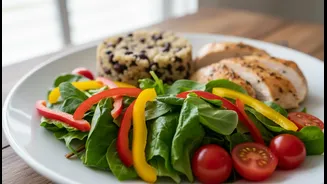
Choosing foods with a higher satiety value doesn't require a complete dietary overhaul. It's about making small, consistent swaps. Start by incorporating more whole foods into your meals. Adding a side of steamed vegetables or a simple salad can increase the volume and fiber of your meal, helping you feel fuller with fewer calories. Opt for whole grains like oats or brown rice instead of their white, refined counterparts. Prioritizing lean protein and plant-based fiber from sources like beans and lentils will naturally increase your meal's staying power. By focusing on the quality and composition of your food, you can work with your body’s natural hunger cues, leading to better energy levels and a more stable appetite throughout the day.