

Goodbye to the Showroom Look
For years, decorating a home often meant picking a complete collection from a single store. The sofa, coffee table, and side tables all matched, creating a cohesive but often impersonal space. That approach is fading as more Indians seek interiors that
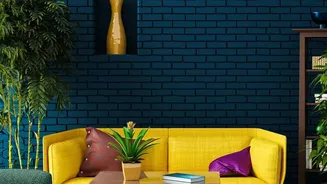
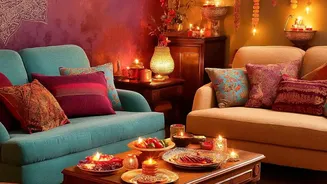
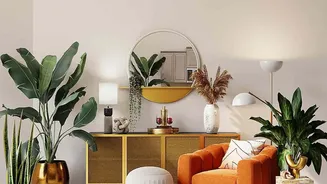
feel lived-in and reflect their personal journey. Homeowners are now intentionally creating contrast, pairing a sleek, modern sofa with a grandmother's intricately carved wooden chest, for example. The goal is no longer perfection but personality. This shift is partly a reaction to the sameness of 'algorithm homes' popularised on social media, where the same trendy items appear in countless spaces, creating a beautiful but anonymous aesthetic. The new Indian home is a curated collection assembled over time, not bought in a single shopping trip.
A Story in Every Corner
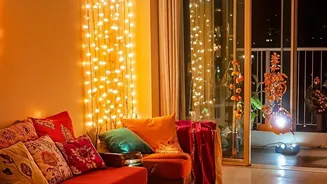
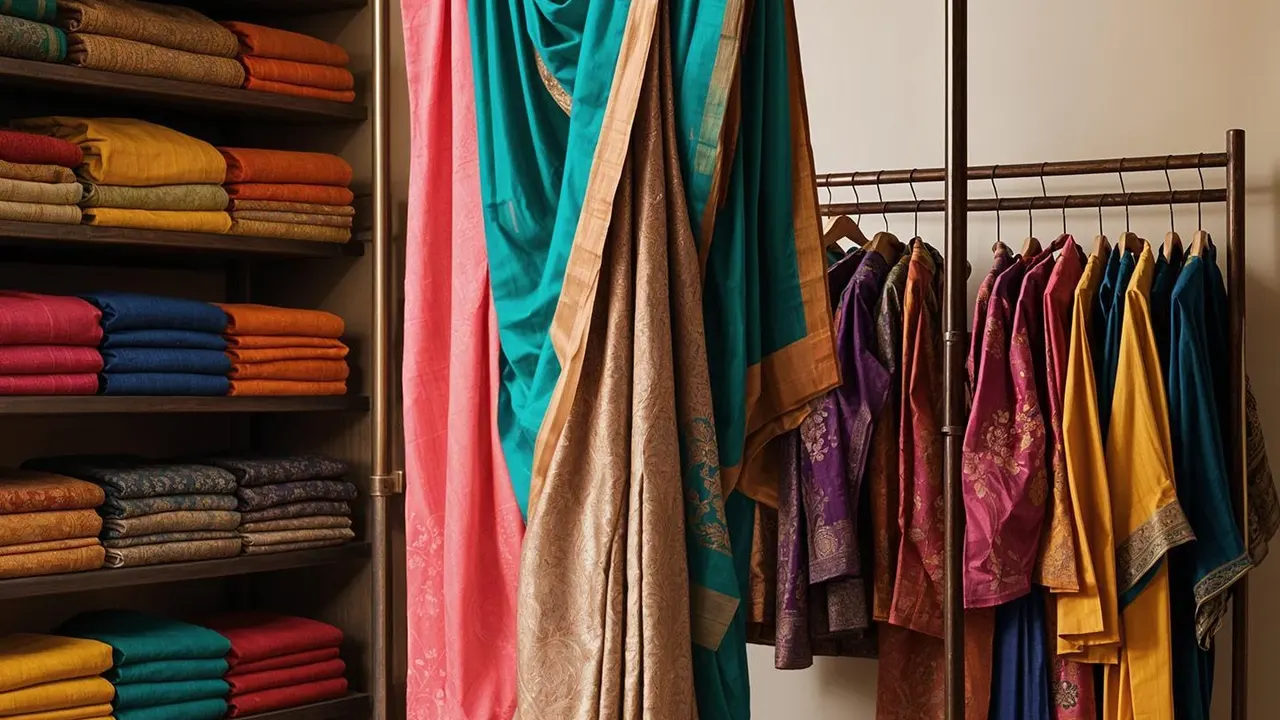
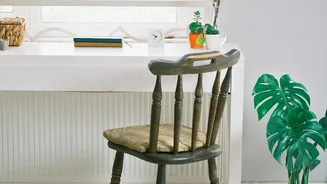
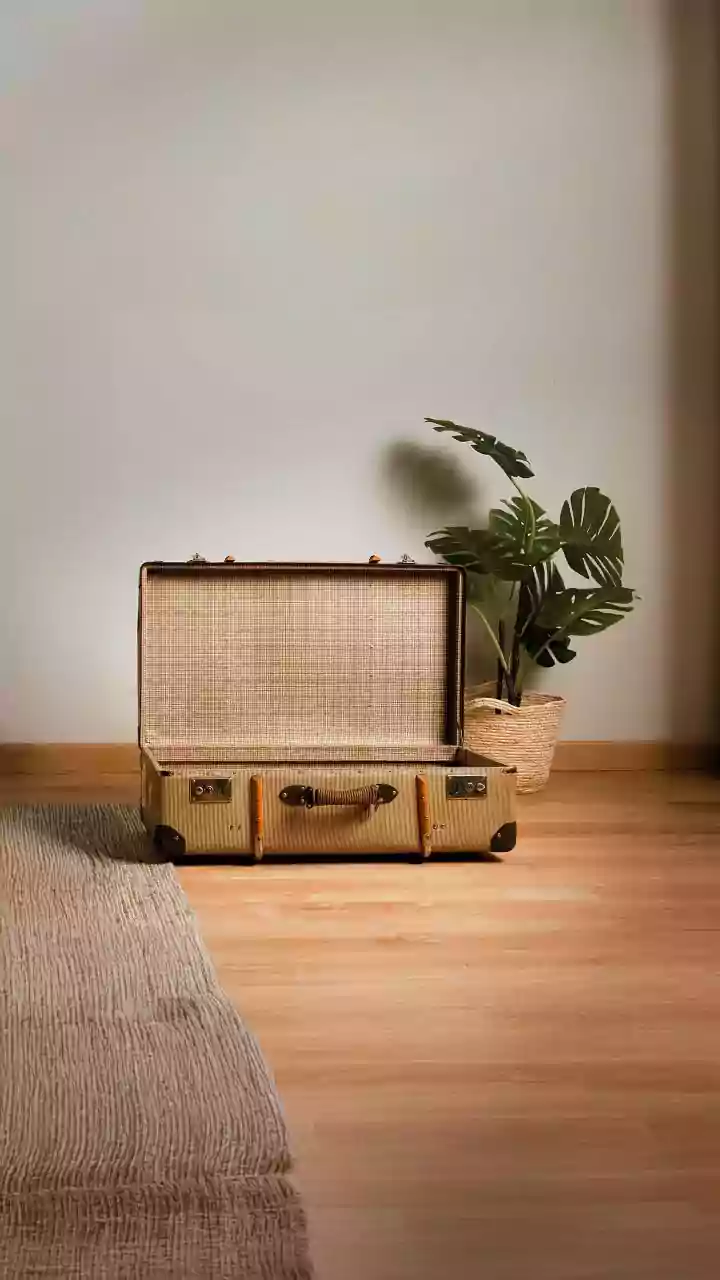
This trend is driven by a desire for authenticity and narrative. An old piece of furniture, whether a family heirloom or a find from a second-hand shop, comes with a history. It has a story that a mass-produced item lacks. Interior designers note that this blending of old and new allows a home to feel both contemporary and deeply rooted in culture. It's about creating a space where a modern minimalist layout can coexist with traditional Indian craftsmanship, like brass accents or handcrafted textiles. These carefully chosen heritage pieces add character and warmth, turning the home from a simple dwelling into a space that reflects family memories and personal values. Many find that the best furniture is already in their family, waiting to be restored and given a new life.
The Art of the Eclectic Mix
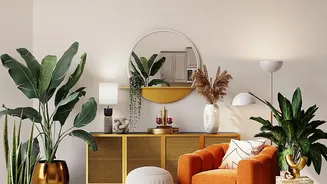
Successfully mixing disparate styles isn't about creating chaos; it's about finding a unifying thread. The secret to making contrasting furniture work together is to establish harmony through a common element. A good starting point is a neutral colour palette on the walls, like beige, ivory, or grey. This creates a calm backdrop that allows bold, traditional pieces to stand out without overwhelming the space. Another strategy is to link items through texture or material. A modern glass dining table can be paired with classic wooden chairs, or a new sofa can be complemented by a traditional wooden side table. The idea is to create a visual dialogue between the pieces, where different styles, periods, and materials add layers of interest and depth to the room.
The Sustainable and Smart Choice
Beyond aesthetics, this trend is powered by a growing consciousness around sustainability. As consumers become more aware of the environmental cost of 'fast furniture'—cheaply made items designed for short-term use—many are turning to more durable and eco-friendly options. Buying second-hand furniture is an inherently sustainable act; it reduces landfill waste and conserves the natural resources needed for new production. Thrifting is also budget-friendly, often allowing homeowners to acquire high-quality, solid wood furniture for a fraction of the cost of new, mass-produced alternatives. Repurposing or upcycling an old item not only saves money but also results in a unique piece that can't be found in any store.