






The Problem with Pen and Paper
Remember the old advice? Keep every receipt, write down every purchase in a notebook, and manually tally it all up at the end of the month. While the intention was noble, this method is prone to human error and, frankly, exhausting. In a world of UPI
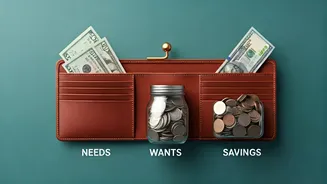
transactions, automatic subscriptions, and multiple payment methods, manual tracking has become nearly impossible to maintain consistently. The sheer effort required often leads to giving up entirely, leaving you with little to no idea where your money actually went. This lack of clarity is what makes saving feel so difficult; it’s hard to plan for the future when your financial present is a blur.
Automation Is Your New Best Friend
This is where modern expense tracking apps change the game. The single biggest advantage they offer is automation. Many of these apps securely link to your bank accounts and credit cards, or in India, they can often read your transaction SMS alerts. This means every time you spend, the transaction is automatically logged and categorised without you lifting a finger. That late-night Swiggy order, your monthly Netflix bill, and the morning coffee run are all recorded and sorted. This eliminates the tedious manual entry that caused so many to abandon budgeting in the first place, ensuring you have a consistently accurate picture of your spending.
Turning Data into Decisions
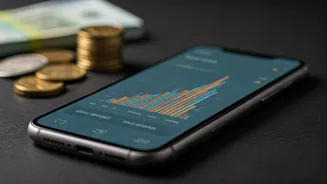
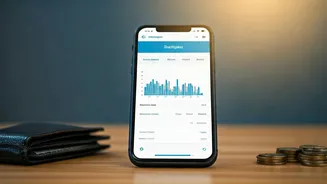
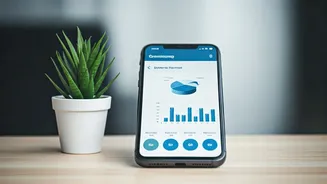
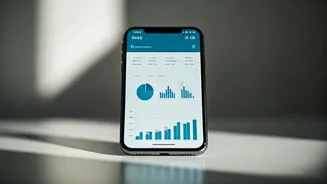
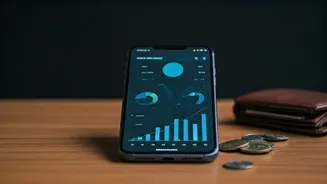
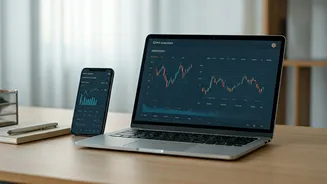
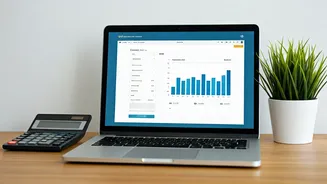
Seeing a long list of transactions isn’t very helpful on its own. The real power of these apps lies in how they present this data. Instead of a jumble of numbers, they provide clear, visual summaries like pie charts and bar graphs. At a glance, you can see that you spent 20% of your income on dining out or that your transport costs have been creeping up. This immediate, visual feedback creates a powerful sense of awareness. Psychologically, this helps reconnect you to your digital spending, reintroducing a sense of friction that was lost when we moved from physical cash to invisible electronic payments. This clarity allows you to spot patterns and identify areas where you can realistically cut back, turning vague financial anxiety into an actionable plan.
From Tracking to Goal-Setting
Awareness is the first step, but motivation is what keeps you going. Top-tier apps go beyond just tracking past expenses; they help you plan for the future. You can set specific savings goals, like a down payment for a car or a fund for your next vacation. The app will then show you how your daily spending habits are impacting your ability to reach those goals. Many provide alerts if you’re nearing a category’s budget limit or celebrate milestones as you get closer to your target. This transforms saving from an abstract concept into a tangible, measurable journey. It gamifies the process, providing the positive reinforcement needed to build and maintain a healthy savings habit over the long term.
Finding the Right Fit for You
With so many apps available, from all-in-one platforms like ET Money to SMS-based trackers like Axio (formerly Walnut) and visual budgeters like Spendee, choosing one can feel overwhelming. Don't focus on finding the single 'best' app on the market. Instead, think about your own habits. Do you want a fully automated system or do you prefer some manual control? Is your main goal to track spending, or do you also want to manage investments? The most effective app is the one that you will actually use consistently. Start with a simple one that automates tracking, and once you’ve built the habit of checking in, you can explore more advanced features.