






Why Your Fruit Basket Needs a Monsoon Makeover
The rainy season creates the perfect environment for bacteria and fungi to thrive. High humidity and moisture can cause fruits to spoil faster and become contaminated. Fruits with high water content can be particularly risky if not handled properly, and even
the simple act of washing them can introduce contaminants from the water supply. Furthermore, according to Ayurvedic principles, our digestive fire, or 'Agni', is naturally weaker during this season, making it harder to break down heavy or raw foods. Therefore, being selective about your fruit intake is a simple yet effective way to prevent common monsoon ailments like stomach infections, bloating, and indigestion.
Immunity Boosters: Pomegranate and Jamun
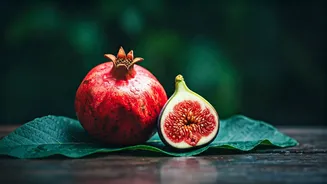
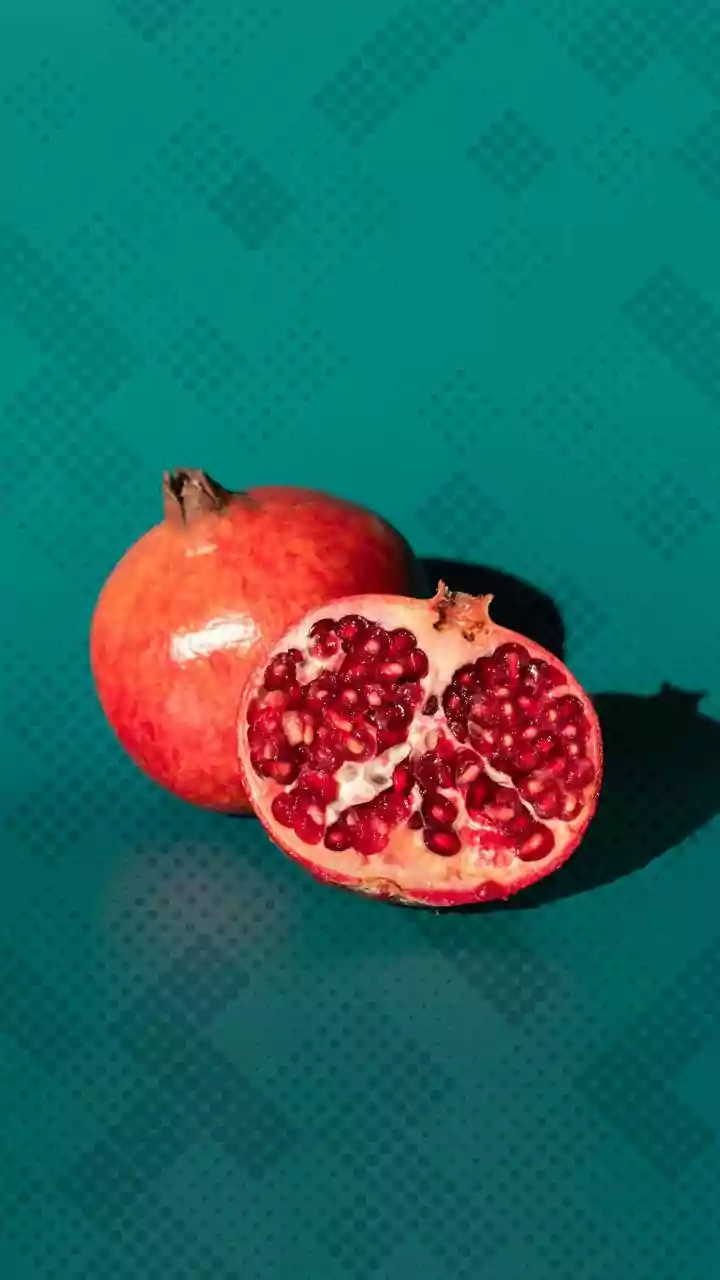
Pomegranate is a monsoon superstar. Its thick, protective skin shields it from contamination, while its jewel-like seeds are packed with antioxidants and vitamin C that boost immunity and aid digestion. Jamun, the quintessential Indian monsoon fruit, is another excellent choice. Also known as the Indian blackberry, it possesses antibacterial properties and is traditionally used to improve digestion and control blood sugar levels, making it both a delicious and therapeutic treat.
Gentle on the Gut: Pears and Apples
Both pears and apples are great additions to your monsoon diet. Pears are light, easy on the stomach, and rich in fibre, vitamin C, and potassium. They are hydrating without being overly watery, which is ideal for this season. Apples, packed with fibre and antioxidants, are excellent for promoting good digestion and strengthening your immune system. According to Ayurveda, light and astringent fruits like these are recommended in moderation during the monsoon as they are less likely to hamper the weakened digestive system.
Seasonal Delights: Plums, Litchis, and Cherries
Embrace the best of what the season has to offer with fruits like plums, litchis, and cherries. Plums are loaded with minerals and antioxidants that support overall health. Cherries, with their sweet-tart flavour, are another delightful rainy season fruit. Litchis, available in the early weeks of the monsoon, are rich in vitamin C and minerals that help the body fight off oxidative stress. However, for fruits like litchi with delicate skin, it's important to consume them fresh and wash them thoroughly to avoid any risk of spoilage or pests.
Caution Zone: Watermelon and Muskmelon
Fruits with very high water content, like watermelon and muskmelon, are best consumed with caution during the monsoon. While perfect for summer, their high moisture content makes them prone to rapid spoilage and bacterial growth in humid conditions. If consumed, they should be bought whole, cut fresh at home, and eaten immediately to minimise the risk of stomach infections or bloating.
Handle with Care: Berries and Grapes
Delicate fruits like strawberries and other berries are highly porous and can absorb moisture quickly, making them vulnerable to mould and contamination during the monsoon. Similarly, grapes grow in tight bunches that can be difficult to clean thoroughly, trapping pesticide residue and fungal spores, especially in humid weather. If you choose to eat these fruits, ensure they are washed meticulously and consumed as fresh as possible to avoid potential stomach upsets.
The Pre-Cut Fruit Risk
One of the biggest rules for the monsoon is to avoid pre-cut fruits, especially from street vendors. Once the protective skin of a fruit is broken, it becomes a breeding ground for germs, and this process is accelerated by the monsoon humidity. The water used for washing and the general hygiene standards can be uncertain, significantly increasing the risk of contracting water-borne illnesses like diarrhoea and food poisoning. Always opt for whole fruits that you can wash and cut yourself at home.