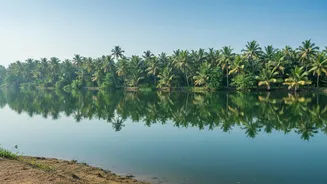







A New Green Deal for Tourists
Kerala's government is rolling out a comprehensive strategy to ensure its world-renowned destinations remain pristine. This isn't just about placing more dustbins; it's a fundamental shift in mindset. Under the banner of the state's Responsible Tourism
(RT) Mission, initiatives like the 'Clean Destination' campaign are being implemented across all 14 districts. This effort is part of the broader 'Malinya Muktham Nava Keralam' (Garbage-Free New Kerala) campaign, which aims to make the entire state waste-free. The plan involves transforming key tourist spots into designated 'Green Tourism Destinations', where sustainable waste management, hygiene, and environmental conservation are paramount. This means that when you visit places like Alappuzha beach or the eco-parks in Kannur, you are stepping into a zone committed to cleanliness.
Why the Change? Preserving Paradise
The boom in tourism, while economically beneficial, has put immense pressure on Kerala's fragile ecosystems. From the houseboats on Vembanad Lake to the misty hills of Munnar, the increase in footfall has led to a parallel rise in waste, particularly single-use plastics. Realising that unchecked tourism could tarnish the very beauty that draws visitors, the state is taking proactive steps. The Responsible Tourism Mission has previously executed successful clean-up drives, like the Clean Vembanad Initiative, which removed tonnes of plastic from the lake. These successes have paved the way for a more ambitious, state-wide policy that formalises the role of every stakeholder—including the tourists themselves—in environmental preservation. The goal is to move beyond temporary clean-ups to a sustainable, long-term model of tourism.
What This Means for Your Next Trip
So, what does this shared responsibility look like for a visitor? For now, the focus is on awareness and participation rather than penalties. Tourists will be encouraged to adopt simple, impactful habits. This includes carrying reusable water bottles to reduce plastic waste, as many hotels and houseboats now offer filtered water. You'll be advised to avoid single-use plastics and to properly dispose of any waste in designated collection points. The government is supporting this by installing infrastructure like CCTV cameras to monitor littering, reverse osmosis plants for clean water, and plastic shredding machines. Local bodies and task forces like the Haritha Karma Sena are being mobilised to manage waste scientifically in tourism zones. Essentially, visitors are being invited to become conscious travellers who actively contribute to the cleanliness of the places they enjoy.
Beyond a Clean-Up: A Vision for Responsible Travel
This cleanliness drive is a cornerstone of Kerala's larger vision for responsible tourism, which encompasses economic, social, and environmental pillars. The state is linking these green initiatives with community empowerment. The Kudumbashree mission, a women's self-help group, is a key partner, helping to manage the 'Clean Destination' campaign and ensuring that the benefits of tourism reach local communities. Furthermore, the state is also focusing on other aspects of responsible travel, such as promoting homestays that follow safety and hygiene standards and ensuring destinations are safe and accessible for all, including women and differently-abled travellers. By classifying hotels and resorts based on their sustainability practices, the tourism department is creating an ecosystem where being green is a recognized and rewarded standard. This holistic approach ensures that a trip to Kerala is not just a beautiful experience, but a positive force for the region.