




From Festivals to Fridays
Not long ago, ethnic wear was primarily reserved for weddings, festivals, and family functions. Today, that perception is rapidly changing. A significant driver is the shift in how younger generations, particularly Gen Z and millennials, view traditional
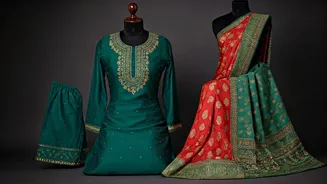
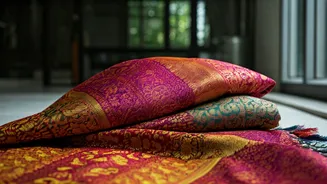
attire. For them, a kurta paired with jeans or a handloom saree worn with sneakers is a form of self-expression, blending cultural pride with personal style. [3, 9] This cohort is redefining ethnic wear, moving it from “aunty wear” to “drip,” and integrating it into their daily lives, from college campuses to corporate offices. [3] Brands are responding by creating dedicated workwear lines and versatile pieces, like those in Myntra's 'Indiework' store, which curates ethnic wear with a professional twist. [3] This shift is also about comfort and versatility; consumers want clothes that can transition from a work meeting to an evening out, and modern ethnic wear, with its focus on breathable fabrics and relaxed silhouettes, fits the bill perfectly. [9, 12]
The Digital Aisle
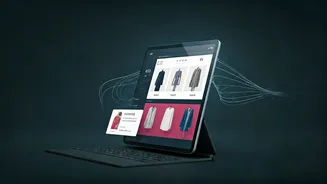
The second major force reshaping the ethnic wear landscape is digitalization. The rise of e-commerce has democratized fashion, making it accessible to a global audience. [14] Shoppers are no longer limited by geography; they can browse and buy from a vast catalogue of designs with a single click. [14] This has fuelled the growth of direct-to-consumer (D2C) brands like Suta, Bunaai, and trueBrowns, which have successfully built strong online communities. [6, 10] These digital-first brands can test trends faster, offer more variety, and connect directly with their customers, bypassing traditional retail models. [16] The Indian ethnic wear market, valued at over $19 billion in 2023, is projected to grow significantly, with the online channel being the fastest-growing segment. [13] This digital boom means a historically fragmented market is now becoming more organized and brand-driven. [25, 26]
The Influencer Effect
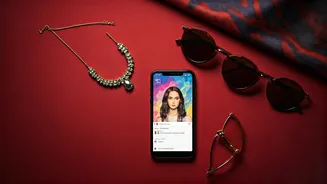
Social media platforms like Instagram and Pinterest have become virtual runways, transforming how trends are discovered and adopted. [2] Fashion influencers play a pivotal role in this ecosystem, acting as style ambassadors and bridging the gap between brands and consumers. [2, 7] They provide relatable styling inspiration, showing followers how to pair a traditional dupatta with a modern outfit or accessorize a simple kurta. [8] By showcasing ethnic wear in everyday, aspirational contexts, influencers normalize it for daily wear and encourage experimentation. [2, 21] This has been particularly effective in India, where consumers look for authenticity and relatability. [2] The success of influencer marketing has made it a core strategy for many fashion brands, with the market expected to grow exponentially. [18]
Redefining 'Traditional' Silhouettes
The very definition of ethnic wear is expanding. Designers are innovating with fusion styles that blend Indian craftsmanship with contemporary cuts. [19] Think waistcoat sets, spaghetti strap kurtas, pre-draped sarees, and kurta-dresses that offer the elegance of traditional wear without the complexity. [3, 8] This fusion appeals to younger consumers who value both heritage and modernity. [15] Gen Z, in particular, is known for its experimental approach, pairing sarees with crop tops and sneakers or kurtas with denim. [8, 9] Brands are catering to this demand by launching sub-brands focused on these younger, trend-conscious consumers, offering affordable, stylish, and versatile pieces. [12] The result is a vibrant new category of Indo-Western wear that is both rooted in tradition and effortlessly cool. [19]
A Tech-Tailored Future
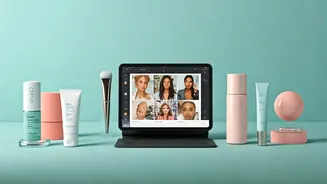
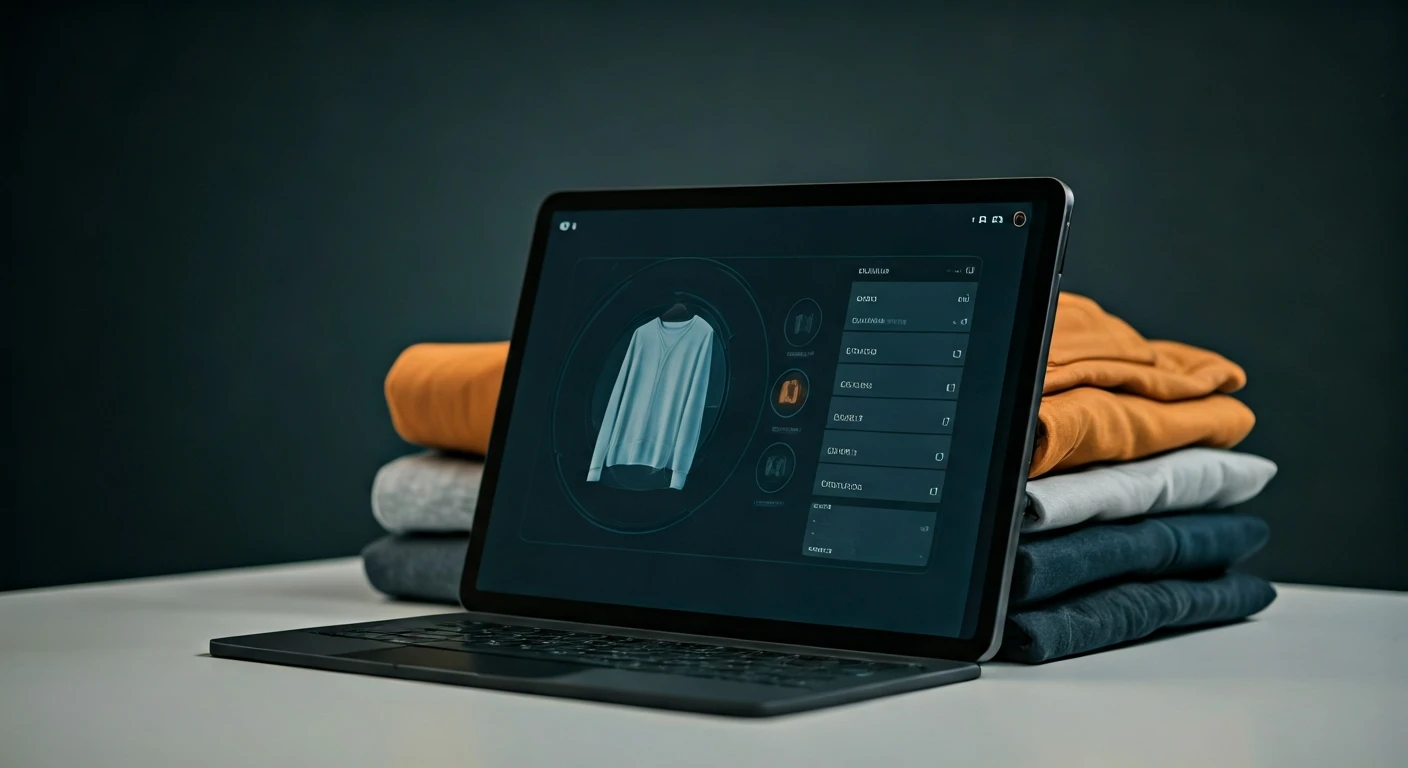
Technology's role extends beyond just e-commerce. Innovations like virtual try-on technology are helping to build consumer confidence in online purchases by simulating how a garment might fit. [14] AI-powered recommendations and personalized content are creating more engaging and tailored shopping experiences. [4] As the market continues to grow, sustainability is also becoming a key consideration, with a rising demand for organic fabrics, handloom products, and ethically produced garments, a trend amplified by digital platforms that allow for greater transparency. [5, 9, 14] The future of ethnic wear will likely see a deeper integration of technology, from supply chain management to customer experience, further cementing its place in the modern Indian wardrobe.