






Lauki (Bottle Gourd)
Often overlooked, the humble lauki is a seasonal superstar, especially during the hot summer and humid monsoon months. Composed of over 90% water, it's incredibly hydrating and exceptionally easy on the digestive system. Its cooling properties make it a traditional
favourite for beating the heat. Rich in fibre, it aids in digestion and helps maintain a healthy gut. It’s also low in calories and packed with essential minerals like calcium, magnesium, and zinc. How to enjoy it: Don't just think of it as 'sick person food'! Grate it into the dough for soft, nutritious chapatis or parathas. Cook it with chana dal for a protein-packed, flavourful curry. For a modern twist, blend it into a refreshing soup or even a smoothie. And of course, the classic lauki ki sabzi, with a hint of cumin and turmeric, remains a comforting staple.
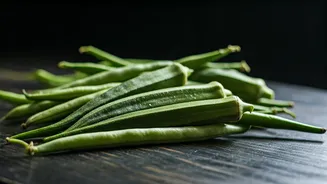
Bhindi (Okra/Lady's Finger)
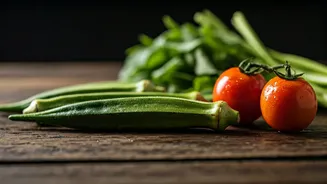
A favourite across Indian households, bhindi is at its best when it's fresh, tender, and seasonal. This versatile vegetable is a fantastic source of dietary fibre, which helps regulate blood sugar and promotes a feeling of fullness, aiding in weight management. It's also loaded with Vitamin C, an antioxidant that boosts your immune system, and Vitamin K, which is vital for bone health. The soluble fibre in okra can also contribute to lowering cholesterol levels. How to enjoy it: To avoid the slime, ensure the bhindi is completely dry before you chop it. For a crowd-pleasing dish, try Kurkuri Bhindi—thinly sliced okra, tossed in spices and air-fried or shallow-fried until crispy. A simple Bhindi Masala, sautéed with onions, tomatoes, and everyday spices, is a quick and delicious way to get it on your plate.
Turai (Ridge Gourd)
Another gourd that shines during the Indian monsoon is turai. Like lauki, it has a high water content and is light on the stomach. What makes it special is its impressive fibre content, which works wonders for keeping the digestive tract clean and preventing constipation. It's a low-calorie vegetable that is also a good source of Vitamin C and iron. In traditional Ayurvedic practices, turai is valued for its blood-purifying properties. How to enjoy it: The key is to peel the hard ridges but leave the tender green skin on. It cooks beautifully in a simple stir-fry with some mustard seeds and turmeric. Turai Posto, a Bengali delicacy made with a poppy seed paste, is a must-try. You can also cook it with moong dal for a hearty and wholesome dish that pairs perfectly with rice.
Palak (Spinach)
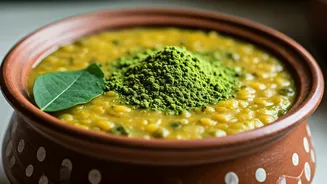
While available year-round, fresh, tender palak during the cooler months is a treat. This leafy green is a nutritional powerhouse, famous for its high iron content, which is crucial for preventing anaemia and boosting energy levels. It’s also packed with Vitamins A, C, and K, along with antioxidants that fight inflammation and support overall health. Eating spinach regularly can contribute to better eye health, reduced blood pressure, and a stronger immune system. How to enjoy it: The possibilities are endless. The classic Palak Paneer is a national treasure for a reason. For a simpler meal, Dal Palak combines lentils and spinach into a nutritious one-pot meal. You can also blend it into smoothies, add it to omelettes, or make a simple Palak Sabzi with garlic and cumin.
Arbi (Colocasia/Taro Root)
This starchy root vegetable, often enjoyed during fasting periods, is an excellent seasonal carb. Arbi is a great source of resistant starch and fibre, which aids digestion and helps feed the good bacteria in your gut. It provides sustained energy, unlike simple carbs that cause a quick sugar spike. Rich in potassium, it's good for maintaining healthy blood pressure, and it also contains a healthy dose of Vitamin C. How to enjoy it: It is essential to cook arbi thoroughly to break down compounds that can cause irritation. A popular method is to boil it first, then peel and pan-fry it with ajwain (carom seeds) and other spices to make a crispy Arbi Fry. It can also be cooked into a delicious, tangy curry that goes well with rotis.