






The Unseen Influence of the Forecast
We often think of our food choices as personal decisions driven by taste or hunger. But a growing body of evidence shows that the weather has a predictable and measurable impact on what we choose to eat, especially when it comes to snacks. Beyond the obvious
spike in ice cream sales during a heatwave, the connection is far more nuanced. Day-to-day changes in temperature, precipitation, and even sunlight can shift consumer demand for specific types of packaged goods. This isn't a minor blip; by some estimates, weather directly influences a significant slice of all retail sales, affecting everything from beverages to baked goods.
The Psychology of a Gloomy Day
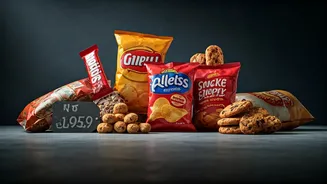
When it's cold, rainy, or dark, many people find themselves reaching for 'comfort foods'. This is more than just a habit; it's rooted in our biology and psychology. Shorter days and less sunlight can lead to lower levels of serotonin, the hormone that helps regulate mood. Carbohydrate-rich snacks can provide a temporary boost in serotonin production, making us feel happier and more relaxed. This explains why salty, crunchy, and carb-heavy snacks like potato chips, pretzels, and cookies seem especially appealing during a monsoon downpour or a chilly winter evening. The very act of eating these foods can also be tied to nostalgia and feelings of safety, reminding us of childhood or moments when we felt cared for.
Sunshine, Socializing, and Snack Choices
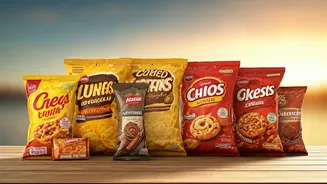
Just as gloomy weather pushes us toward comfort, sunny skies trigger a completely different set of cravings. Warm, sunny weather is often associated with outdoor activities, social gatherings, and a general lift in mood. This translates to increased sales of snacks suitable for picnics and barbecues—think shareable bags of chips, dips, and crackers. Exposure to sunlight has been shown to increase consumers' willingness to spend and can shift preferences towards lighter, more refreshing options. While indulgent treats are still popular, there's also a noticeable turn towards things like fresh fruit, salads, and chilled beverages as people look for ways to cool down.
The Business of Predicting Cravings
This link between weather and snacking isn't just a fun piece of trivia; it's a critical piece of data for the retail and food industries. Companies are increasingly using sophisticated weather analytics to forecast demand, manage inventory, and even tailor marketing campaigns. By correlating historical sales data with weather patterns, retailers can predict with surprising accuracy what customers will want to buy. This allows them to ensure soup and oatmeal are stocked before a cold snap, or that extra fizzy drinks are on the shelves during an unexpected warm spell. This proactive approach not only boosts sales but also helps reduce food waste by preventing overstocking of items that are less likely to sell.
Beyond Rain or Shine
The influence of weather goes beyond simple temperature changes. Humidity can make people crave crunchy foods that contrast with the damp atmosphere, while a sudden drop in barometric pressure might trigger cravings in some individuals. Even the forecast of a storm can send people to the stores in a wave of 'panic buying', stocking up on essentials and non-essentials alike to feel a sense of control in an uncontrollable situation. This behavior, often centered around familiar comfort items, shows how deeply our sense of security is tied to having the right snacks on hand. As weather patterns become more volatile, understanding these subtle psychological triggers will become even more crucial for both consumers and the companies that serve them.