










The Tyranny of the Algorithm
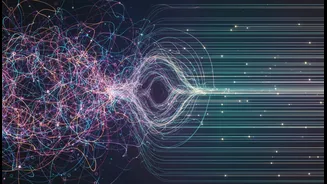
On major social media platforms, what you see isn’t a simple reflection of the accounts you follow. Instead, a powerful and invisible force is at play: the algorithm. These complex systems are designed to maximize one thing: engagement. They track every
like, share, comment, and even how long you pause on a post. Using this data, they curate a feed they believe will keep you scrolling, serving you content most likely to provoke a reaction. The result is often a 'filter bubble' or 'echo chamber', where you're primarily shown content that reinforces your existing beliefs. This can limit exposure to diverse perspectives and lead to a sense of losing control over your own information diet.
A Return to Simplicity
An algorithm-free feed, often called a chronological feed, is a return to the early days of social media. The concept is simple: posts from accounts you follow appear in the order they were published. There is no secret formula ranking content based on potential virality or engagement. This model is seeing a resurgence on newer, decentralized platforms like Mastodon and Bluesky, which are built around user control. Even some established platforms, like Threads, now offer a chronological option, though it is often not the default. The appeal lies in its transparency and predictability, offering a straightforward timeline of updates rather than a curated selection.
Reclaiming Your News Diet
For news discovery, the difference is profound. Engagement-based algorithms often amplify sensational, emotionally charged, or polarizing content because it generates more reactions. This can redefine 'newsworthiness' as 'shareworthiness', pushing substantive journalism aside in favour of viral hits. A chronological feed puts the user back in the editor's chair. By following specific journalists, publications, and trusted sources directly, you see their reports as they are published, without an algorithm deciding what's important. This can reduce the noise of misinformation and give more prominence to credible, local, or niche reporting that might otherwise be buried.
Discovering Authentic Communities
Algorithms are also designed to recommend groups and communities. While this can sometimes help you find new interests, it often pushes you towards large, mainstream groups. Algorithm-free platforms, particularly decentralized ones like Mastodon, foster a different kind of community building. Users actively seek out 'instances' or servers based on specific interests, from hobbies and professions to cultural affiliations. This creates spaces for more authentic, self-governed communities to thrive, built on shared values rather than what an algorithm predicts will hold your attention. Projects like Blacksky on the Bluesky platform show how communities can build their own spaces with their own rules, free from top-down corporate control.
Not a Perfect Solution
Despite the benefits, the chronological approach has its own challenges. Without an algorithm to filter content, a feed can quickly become a 'firehose' of information, making it difficult to keep up if you follow many active accounts. Critics argue that purely chronological feeds reward those who post most frequently, not necessarily those with the highest quality content. Furthermore, some research suggests that users, despite complaining about algorithms, may actually spend less time on platforms with chronological feeds, finding them less engaging. These newer platforms also face hurdles in user experience and making it easy for non-technical users to join and find their footing.