


The Quest for Authenticity
The modern traveller is driven by a desire for connection and authenticity, and there's no better way to find it than through food. Recent travel trends for 2026 show a significant shift away from prestige dining toward more interactive and personal culinary
experiences. According to one report, 64% of travellers prefer unique, local experiences over fine dining. This isn't just about what's on the plate; it's about the story behind it, the hands that prepared it, and the culture it represents. This shift is fuelled by a desire to understand a place from the inside out, moving from being a mere observer to an active participant in its daily life. Travellers are finding that the true taste of a region lies in its everyday flavours, which often say more about a culture than a Michelin-starred menu ever could.
Rolling Up Your Sleeves in a Local Kitchen
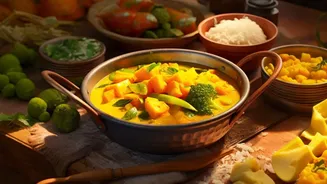
One of the most popular ways to dive into a food culture is by taking a cooking class. The interest in these hands-on sessions has surged, with some data suggesting that about half of all food-focused travellers now participate in a cooking class during their trips. These classes, often hosted in a local's home or a small, dedicated school, offer more than just a recipe. They provide a genuine glimpse into daily life and traditions. From learning to make pierogis in Poland to rolling pasta in a Tuscan farmhouse, these experiences create a lasting connection to a place's culinary heritage, allowing travellers to bring a piece of their journey home with them. Platforms connecting travellers with home cooks around the world make these immersive experiences more accessible than ever, offering everything from Bengali cuisine in Kolkata to Balinese cooking on an organic farm.
From the Farm to Your Fork
Agritourism is booming as travellers seek to understand where their food comes from. This involves visiting farms, orchards, and vineyards to see the source of local produce firsthand. In India, farm-to-table experiences are rapidly gaining momentum, with eco-friendly farm stays offering everything from heritage cooking workshops in Kerala to understanding seasonal produce in Goa. These stays are no longer just about a rustic bed for the night; they are hands-on learning opportunities. Travellers can participate in the harvest, learn about organic farming, or enjoy meals made with ingredients picked just hours before. This trend connects visitors directly with farmers and producers, fostering a deeper appreciation for the food and supporting local, sustainable economies.
Exploring the Heartbeat of the City: Markets and Street Food
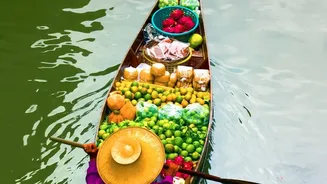
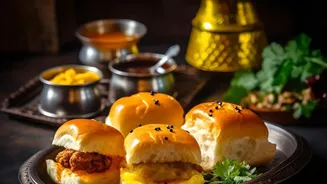
Long before ingredients reach a restaurant, they pass through the local market—the true soul of a city’s food scene. For many travellers, a visit to a bustling market is non-negotiable. It’s an opportunity to see, smell, and taste what’s in season while observing the daily rhythms of local life. Guided food tours often centre on these vibrant hubs, introducing visitors to regional specialties and street food stalls they might otherwise miss. According to a 2026 travel study, 66% of travellers are most excited about trying street food, seeing it as a direct line to a destination's authentic culture. Even simply browsing the aisles of a local grocery store has become a popular way to feel less like a tourist and more like a local.
The Ultimate Connection: Dining in a Local's Home
Perhaps the most intimate culinary experience a traveller can have is sharing a meal in someone's home. Breaking bread with a local family moves beyond tourism and into the realm of genuine human connection. This trend, facilitated by platforms that connect hosts with guests, offers a unique window into home cooking and family traditions that are invisible from a restaurant table. It's an opportunity to swap stories, learn about family recipes passed down through generations, and experience hospitality in its purest form. These meals are not about professional service but about shared moments and cultural exchange, creating memories that last far longer than the taste of the food itself.