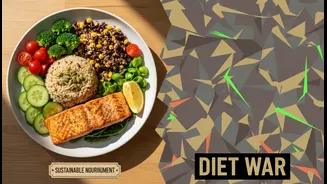

The Siren Call of Quick Results
Trending diets, from keto to juice cleanses, are masters of marketing. They offer clear rules, a sense of control, and, most importantly, the promise of fast transformation. This can be incredibly tempting in a culture of instant gratification. The initial
weight loss, which is often due to shedding water weight rather than fat, can feel like a major victory and reinforce the belief that the restrictive plan is working. These diets succeed initially because they often eliminate highly processed, calorie-dense foods, leading to a temporary reduction in inflammation and more stable blood sugar. For a short time, the structure can feel empowering, but this rigid approach often comes with a hidden cost.
The Crash: Why Fad Diets Often Fail
The very rigidity that makes fad diets appealing is also their primary weakness. Eliminating entire food groups can lead to nutrient deficiencies, fatigue, and weakened immunity. More significantly, this restrictive mindset can take a toll on mental health. The constant self-monitoring, guilt over slipping up, and preoccupation with food can increase stress and anxiety. This can lead to a frustrating cycle of weight loss and regain, often called "yo-yo dieting," which can harm your metabolism and self-esteem. Research has found associations between frequent dieting and higher depressive symptoms, as the brain protests being under-fueled. The problem isn't a lack of willpower; it's that the approach is fundamentally unsustainable for most people.
The Sustainable Shift: A Different Approach
So, what’s the alternative? Sustainable eating isn't a diet; it’s a mindset focused on building healthy habits that last a lifetime. It prioritizes balance, variety, and nourishment over restriction. This approach emphasizes whole, minimally processed foods like fruits, vegetables, lean proteins, and whole grains that provide the essential nutrients your body needs to thrive. A sustainable approach is flexible, allowing for occasional indulgences without the guilt, which makes it more enjoyable and easier to maintain long-term. This leads to more stable weight management, improved energy levels, and a reduced risk of chronic diseases. It’s about creating a positive relationship with food, where you focus on what you can add to your plate, not just what you need to remove.
How to Build Your Sustainable Habits
Transitioning to a more sustainable way of eating doesn't require a dramatic overhaul. It's about making small, consistent changes. Start by focusing on one thing at a time, like adding one more vegetable to your dinner or swapping a sugary drink for water. Practice mindful eating by putting away distractions and paying attention to your body's hunger and fullness cues. Planning meals can help you make intentional choices and reduce food waste. Another key aspect is reframing your inner monologue; instead of thinking "I can't eat that," try "That's not the fuel I want for my body right now." These small steps, when practiced consistently, build a strong foundation for long-term health without the mental and physical strain of dieting.