



For decades, bringing a piece of Mars to Earth has been a top goal for planetary scientists. But after the plan's cost soared past $11 billion, NASA has hit the reset button, asking for a faster, cheaper, and smarter way to do it.
The Original, Ambitious Blueprint
The Mars Sample Return
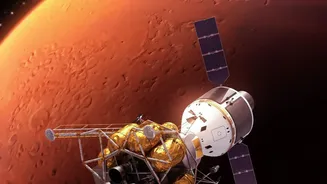
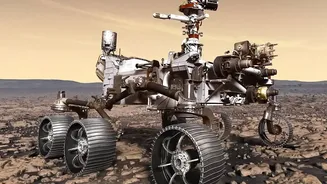
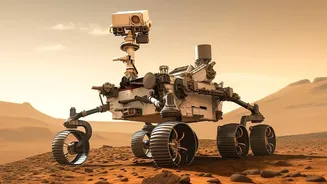
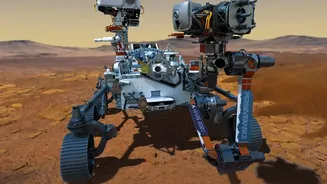
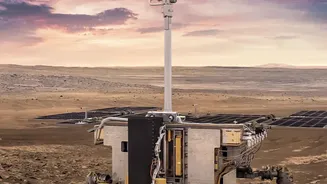
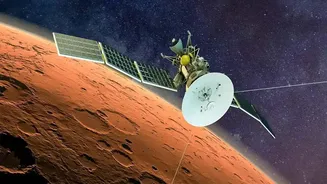
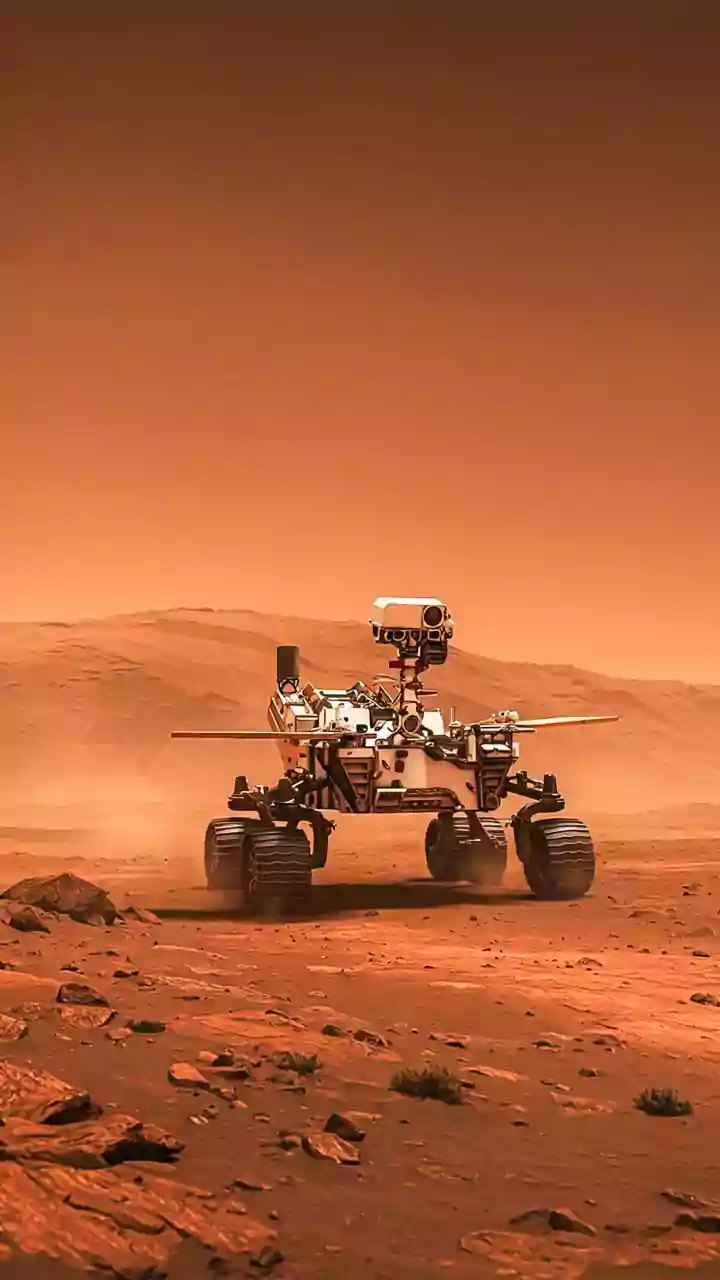
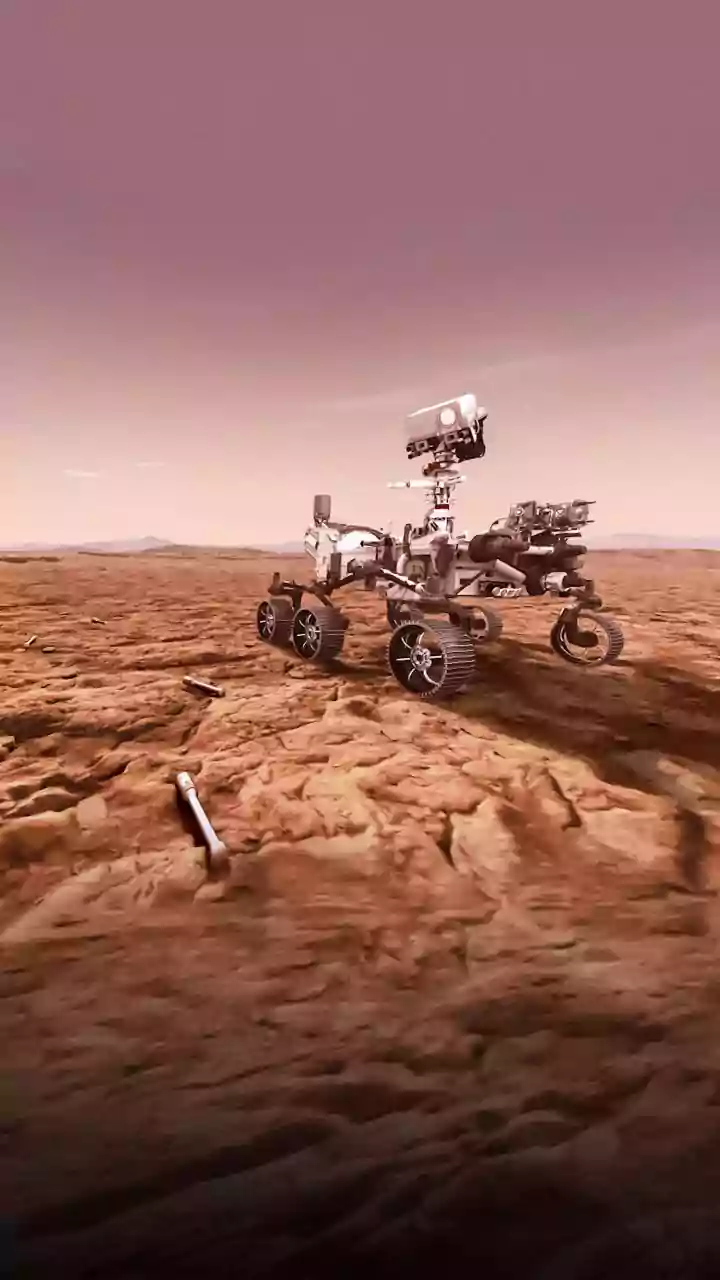
(MSR) campaign has been a long-term goal for both NASA and its partner, the European Space Agency (ESA). The initial multi-stage plan was a marvel of complexity. First, the Perseverance rover, which has been on Mars since 2021, would collect scientifically compelling rock and soil samples. Next, a separate Sample Retrieval Lander would touch down, carrying a small rocket called the Mars Ascent Vehicle (MAV). Perseverance would deliver its cached samples to the lander, the MAV would launch them into Mars orbit—a first for any rocket—and finally, an ESA-built Earth Return Orbiter would capture the orbiting container and fly it back to Earth. It was a grand, multi-spacecraft relay race across millions of miles.
When Ambition Meets Reality
The mission's complexity soon led to major problems. An independent review board concluded in late 2023 that the original plan had 'unrealistic budget and schedule expectations from the beginning'. The board found a near-zero probability of meeting the planned 2028 launch date. Worse, the projected cost had ballooned from an initial estimate of around $5.3 billion to a staggering $11 billion. The return date for the samples slipped to 2040. NASA Administrator Bill Nelson stated plainly that the new price tag was 'too expensive' and the 2040 arrival date was 'unacceptably too long'. With the mission threatening to 'cannibalize' funding from other key science projects, it was clear the existing plan was no longer viable.
NASA's New Call to Action
In response, NASA has pivoted. Instead of sticking with the troubled architecture, the agency has launched a new initiative to find a leaner, more affordable approach. This 'new push' involves formally soliciting proposals from NASA centers, the Jet Propulsion Laboratory, and commercial space companies for fresh ideas. The goal is to find a design that can return the samples in the 2030s for a more manageable cost. This new effort is being called the Perseverance Sample Retrieval Architecture (PSRA), with a strategy team set to kick off its work in January 2027 and deliver recommendations within about a year. It represents a fundamental rethink of the mission, prioritizing innovation and efficiency to save one of the agency's highest-priority science goals.
The Stakes of the Mission
The reason NASA is fighting so hard to salvage this mission is the immense scientific prize at stake. The samples collected by Perseverance in Jezero Crater—an ancient lakebed—are believed to be the best chance to find potential signs of ancient microbial life. Studying these rocks on Earth with the most advanced instruments available would revolutionize our understanding of Mars. Scientists could determine the precise age of the rocks, learn when water flowed on the planet, and uncover the history of its climate evolution in ways no rover could do alone. Furthermore, analyzing Martian dust and soil is crucial for ensuring astronaut safety on future human missions by identifying potential hazards.
A New Space Race?
Adding a layer of urgency is the progress of other nations. China is moving forward with its own ambitious Mars sample return mission, Tianwen-3. Current plans show a potential 2028 launch, with the goal of returning around 500 grams of Martian material to Earth as early as 2031. This timeline puts pressure on NASA to accelerate its own efforts. While NASA has emphasized the scientific rigor of its sample selection process, the prospect of being second to bring back pieces of Mars adds a competitive dynamic to the agency's strategic reset. The new push is not just about saving a mission; it's about maintaining leadership in a new era of planetary exploration.