



The New Age of the Indian Road Trip
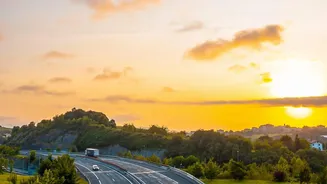
The great Indian road trip is back, and it looks different this time. It’s more spontaneous, often shorter, and increasingly powered by travellers from cities like Lucknow, Indore, Jaipur, and Kochi. This isn't just about the annual family vacation; it's
a fundamental shift towards weekend getaways and experiential journeys by car. Recent travel data shows that while major arteries like Mumbai-Pune and Delhi-Agra are still the busiest, the fastest-growing corridors are those connecting Tier-2 cities to each other and to nearby leisure destinations. Routes such as Ahmedabad-Vadodara, Indore-Ujjain, and Kanpur-Lucknow are seeing explosive growth, signalling that the heart of India's travel boom now beats in its smaller urban centres.
Why Tier-2 Is in the Driver's Seat
Several powerful forces are fuelling this trend. First and foremost is infrastructure. The rapid expansion of India's national highway network has been a game-changer, making driving between cities safer and faster than ever before. New expressways are turning what were once daunting journeys into manageable weekend trips. This is coupled with rising disposable incomes and aspirations in non-metro areas. Travel platforms report a significant jump in bookings from Tier-2 and Tier-3 cities, with some seeing a 30% increase in self-drive rentals alone. Furthermore, the rise of remote and hybrid work has untethered many from the office, making 'workations' and longer stays in scenic, less-crowded locations a viable option.
From Spiritual Journeys to Weekend Escapes
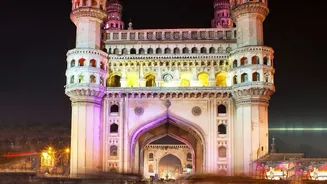
The destinations of choice reflect a diverse range of interests. Short-haul religious tourism is a major driver, with travellers from cities like Hyderabad frequently booking round trips to places like Yadagirigutta. Heritage and cultural sites such as Agra, Mysuru, Ajmer, and Udaipur remain consistently popular for road-trippers. But there is also a clear trend towards leisure and relaxation. Coastal towns like Puducherry and hill stations like Dehradun are major draws for those seeking a quick escape from city life. The pattern is clear: travellers are exploring destinations within a few hours' drive, prioritising convenience and experience over long-haul travel. This 'micro-tourism' trend focuses on discovering nearby gems, often in less-crowded environments than the major tourist magnets.
A Reshaped Tourism Economy
This shift is not just changing how Indians travel; it's reshaping the country's entire domestic tourism economy. The surge in road travel from Tier-2 cities is creating new economic opportunities in previously overlooked regions. Local businesses, from homestays and boutique hotels to restaurants and craft markets, are seeing a significant increase in footfall as new tourist corridors emerge. It represents a democratisation of travel, where aspirations are no longer confined to metropolitan residents. This growth from India's heartland is fostering a more resilient and distributed tourism model, proving that the future of travel in the country is on the open road, starting from the driveway of a home in a Tier-2 city.