




The Hearty Feasts of North India
In North India, Navratri fasting menus are robust and built to provide energy. The core ingredients include flours like kuttu ka atta (buckwheat flour), singhare ka atta (water chestnut flour), and rajgira (amaranth). These are used to make staples like Kuttu
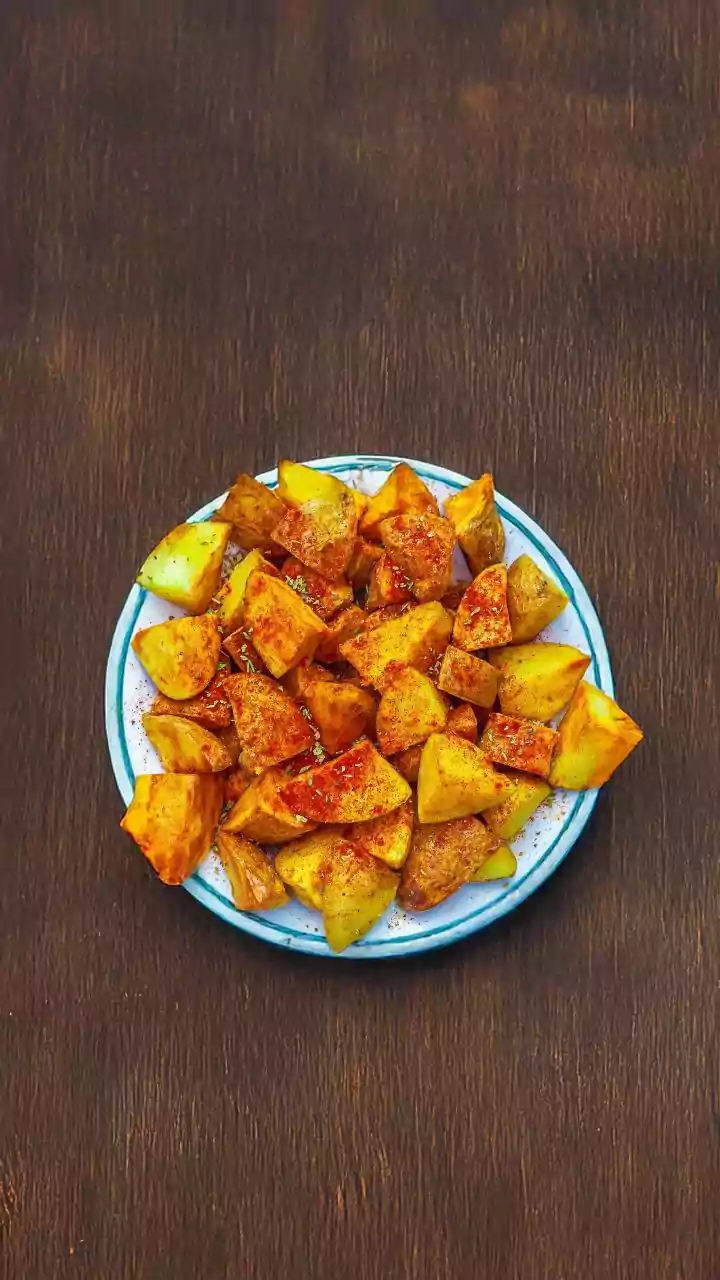
ki Poori, crispy deep-fried breads that are often paired with a simple but flavourful potato curry, Vrat Wale Aloo, cooked without onion or garlic and seasoned with rock salt (sendha namak). Another popular dish is Samak Pulao, made from barnyard millet, which serves as a rice substitute. Dairy products like paneer and yogurt play a significant role, appearing in dishes like paneer rolls or as a cooling raita to balance the fried foods. The emphasis is on warm, hearty meals that sustain devotees through the nine days.
The Western Wonders of Sabudana
Travel to Western India, particularly Maharashtra and Gujarat, and you'll find sabudana (tapioca pearls) reigning supreme. Sabudana Khichdi is a quintessential Navratri dish, a delightful mix of soaked tapioca pearls, roasted peanuts, potatoes, and mild spices. It provides a quick energy boost due to its high carbohydrate content. Another favourite snack is the Sabudana Vada, a crispy, deep-fried patty made from a similar mixture. In Gujarat, you might also find farali handvo, a savoury cake made from barnyard millet (samo) and vegetables. Maharashtra offers its own unique pancake, the upvas thalipeeth, made from a mix of fasting flours like rajgira. These dishes showcase a creative use of textures, from the chewy pearls of sabudana to the crunchy peanuts that are a frequent addition.
The Simple and Sattvic South
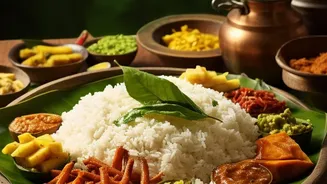
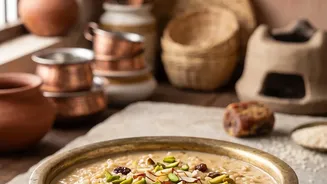
In South India, especially Tamil Nadu, Karnataka, and Andhra Pradesh, the approach to Navratri food is different. While fasting is observed, it's often less strict about grains compared to the North. The highlight of the celebration is the Golu, a festive display of dolls. A key prasadam (offering) prepared daily is Sundal, a simple and protein-rich dish made from different legumes like chickpeas or chana dal, tempered with mustard seeds, curry leaves, and grated coconut. Sweets also play a major role. Payasam, a creamy pudding made with milk, sugar or jaggery, and sometimes rice or vermicelli, is a common delicacy offered to guests. The focus is on fresh, light, and sattvic preparations, with an emphasis on fruits, coconut, and jaggery, reflecting the region's agricultural bounty.
The Unique Flavours of the East
In Eastern India, particularly West Bengal, the nine days of Navratri coincide with the grand festival of Durga Puja. Here, the fasting rules and culinary traditions can differ significantly from the rest of the country. While many devotees observe a strict vegetarian diet, the celebration for the broader community is a feast. Traditional Bengali fasting dishes might include staples like luchi (a fluffy, deep-fried bread made from maida) paired with a simple potato curry. However, for many, the festival is a time to indulge, and a wide variety of both vegetarian and non-vegetarian delicacies are enjoyed, especially during the last five days of the festival. This makes the Eastern celebration a unique contrast to the grain-free fasts observed in other parts of India.