





An Answer to the Heat
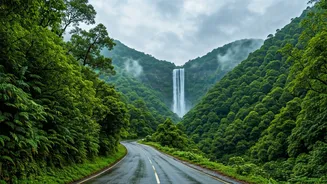
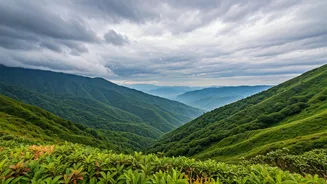
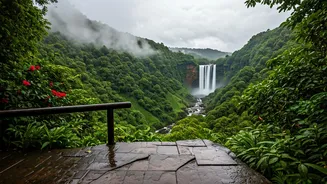
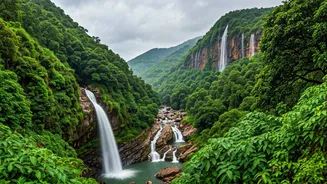
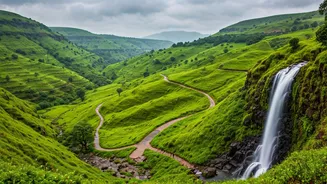
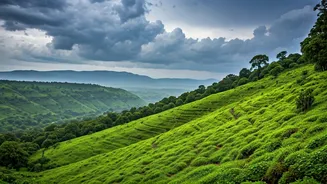
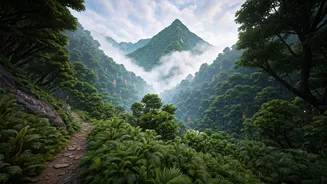
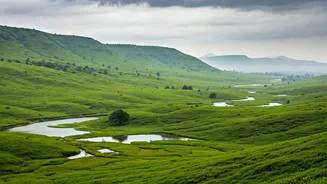
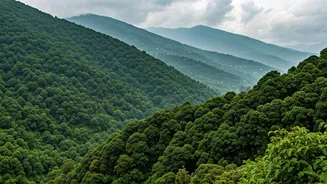
After months of scorching summer, the first drops of monsoon rain are a profound relief across Gujarat. The transformation is immediate and dramatic. Barren hills and dusty plains suddenly erupt in a carpet of emerald green. Rivers that were mere trickles
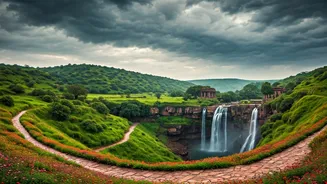
swell into powerful currents, and waterfalls like the magnificent Gira and Girmal begin to roar back to life. This annual renewal is not just a visual spectacle; it is the lifeblood of the region, replenishing the land and the spirits of its people. The arrival of the rains signals a time of abundance, fertility, and celebration, a sentiment deeply woven into the cultural fabric of India.
Saputara’s Festival of Clouds
At the heart of this celebration is Gujarat's only hill station, Saputara. Nestled in the Sahyadri range, this town becomes the epicentre of the state-sponsored Saputara Monsoon Festival, also known as Megh Malhar Parv, which translates to 'Festival of Clouds and Rain'. Typically held from late July through August, this month-long event is Gujarat Tourism's tribute to the season. The entire town, especially the area around the picturesque Saputara Lake, is adorned with decorations, transforming into a hub of activity that draws visitors from across the country. The festival celebrates the unique beauty of Saputara when it is shrouded in mist and its valleys are lush and vibrant.
A Carnival of Culture and Colour
The festival is a feast for the senses, kicking off with a grand cultural parade showcasing performers from Gujarat and other states under the theme of “Ek Bharat Shreshtha Bharat” (One India, Great India). Visitors can immerse themselves in a wide array of activities, including traditional folk dance performances like the Dangi tribal dance, live music concerts, and workshops for Warli painting and bamboo crafts. For the more adventurous, there are organised treks, boat races on the lake, and even a 'Rain Run Marathon'. Food stalls offer delicious local and tribal cuisine, while artisan markets display handmade crafts, making it a comprehensive cultural experience.
More Than a Tourist Event
While the festival is a major tourist attraction, its significance runs much deeper. It provides a platform for the local tribal communities of the Dang region, such as the Kunbis, Bhils, and Warlis, to showcase their rich cultural heritage. Through music, dance, and art, the festival helps preserve and promote these unique traditions. It is a celebration rooted in the community's profound connection to nature and the life-giving properties of the monsoon. Events like the Tribal Food Festival and exhibitions of traditional skills highlight an indigenous way of life that has always moved in rhythm with the seasons.
Gujarat’s Green Transformation
The festival in Saputara is the focal point, but the monsoon's magic touches the entire state. Beyond the hill station, places like the Polo Forest, with its ancient ruins draped in fresh green, and the Don Hill Station offer serene escapes. The landscape becomes a playground for nature lovers, with numerous trekking trails and picnic spots emerging. The transformation is a powerful reminder of nature's resilience and its central role in the cultural and spiritual life of Gujarat. The festival is not just about observing the beauty but actively participating in the joy and gratitude that the monsoon brings, making the entire state feel lush and alive once more.