





Choosing Your Pots and Soil
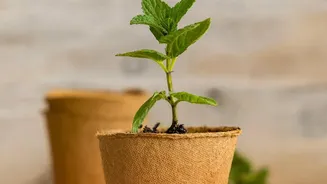
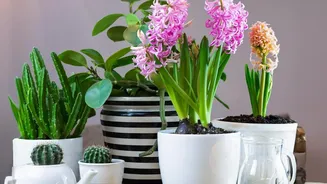
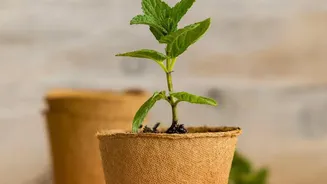
The foundation for a healthy windowsill garden is the right container and soil. For herbs like Tulsi, Mint (Pudina), and Coriander (Dhania), choose pots that are at least 6-8 inches deep to give roots room to grow. The most crucial feature is drainage
holes at the bottom to prevent waterlogging, which is the fastest way to kill herbs. Terracotta pots are a great choice as they are porous and help soil breathe. When it comes to soil, avoid using heavy garden soil, which compacts easily in pots and can choke roots. Instead, opt for a light, fluffy potting mix from a nursery. These mixes are specifically designed for containers, ensuring good drainage and aeration. For even better results, you can mix in some perlite to further improve drainage.
Planting Tulsi (Holy Basil)
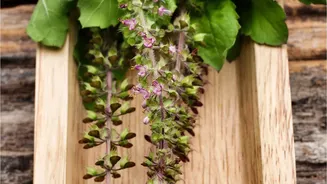
Tulsi is treasured in Indian households and, with the right care, can thrive indoors through winter. This plant loves sunlight, so a south-facing windowsill where it can receive at least 4-6 hours of light is ideal. You can grow Tulsi from seeds or a cutting. To plant seeds, sprinkle them on the surface of your moist potting mix and gently press them down, covering them with a very thin layer of soil. Keep the soil consistently moist but not soggy until germination. One of the biggest mistakes with indoor Tulsi is overwatering, especially in winter when evaporation is slower. Always check if the top inch of soil is dry before watering again. Bringing your plant indoors before the first frost is key to helping it survive the cold months.
Growing Mint (Pudina)
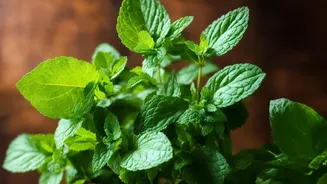
Mint is famously easy to grow, making it perfect for beginners. Its vigorous nature means it's best grown in a container to keep it from taking over. Mint is more tolerant of partial sun than Tulsi, but it will be fuller and more aromatic with ample light. The easiest way to start a mint plant is from a cutting, which you can even get from a fresh bunch bought at the market. Simply place a few stems in a glass of water; they will sprout roots within a week or two, after which you can plant them in a pot. Mint prefers its soil to be consistently moist. While it can tolerate 'wet feet' better than other herbs, good drainage is still recommended. You can keep harvesting mint through winter by keeping it on a sunny windowsill.
Cultivating Coriander (Dhania)
Having fresh Dhania on hand is a kitchen game-changer. Coriander is best grown from seed directly in the pot where it will live, as it doesn't like its roots being disturbed. You can even use whole coriander seeds from your spice box, gently splitting them into two halves before sowing. Plant the seeds about a quarter-inch deep in moist soil. Coriander enjoys cooler weather, which makes a winter windowsill an excellent spot. It needs at least 4-6 hours of sun. The plant will be ready for its first harvest of leaves (cilantro) in about four to six weeks. A key to a continuous supply is succession planting—sowing a new batch of seeds every few weeks—as the plant's life cycle is relatively short before it 'bolts' or flowers.
Essential Winter Care and Harvesting
Winter brings shorter days and weaker sunlight, so light is your most important resource. Place all your herbs in the brightest spot you have, typically a south-facing window. Rotate the pots every few days so all sides get some sun. Water requirements also change in winter; with less heat and light, plants grow slower and use less water. Always check the soil before watering to avoid root rot. When it's time to harvest, do so regularly to encourage bushier growth. For Tulsi and Mint, pinch off the top sets of leaves. For Coriander, snip the outer leaves first, allowing the centre of the plant to keep producing new growth. Regular harvesting not only gives you fresh ingredients but also keeps your plants healthy and productive.