




What 'Editing' Your Garden Really Means
In the world of gardening, 'editing' is a thoughtful process of curation. It’s not about ruthless removal, but about making conscious choices to create a more cohesive, healthy, and beautiful space. Just as a writer edits a draft to make it stronger,
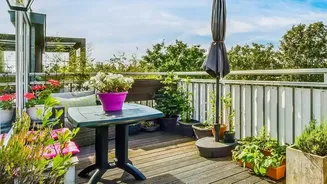
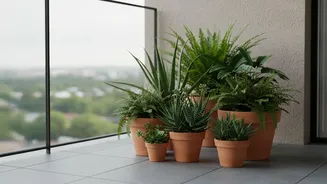
a gardener edits their collection to enhance its impact. This means assessing which plants are thriving, which are struggling, and which truly bring you joy. It involves stepping back and looking at your balcony not as a random assortment of pots, but as a single, composed picture. An edited garden is often easier to care for, more resilient, and ultimately more rewarding than one that has simply accumulated over time.
Start With a Reality Check
Before you can edit, you must assess. Take a critical look at your current plant collection. Which ones look healthy and vibrant? Which ones are constantly struggling, looking yellow, or attracting pests? Be honest about your capacity for care. That high-maintenance flower that requires constant attention might not be the right fit for your busy lifestyle. It's also crucial to evaluate your space. Track the sun over a full day to understand your specific light conditions. A plant that needs six hours of direct sun will never thrive on a shady, north-facing balcony. Also, consider wind, which can dry out soil and damage delicate plants, especially on higher floors. Understanding these environmental factors is the first step to curating a garden that works with its surroundings, not against them.
The Art of Thoughtful Subtraction
This can be the hardest part for any plant lover, but it is the most crucial. It's time to say goodbye to the plants that aren't working. This includes plants that are chronically unhealthy, those you no longer love, or those that have outgrown their space. Letting go of a struggling plant isn't a failure; it's a smart decision that frees up resources—your time, water, and precious balcony real estate—for plants that will flourish. A cluttered, messy look can often be the result of too many colours or styles competing for attention. By removing what doesn’t fit, you allow the remaining plants to shine. This act of subtraction creates visual breathing room and is the fastest way to make your collection look intentional and designed, rather than haphazardly collected.
Plan Your Expansion with a Vision
With a newly edited collection, you now have a clean slate to plan your expansion. Instead of buying impulsively, create a vision. Do you want a fragrant herb garden for your kitchen? A colourful pollinator-friendly oasis? Or a lush, green retreat with varying textures and shades? A cohesive theme or a limited colour palette will create a more harmonious and high-impact effect. Also, think vertically. Use railings, walls, and hanging planters to draw the eye upward and maximize your growing area. Grouping pots in odd numbers, like threes or fives, and using containers of varying heights can create a dynamic and professionally styled look. Choosing planters made from similar materials can also unify the space.
Choosing the Right Plants for Success
Now, the fun part: adding new plants. Armed with knowledge about your balcony's light and a clear vision, you can select plants that are destined for success. A popular design strategy for containers is the 'thriller, filler, spiller' method. 'Thrillers' are tall, dramatic plants that provide a vertical element. 'Fillers' are mounding plants that surround the thriller and make the container look full. 'Spillers' are trailing plants that cascade over the sides of the pot. This simple formula creates balanced and visually interesting arrangements. Consider plants that offer year-round interest, like small evergreens, so your balcony doesn't look bare in the off-season. Herbs like rosemary and mint, or vegetables like cherry tomatoes and lettuce, can be both beautiful and productive.