


Charting Your Course: Bangalore to Agumbe
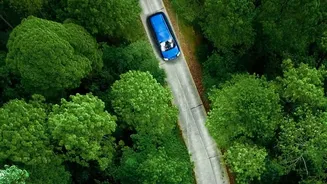
The drive from Bangalore to Agumbe spans approximately 350-380 kilometres and typically takes around seven to eight hours, depending on traffic and stops. The most popular route runs via NH75 through Hassan, or via Tumkur to Shimoga, before diverting
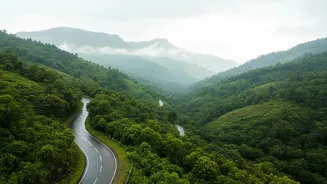
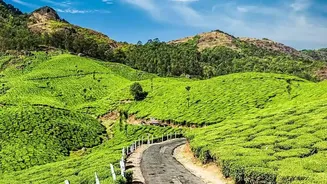
towards Thirthahalli and finally Agumbe. This path takes you from bustling city highways to serene state roads that wind through the lush greenery of the Malnad region. While the roads are generally well-maintained, the final stretch includes the famous Agumbe Ghat, a section with 14 hairpin bends that demands careful and slow driving, especially during the monsoon. Planning an early start from Bangalore helps avoid city traffic and ensures you reach the ghat section well before dusk.
Monsoon Driving: A Pre-Trip Safety Checklist
Before you begin your journey into the rain-soaked Western Ghats, a thorough vehicle check is non-negotiable. Ensure your tyres have adequate tread depth for a firm grip on slippery roads. Check that your brakes are in optimal condition, as braking distance increases significantly on wet surfaces. Functional wipers are your best friend against torrential downpours; replace them if they leave streaks. All lights—headlights, tail-lights, and especially fog lamps—must be in working order for navigating low-visibility conditions. It's also wise to pack an emergency kit with essentials like a torch, basic first-aid, and extra water, and to carry a physical map or offline maps as mobile connectivity can be patchy.
On the Road: Navigating the Ghats Safely
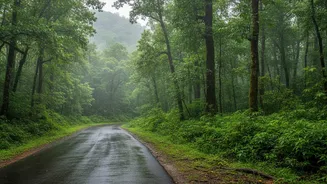
Once you hit the road, particularly the ghat sections, 'slow and steady' is the mantra. Reduce your speed and maintain a generous distance from the vehicle ahead to allow for longer braking times. The winding roads near Agumbe are prone to being slick and foggy, drastically reducing visibility. Use low-beam headlights in mist or heavy rain. Honk courteously before blind turns to alert oncoming traffic. Overtaking on hairpin bends is extremely dangerous and must be avoided. If you encounter waterlogged patches, drive through them slowly in a low gear without stopping. The key is to remain patient and prioritise safety over speed to ensure your drive is as enjoyable as the destination itself.
Welcome to Agumbe: The Rainforest Paradise
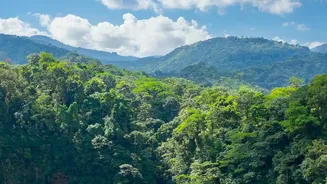
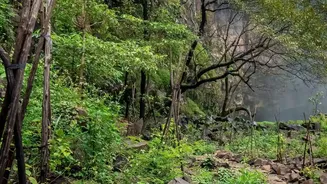
Known for its incredible biodiversity, Agumbe is home to the King Cobra and the Agumbe Rainforest Research Station (ARRS), a hub for ecological study. The monsoon transforms the region into a vibrant spectacle of roaring waterfalls, thick forests, and misty landscapes. While many waterfalls like Jogi Gundi and Barkana may have restricted access during peak monsoon due to safety concerns, the views are still spectacular from a distance. You can explore ancient sites like the Kavaledurga Fort for panoramic views or simply soak in the atmosphere that inspired the fictional town of Malgudi. Be prepared for leeches; wearing leech socks is highly recommended for any walks into the forest.
Rainforest Photography: Protecting Your Gear
Photographing in a rainforest during the monsoon presents a unique set of challenges, primarily moisture. High humidity and constant drizzle can damage sensitive camera equipment. A good quality rain cover for your camera and lens is essential. When not shooting, keep your gear in a waterproof bag with several silica gel packets to absorb ambient moisture. Avoid changing lenses in the open rain. Carry a microfibre cloth to wipe down your equipment frequently. A sturdy tripod is also crucial, as the low-light conditions under the dense canopy often require longer shutter speeds.
Capturing the Monsoon's Magic
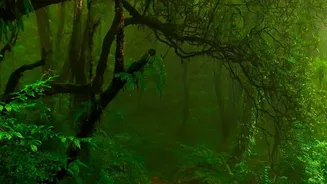
The beauty of monsoon photography in Agumbe lies in capturing the mood. An external flash with a diffuser is highly recommended to illuminate subjects in the dark undergrowth. Look for macro subjects like insects, colourful frogs, and raindrops clinging to leaves and spiderwebs. Use a polarising filter to cut through glare on wet foliage and deepen the greens. Experiment with slow shutter speeds to capture the motion of flowing water in streams and waterfalls. Don't just focus on the grand landscapes; the tiny details often tell the most compelling story of the rainforest's vibrant life during the rains.