







The Dream Versus The Disruption
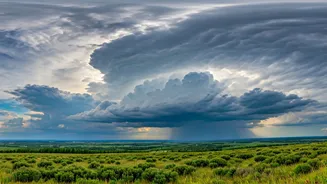
For many Indians, the monsoon isn't just a season; it's an emotion. It transforms the parched summer landscape into a lush, green paradise, making it a tempting time for travel. Destinations like the Western Ghats, Kerala, and the Himalayan foothills
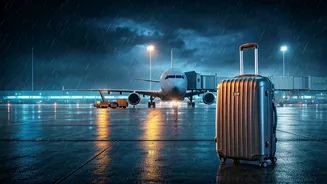
become incredibly beautiful, with waterfalls in full flow and forests at their most vibrant. This has given rise to a booming 'monsoon tourism' trend, with travelers intentionally seeking out these unique, rain-washed experiences. However, the reality of monsoon travel can be far from idyllic. The season is notoriously unpredictable, bringing with it a host of logistical nightmares. Heavy downpours can lead to flooded roads, landslides, and widespread travel disruptions, including a cascade of flight and train delays or outright cancellations. This predictable unpredictability is where the romance of the journey clashes with the harsh reality of rigid travel policies.
The Fine Print Frustration
When the weather turns, travelers often find themselves battling not just the elements, but also the fine print on their tickets and hotel reservations. Most standard bookings are inflexible, with a 'force majeure' or 'act of God' clause that often leaves consumers out of pocket. While airlines and hotels use this to absolve themselves of liability for weather-related disruptions, it leaves the traveler stranded with non-refundable tickets and forfeited hotel deposits. Some hotels report cancellation rates of 7-10% during periods of heavy disruption, and while some may offer extensions, it's not guaranteed. This creates a significant financial risk for anyone trying to plan a trip between June and September, a period when the travel industry should be adapting its model to the climate's reality.
Know Your Rights (And Their Limits)
The Directorate General of Civil Aviation (DGCA) has set out rules for passenger rights in case of flight delays and cancellations. Airlines are required to provide meals for significant delays and offer refunds or alternative flights for cancellations. Specifically, if an airline cancels a flight, it must inform the passenger and offer either an alternate flight or a full refund, as per the passenger's choice. However, these protections often have a crucial exception: extraordinary circumstances, like severe weather. This 'force majeure' loophole means that during the monsoon, when disruptions are most likely, passengers are often least protected and may not be entitled to compensation beyond a ticket refund or rebooking. Furthermore, while DGCA rules state airlines must process refunds within a set number of days, the initial financial loss and travel chaos remain the passenger's burden to bear.
How To Monsoon-Proof Your Trip
Given the gaps in consumer protection, travelers need to be proactive. The single most important step is to prioritize flexibility. When booking flights and hotels, actively look for and choose options with free cancellation or flexible rebooking policies; they are worth the slightly higher cost for peace of mind. Secondly, consider comprehensive travel insurance. Many travelers are now opting for policies that specifically cover trip interruptions and cancellations due to weather disruptions. Always check the weather forecast and local advisories before and during your trip, especially if travelling to hill stations prone to landslides. Finally, maintain a flexible itinerary. Building in buffer days can make the difference between a ruined holiday and a memorable adventure.
A Call for Industry Adaptation
While savvy travelers can take steps to protect themselves, the onus shouldn't be solely on them. The Indian travel industry is slowly waking up to this reality. Some online travel agencies and operators have started offering packages with more built-in flexibility, acknowledging that modern travelers expect options, not uncertainty. This needs to become the norm, not the exception. For an industry that benefits from the beauty of monsoon tourism, it's time to fully embrace its responsibilities. Providing clear, upfront, and truly flexible rebooking and cancellation options isn't just good customer service—it's a necessary business evolution. Travelers want to embrace the romance of the rains, but they need the assurance that their plans, and their money, won't be washed away.