






The National Weather Outlook
The India Meteorological Department (IMD) has forecast a complex and varied weather pattern for mid-July. While a temporary dry spell was anticipated over parts of north, west, and central India from July 10 to July 15, other regions are bracing for continued
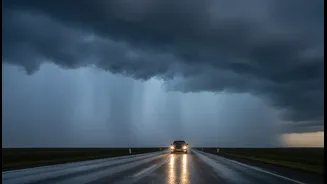
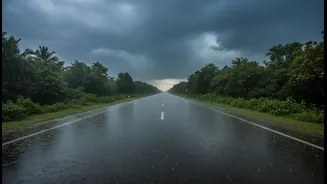
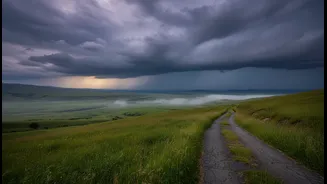
downpours. Intense rainfall is expected to continue across Northeast India, Sub-Himalayan West Bengal, Sikkim, Bihar, and East Uttar Pradesh around July 12. Specifically, the IMD has issued alerts for widespread rain in states like Assam, Meghalaya, and Arunachal Pradesh through July 16 and 17. Meanwhile, after a very wet start to the month, rainfall activity is expected to be subdued over central and south Peninsular India for about a week. This mixed forecast means travellers must check local conditions diligently.
High-Alert Zones for Travellers
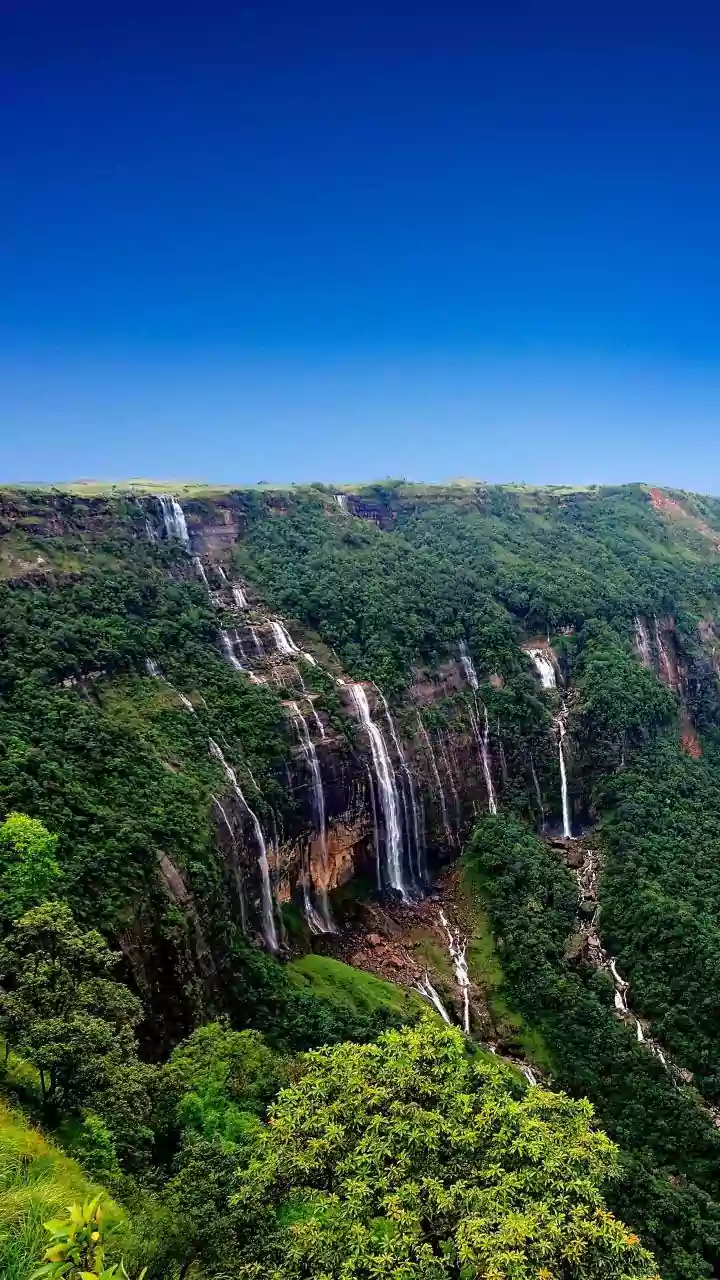
Several popular tourist destinations are currently facing significant weather-related risks. The hill states of Himachal Pradesh and Uttarakhand have been particularly hard-hit, with heavy rains triggering landslides that have blocked major highways. The IMD has warned of continued risk of landslides and flash floods in these areas. In Jammu and Kashmir, authorities have issued advisories for regions like the Chenab Valley and Pir Panjal range, urging caution due to the threat of flash floods and mudslides. The Northeast is also on high alert, with Assam authorities warning of potential flash floods and landslides, especially in vulnerable pockets. Similar warnings are active for states like Meghalaya, where a red alert has been issued for some regions.
Impact on Air, Rail, and Road Travel
Recent heavy rains have already caused significant disruptions to transport networks. In Mumbai, severe downpours and low visibility led to the cancellation of at least 17 flights and delays for over 200 others earlier in the week. Airlines like IndiGo and SpiceJet issued travel advisories for flights to and from both Mumbai and Delhi. On the ground, waterlogging has slowed traffic to a crawl in major cities, including Kolkata. Landslides have made road travel treacherous in hilly areas, with crucial highways in Himachal Pradesh and Uttarakhand being temporarily blocked. Even in the plains, waterlogged underpasses and flooded roads can bring traffic to a standstill, and travellers are advised to check for traffic advisories before starting their journey.
Your Monsoon Travel Checklist
Given the unpredictable weather, preparedness is key. Before you travel, check the latest IMD forecasts for your specific destination. Follow official advisories from local and state disaster management authorities. It is wise to have flexible bookings for flights and hotels where possible. When packing, prioritise waterproof gear, including rain jackets, quick-dry clothing, and protective pouches for electronics. Sturdy, non-slip footwear is essential, especially if you plan to walk or trek. Always inform your family or friends about your itinerary and keep emergency contact numbers handy. Avoid venturing into landslide-prone zones or near swollen rivers, particularly after heavy rainfall.
Exploring Safer Alternatives
While some regions are high-risk, many parts of India offer a beautiful and safer monsoon experience. The east coast, for instance, typically receives less rain from the southwest monsoon compared to the west coast. Destinations like Pondicherry in Tamil Nadu or Rushikonda beach in Andhra Pradesh are often calmer in July. Rajasthan, being a desert state, receives significantly less rainfall, allowing for travel to cities like Udaipur and Jaipur without the crowds of peak season. For those seeking mountain landscapes without the heavy rain, Ladakh remains a prime option as it lies in a rain-shadow region. Even on the west coast, while swimming is banned in places like Goa, the lush green landscapes provide a different kind of atmospheric holiday.