

Why You Shouldn't Throw Away Lauki Peels
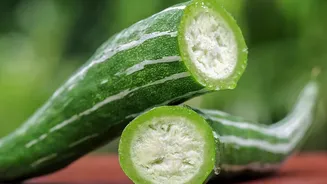
The zero-waste cooking movement is gaining traction in Indian kitchens, and for good reason. It’s not just about sustainability; it’s about discovering flavour and nutrition in parts of vegetables we commonly discard. Bottle gourd, or lauki, is a perfect
example. While the flesh is used in curries, koftas, and juices, the peel is often sent straight to the bin. However, these peels are perfectly edible and packed with benefits. They are a great source of dietary fibre, which is essential for good digestion and gut health. The skin also contains vitamins, minerals, and antioxidants that contribute to overall wellness. By using the peels, you’re not only reducing food waste but also adding a nutritious, fibre-rich component to your meal.
The All-Important Cleaning Process
Before you can turn peels into kebabs, proper cleaning is non-negotiable. This step ensures they are safe and pleasant to eat. Start with a fresh, firm bottle gourd. Wash the entire vegetable thoroughly under running water, using a vegetable brush to scrub the surface. This helps remove any dirt, residue, or pesticides. When peeling, you have two options. Using a standard peeler will give you thin strips. Alternatively, using a knife to peel the skin can leave a little bit of flesh attached, which adds more texture and volume to your final dish. One crucial safety note: taste a tiny piece of the raw bottle gourd before you proceed. If it tastes unusually bitter, discard the entire vegetable. Bitter bottle gourd can contain toxic compounds called cucurbitacins, which are not destroyed by cooking and can cause severe illness.
Gathering Your Kebab Ingredients
This recipe enhances the subtle flavour of the peels with a blend of common pantry staples. The key is to create a binding mixture that holds its shape and fries up beautifully. Here’s what you’ll need: Bottle Gourd Peels: About 2 cups, finely chopped. Binding Agent: 1 cup of besan (gram flour) is traditional. You can also use soaked chana dal (split chickpeas) for a texture similar to Shami kebabs. Aromatics: 1 medium onion (finely chopped), 1-inch piece of ginger (grated), and 3-4 cloves of garlic (minced). Herbs and Spices: A handful of fresh coriander (chopped), 2 green chillies (finely chopped), 1 teaspoon red chilli powder, 1 teaspoon garam masala, 1 teaspoon chaat masala, and salt to taste. * Optional additions: A boiled potato can be mashed and added for a softer texture, or a tablespoon of corn flour for extra crispiness.
Step-by-Step Kebab Preparation
Once your ingredients are ready, making the kebabs is straightforward. First, you need to soften the peels. Finely chop the cleaned peels and lightly boil or steam them for a few minutes until they are tender. After cooking, drain them thoroughly and squeeze out all excess water. This is a critical step to ensure your kebabs aren't soggy. In a large mixing bowl, combine the cooked peels with the besan or mashed chana dal, chopped onion, ginger, garlic, green chillies, and fresh coriander. Add all the powdered spices—chilli powder, garam masala, chaat masala, and salt. Mix everything together until it forms a firm, cohesive dough. If the mixture feels too wet, add a little more besan to bind it. Let the mixture rest for about 10 minutes to allow the flavours to meld together.
Cooking to Golden Perfection
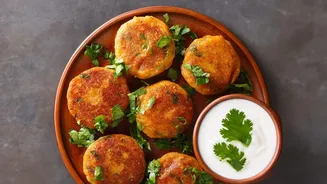
With your kebab mixture ready, it’s time to shape and cook. Lightly oil your hands to prevent sticking and take small portions of the mixture. Roll them into balls and then flatten them into discs, about half an inch thick. You can make them round or oval, just like traditional kebabs. Heat a non-stick tawa or frying pan over a medium flame and add a teaspoon or two of oil or ghee. Carefully place the kebabs on the hot pan, leaving some space between them. Don't overcrowd the pan, as this can lower the temperature and make the kebabs steam instead of fry. Cook them on a medium-low flame for 3-4 minutes per side, until they are golden brown and crisp. Frying slowly ensures they cook through to the centre while developing a perfect crust. Once cooked, transfer them to a plate lined with a paper towel to absorb any excess oil.
Serving Your Zero-Waste Snack
These bottle gourd peel kebabs are wonderfully versatile. Serve them hot as an evening snack with a side of mint-coriander chutney and some pickled onion rings for a classic kebab experience. They also make a fantastic appetiser for guests, who will be hard-pressed to guess the secret ingredient. You can even use them to make a kebab roll by wrapping them in a paratha or roti with some salad and sauce. The satisfaction comes not just from their delicious, savoury taste but from the knowledge that you’ve created a flavourful dish from something that would have otherwise gone to waste.