


The Global Weather Pattern on Our Doorstep
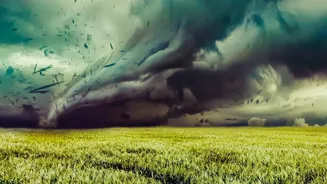
El Niño is a climate phenomenon characterized by the unusual warming of sea surface temperatures in the central and eastern equatorial Pacific Ocean. This seemingly distant event has a significant global reach, disrupting weather patterns worldwide. For
India, the connection is critical: El Niño is strongly linked to a weaker southwest monsoon, which delivers about 70% of the country's annual rainfall. Historically, many El Niño years have coincided with below-normal rainfall and even drought conditions across the subcontinent. While not every El Niño leads to a drought, forecasts for late 2026 suggest a high probability of a strong event, prompting concerns from meteorological agencies and policymakers about its potential impact on rainfall.
India's Monsoon Gamble
India's economy and the livelihoods of millions are deeply intertwined with the monsoon. The agricultural sector, which employs nearly half of the workforce, remains heavily dependent on these seasonal rains, with a large portion of farmland still being rain-fed. A weak or deficient monsoon has a cascading effect across the economy. It starts with lower crop yields, which reduces farmers' incomes and can lead to rural distress. This, in turn, suppresses rural demand for goods like tractors and two-wheelers. The most immediate and widespread impact is often a rise in food inflation, as lower agricultural output leads to shortages and higher prices in the market. The Reserve Bank of India closely monitors the monsoon's performance, as it directly influences inflation and economic growth projections.
The Trouble with Thirsty Crops
At the heart of the vulnerability are the crops that dominate Indian agriculture: rice and sugarcane. These are incredibly water-intensive. The Green Revolution in the 1960s elevated rice and wheat to staple crops, a status reinforced by government subsidies that encourage their production. While this boosted food security, it came at a high environmental cost, particularly in terms of water. Over-extraction of groundwater for irrigating these thirsty crops has led to alarming depletion of water tables in key agricultural states like Punjab and Haryana. In a year with deficient rainfall, the reliance on already-stressed groundwater resources becomes even more unsustainable, threatening both long-term water security and the viability of the harvest itself.
Meet the Drought-Resistant Alternatives
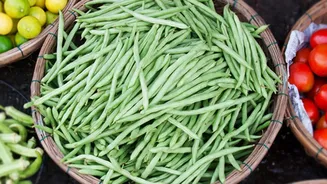
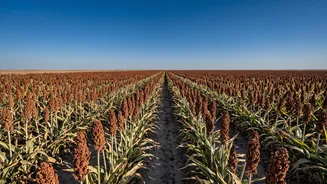
The solution may lie in crops that have been part of India's traditional agricultural landscape for centuries: millets and pulses. Millets such as pearl millet (bajra), sorghum (jowar), and finger millet (ragi) are famously drought-resistant. They have deep root systems that can access water from lower soil levels and are well-suited to arid and semi-arid conditions. Similarly, pulses like pigeon pea (tur), green gram (moong), and chickpeas are less thirsty and have the added benefit of fixing nitrogen in the soil, which improves its fertility. These crops not only require significantly less water than rice and sugarcane but are also highly nutritious, offering a way to improve both water security and public health.
A Challenging but Necessary Shift
Transitioning from water-guzzling staples to low-water alternatives is easier said than done. Decades of policies, subsidies, and market focus on rice and wheat have created a system that is difficult to change. Farmers' incomes are tied to these crops, and a large-scale shift would require significant government support, including ensuring a reliable market and fair prices for millets and pulses. The government is already taking steps through initiatives like the Pradhan Mantri Krishi Sinchayee Yojana (PMKSY), which promotes micro-irrigation and the principle of 'Per Drop More Crop'. Ahead of the 2026 monsoon, the farm ministry has also begun urging farmers in rain-fed areas to consider planting less water-intensive crops. Making this shift is not just about weathering one El Niño event; it is about building a more resilient agricultural system for a future where climate variability is the new normal.