








The Science Behind This Simple Seed
Fennel seeds have been a cornerstone of Indian culinary and medicinal traditions, including Ayurveda, for centuries. They are more than just a mouth freshener served after a meal in restaurants; they are a digestive powerhouse. The magic lies in their
essential oils, which contain compounds like anethole, fenchone, and estragole. These compounds give fennel its carminative properties, meaning they help prevent the formation of gas in the gastrointestinal tract and facilitate its expulsion. Anethole, in particular, is believed to have anti-inflammatory and antispasmodic effects, helping to relax the intestinal muscles. This relaxation allows trapped gas to pass through more easily, relieving the pressure and discomfort associated with bloating.
The Easiest Method: The Post-Meal Chew
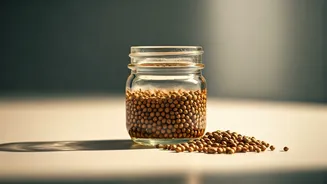
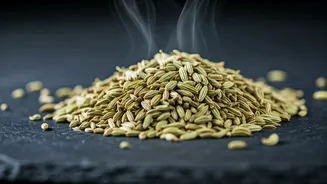
The simplest way to use fennel is the one most of us are already familiar with. Chewing a teaspoon of raw or lightly roasted fennel seeds after your meal is a direct and effective way to kickstart the digestive process. The act of chewing itself stimulates the production of saliva, which contains digestive enzymes. As the seeds break down, their essential oils are released, immediately beginning their work on your digestive system. For a slightly different flavour profile, you can dry roast a small batch of saunf and store it in an airtight container. Some people also enjoy mukhwas, a mix of fennel seeds, sugar-coated spices, and other seeds, which serves the same purpose with added flavour.
Brew a Soothing Fennel Tea
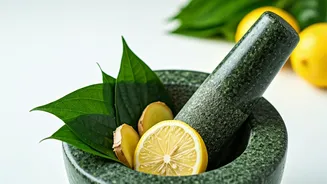
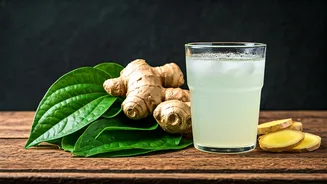
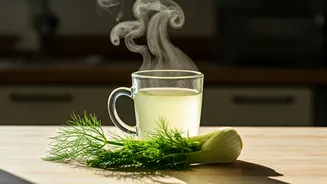
For a warm and comforting remedy, fennel tea (saunf ka pani) is an excellent choice. It’s gentle on the stomach and can be particularly helpful after a heavy or rich meal. To prepare it, simply crush one teaspoon of fennel seeds slightly to help release their oils. Add the crushed seeds to a cup of hot water and let it steep for 5-10 minutes. Strain the seeds out, and your tea is ready. You can add a slice of ginger for an extra digestive boost or a few drops of honey for sweetness, though it’s perfectly pleasant on its own. Sipping this tea 20-30 minutes after eating can significantly reduce feelings of heaviness and bloating.
Incorporate Fennel into Your Cooking
Don’t just save saunf for after the meal; make it part of the meal itself. Incorporating fennel seeds into your daily cooking is a proactive way to support your digestion. They are a key ingredient in the Bengali five-spice mix, panch phoran, and are widely used in tadkas for dals and sabzis across India. The seeds impart a subtle, sweet, anise-like flavour that complements both vegetables and meats. You can add whole or ground fennel seeds to your spice rubs for roasted vegetables, sprinkle them into bread dough, or infuse them into oils for cooking. By cooking with fennel, you are preemptively introducing its digestive benefits into your food, helping your system process the meal more efficiently from the start.
A Morning Ritual: Fennel Water
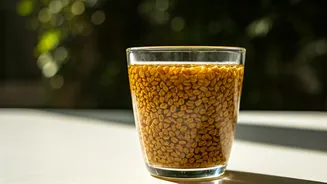
Starting your day with fennel-infused water is another popular Ayurvedic practice for maintaining digestive health. This simple drink is thought to help flush out toxins, reduce water retention, and keep your digestive system running smoothly throughout the day. To make it, soak one teaspoon of fennel seeds in a glass of water overnight. In the morning, you can either drink the water as is or gently warm it up before consuming it on an empty stomach. The water absorbs the beneficial compounds from the seeds, providing a gentle, hydrating start that prepares your stomach for the day's meals and may help prevent bloating before it even begins.
A Note on Moderation
While fennel seeds are generally considered safe for most people, moderation is key. They are a potent source of natural compounds, and consuming them in very large quantities is not recommended. People with allergies to plants like carrots or celery might also have a sensitivity to fennel. Furthermore, due to its estrogen-like properties, those with hormone-sensitive conditions should consult their doctor before making fennel a regular part of their diet. For the average person, a teaspoon or two a day is a safe and effective amount to help with occasional digestive discomfort.