






The 'Plot Twist' Trip
Forget the predictable beach holiday. In 2027, travellers are craving the unexpected. According to the research, a remarkable 77% of global travellers are interested in booking a trip specifically to do something out of character. More than just a personal
challenge, there's a social element, with 36% actively wanting to surprise their friends and family with their unconventional choices. This trend, dubbed the 'Plot Twist Trip', is all about shaking up personal routines and rewriting the narrative of what a vacation 'should' be. It’s a move away from cookie-cutter itineraries and towards experiences that challenge perceptions and create truly unique stories.
Vibe Check Before Check-In
In the coming year, the 'where' is becoming secondary to the 'how you want to feel'. An overwhelming 81% of travellers said they would choose a destination based on the mood they want to achieve, rather than the place itself. Imagine searching for 'serene and relaxed' instead of 'Goa', or 'energised and adventurous' instead of 'Rishikesh'. This emotional filter is set to redefine travel planning. Three-quarters of respondents would even use a search tool that recommends destinations based on their emotional state. This shift suggests people are using travel more intentionally as a tool for their well-being, seeking out places that promise a specific emotional outcome.
A Trip to the Beyond
Travel is taking a turn for the mysterious and macabre. A surprising 65% of travellers expressed interest in trips centred around paranormal, gothic, or horror themes. This isn't just about a casual ghost tour; nearly half (48%) are open to experiences designed to make contact with the 'other side'. This growing appetite for darker tourism suggests a desire for more thrilling and emotionally charged vacations that go beyond simple relaxation. From staying in allegedly haunted hotels to exploring locations with unsettling histories, travellers are looking for stories that send a shiver down their spine.
The Budget Decides the Guest List
Financial compatibility is becoming a crucial factor in group travel. The survey reveals that money matters are a significant source of friction, with half of all travellers (50%) having reconsidered who to invite on a trip due to differing budgets. Disagreements over spending have caused tension for 51% of travellers on past trips. The solution is often drastic, with 38% admitting they have removed someone from a travel group entirely over financial differences. This trend even extends to family travel, as 61% of parents are keen to travel without their children to be able to spend more on themselves.
Sweat Synergy and Trailside Therapy
Solo travel is getting a communal, active twist. In 2027, more people will be bonding through shared physical challenges. The survey found that two-thirds of those who have travelled alone made a lasting connection or friendship through a shared physical activity. Beyond just fitness, travel is also being seen as a tool for resolving personal conflicts. Nearly half of respondents (47%) would consider taking a trip to work through a disagreement with someone close to them. For many, walking or hiking together provides the perfect backdrop for honest conversations, away from the distractions of daily life.
AI Takes Over the Out-of-Office
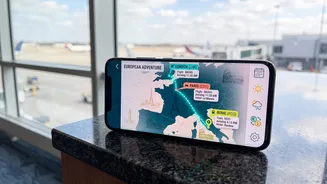
While many trends point towards more human connection, technology is playing a key role in enabling us to switch off. A fascinating finding shows that 64% of travellers would be interested in having an AI agent manage their work tasks while they are on vacation. The motivation isn't just to relax, but also to extend the break; a bold 44% admitted they would use the AI cover to sneak an extra day off. This highlights a growing desire for a true disconnect from work, using technology not just to plan travel, but to protect the vacation experience itself.