




A Silk Road Adventure for the Digital Age
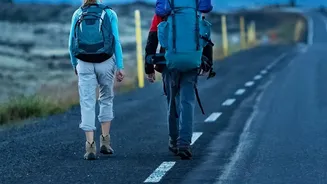
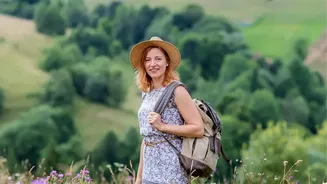
A scroll through social media reveals a growing trend among Gen Z and Millennial travellers: a pivot away from traditional party destinations towards more meaningful, off-the-beaten-path experiences. Uzbekistan, with its fabled Silk Road history, is emerging
as a star attraction. The country is becoming increasingly popular with young backpackers who are drawn to its unique blend of ancient culture and modern hospitality. This new wave of tourism is fuelled by a desire for authenticity, affordability, and, of course, a stunning visual backdrop for their travel feeds. The country's streamlined e-visa process and growing network of high-speed trains make it more accessible than ever, answering the modern traveller's call for something profound yet convenient.
Samarkand: The Jewel of Uzbekistan
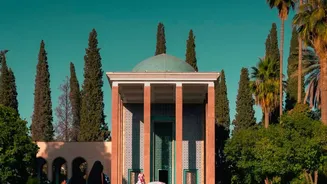
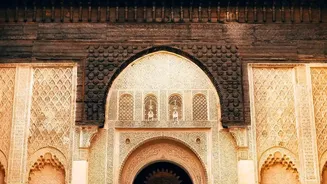
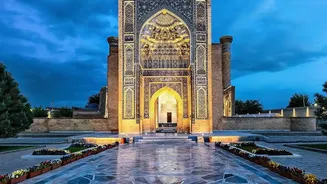
At the heart of this travel trend is Samarkand, a city whose name alone evokes images of golden-age explorers and merchants. The city's centrepiece is the Registan, a breathtaking public square framed by three intricately tiled madrasahs that glow under the sun. Walking through this square, it is easy to feel transported back to the era of the great conqueror Timur, who is buried nearby in the magnificent Gur-i-Emir mausoleum. This very tomb served as an architectural inspiration for the Taj Mahal, creating a fascinating connection for Indian visitors. Beyond the Registan, the Shah-i-Zinda necropolis offers a stunning avenue of mausoleums decorated in every imaginable shade of blue, a testament to the artistic heights of the Timurid empire.
Your Rupee Goes a Long Way
One of Uzbekistan's biggest draws is its incredible value for money. For budget backpackers, daily expenses can be as low as $25-$45 (approximately ₹2,100-₹3,800), covering a dorm bed, local meals, and transport. Hostels are clean, plentiful, and can cost as little as ₹800-₹1,500 per night. Food is another area where your budget will stretch surprisingly far. A hearty meal of plov, the national dish of rice, meat, and vegetables, can be found for just a couple of dollars in local teahouses, known as 'chaikhanas'. Even entrance fees to the most spectacular historical sites are very reasonable, typically costing between $3 and $10. Efficient and cheap high-speed trains connect major cities like Tashkent, Samarkand, and Bukhara, making it easy to explore the country without breaking the bank.
Beyond Samarkand: Bukhara and Khiva
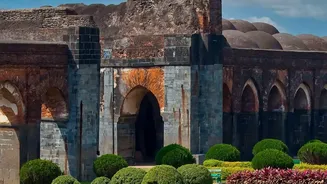
While Samarkand is a major highlight, a trip to Uzbekistan is incomplete without visiting the enchanting cities of Bukhara and Khiva. Bukhara's old city is a UNESCO World Heritage site, a labyrinth of narrow alleys, historic mosques, and bustling market domes that feel alive with history. Key sights include the imposing Ark Citadel and the unique Chor-Minor madrasah. Khiva offers a different experience altogether. Its walled inner city, Itchan Kala, is a perfectly preserved open-air museum. Walking through its gates feels like stepping directly into a medieval Silk Road town, with over 50 architectural monuments packed into a compact, pedestrian-friendly space. Together, these three cities form the classic Uzbek tourist trail, each offering a unique window into the country's layered past.
Planning Your Trip from India
For Indian citizens, getting to Uzbekistan is refreshingly straightforward. The country offers an e-visa that can be applied for online for a fee of around $20. The process requires a valid passport, a recent photograph, and details of your travel dates. While some sources indicate a visa-free regime for up to 30 days, applying for an e-visa in advance is the most reliable method to ensure smooth entry. Direct flights connect major Indian cities with Tashkent, and booking in advance can secure return tickets for around ₹21,000 to ₹35,000. Once there, English is increasingly spoken in tourist areas, especially by the younger generation, though learning a few basic phrases in Uzbek or Russian is always appreciated. The country is widely considered safe for travellers, allowing you to focus on soaking in the history and culture.