









Meet Your Body’s Master Clock
Deep inside your brain is a master clock known as the suprachiasmatic nucleus (SCN), which governs your circadian rhythms. This internal 24-hour clock directs nearly all of your body's functions, including your sleep-wake cycle, hormone release, body temperature,
and metabolism. It’s influenced by external cues, most powerfully light, which tells your body when to be alert and when to power down for sleep. But it’s not just one clock; peripheral clocks exist in almost every organ and tissue, from your liver to your muscles. When these clocks are all synchronised, your body functions optimally. When they’re out of sync—think jet lag or late-night shifts—it can disrupt your metabolic health.
What Exactly Is Chrononutrition?
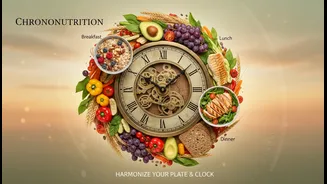
Chrononutrition is the science of how the timing of your food intake interacts with your body's circadian rhythms. The core principle is simple: your body is primed to digest and metabolise food more efficiently at certain times of the day. Eating in alignment with these natural rhythms can potentially support metabolic function, while eating against the clock may contribute to health issues. It’s not just about what you eat, but also when you eat, how often you eat, and the regularity of your eating patterns. This approach suggests that a calorie consumed in the morning is processed differently than the same calorie consumed late at night, because your body’s metabolic machinery isn't running at the same speed.
The Science of Meal Timing
Research shows that our bodies are most prepared for food earlier in the day. Insulin sensitivity, your body’s ability to use glucose from food, is typically highest in the morning and decreases throughout the day. This means eating your largest meal earlier may lead to better blood sugar control. Conversely, eating late at night, when your body is preparing for sleep and releasing melatonin, can lead to elevated blood sugar and insulin levels, potentially promoting fat storage. Studies have linked eating earlier in the day with better metabolic markers and improved sleep quality. While more long-term, large-scale studies are needed, the existing evidence suggests that aligning meals with our internal clocks is a promising strategy for health.
Simple Ways to Align Your Eating
Adopting chrononutrition doesn't require a radical diet overhaul. It's more about adjusting your schedule. One popular method is time-restricted eating (TRE), where you consume all your meals within a specific window, such as 8 to 12 hours, and fast for the remainder of the day. A common approach is to 'front-load' your calories, making breakfast or lunch your largest meal of the day when your metabolism is most active. Aim to have a lighter dinner, ideally at least three hours before you go to bed, to give your digestive system time to work before you lie down. Starting your day with a protein-rich breakfast can also help stabilise blood sugar and set a strong rhythm for the day ahead.
Foods That Support Your Rhythm
While timing is the star of the show, what you eat still matters. Foods rich in the amino acid tryptophan—found in turkey, chicken, oats, and nuts—can help the body produce serotonin and melatonin, hormones crucial for regulating mood and sleep. For an evening snack, consider options like kiwis, which have been shown to improve sleep, or a handful of almonds, which provide magnesium for muscle relaxation. Limiting processed foods and opting for a diverse, plant-rich diet can also support the health of your gut microbiome, which has its own rhythms that interact with your body clock. Avoiding caffeine and large, heavy meals in the hours before bed is another key step.