





The biggest entertainment launch in history isn't a movie, but a video game. After a 13-year wait, Grand Theft Auto 6 is here, and its ripple effects are being felt far beyond the screen, right inside India’s kitchens and delivery bags.
The Great Indoors
Across India, a familiar
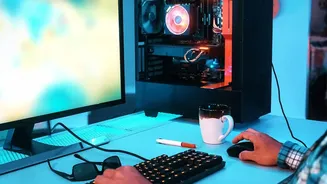
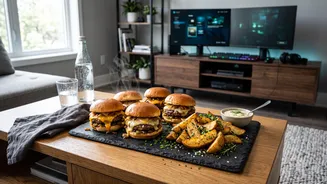
scene is playing out in millions of homes. The lights are low, the curtains are drawn, and the only glow comes from a screen showcasing the sprawling, neon-soaked world of Vice City. After more than a decade of anticipation, Rockstar Games' GTA 6 finally launched on November 19, smashing sales records and capturing the undivided attention of a generation. But as players settle in for marathon sessions, a secondary screen is getting just as much attention: the one with the food delivery app. A quiet but significant economic surge is underway, fueled by gamers who have no intention of pressing pause to cook.
A Tsunami of Pixels and Rupees
To understand the food delivery boom, one must first grasp the sheer scale of the GTA 6 launch. This isn't just another game; it's a global cultural event with a budget and sales figures that dwarf Hollywood blockbusters. The title reportedly generated over $1.65 billion in pre-orders alone and is on track for the biggest entertainment launch in history. In India, the hype was so immense that quick-commerce platforms like Blinkit and Zepto began listing the game for 10-minute delivery in select cities, a service usually reserved for groceries and essentials. With millions of players taking time off work and dedicating their weekend to the game, the demand for convenient, easy-to-eat meals was not just predictable, it was practically guaranteed.
The Ultimate Gamer Fuel
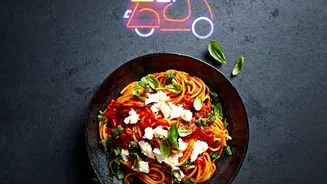
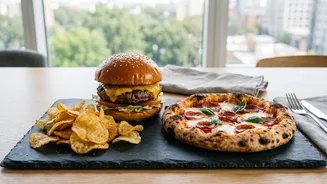
For the dedicated gamer, immersion is everything. Pausing a high-stakes mission to chop vegetables or wait for a pot to boil is out of the question. This is where food delivery platforms become an essential part of the launch experience. Globally, data shows a clear pattern: when a major game drops, food orders spike. During the GTA 6 launch window, US-based delivery service DoorDash reported that orders for burgers, chips, and pizza all climbed by more than 10 percent, while energy drink orders jumped by 20 percent. This behaviour is consistent with established research, which finds that around 80% of gamers eat and drink while playing, preferring salty snacks and sodas. These foods aren't just convenient; they are one-handed, low-mess fuel designed for minimum disruption and maximum playtime.
How Indian Food Apps Prepared
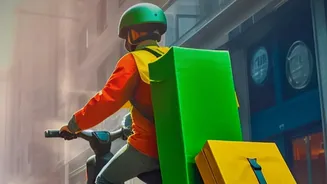
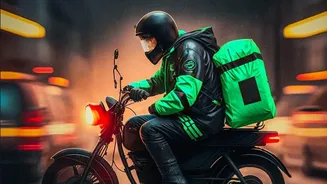
For Indian food delivery giants like Zomato and Swiggy, massive cultural moments are major business opportunities. They leverage powerful AI and real-time data analytics to prepare for surges in demand, similar to how they handle the IPL finals, Diwali, or New Year's Eve. These systems forecast demand based on location, user habits, and even weather, allowing them to optimize delivery routes and ensure enough drivers are available. During the GTA 6 launch, this likely meant encouraging restaurant partners to prep for a run on popular items like pizzas and burgers, offering promotions to capture gamer attention, and using their sophisticated dispatch systems to manage the flood of orders. It’s a complex logistical dance, happening silently in the background, to ensure a player's chicken biryani arrives hot without them missing a single cinematic.
More Than Just a Game
The 'GTA 6 effect' on food delivery is a powerful illustration of a much larger trend: the maturation of the gaming industry into a dominant economic force. What was once considered a niche hobby is now a mainstream cultural and commercial powerhouse, with an economic footprint that extends into hardware sales, fashion, and, of course, the food and beverage industry. The fact that a single game's launch can measurably impact the revenue of food delivery platforms demonstrates how deeply intertwined digital entertainment and the real-world economy have become. For brands, the message is clear: the Indian gamer is a consumer group with immense spending power, and they are paying close attention.