


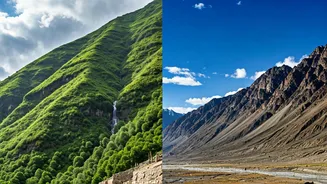


Embrace the Monsoon in the Western Ghats
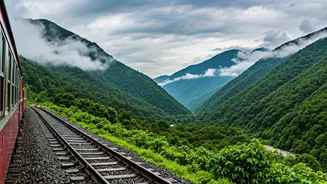
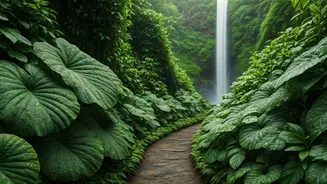
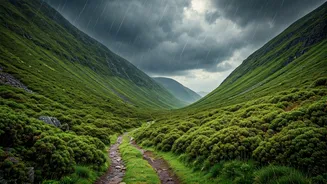
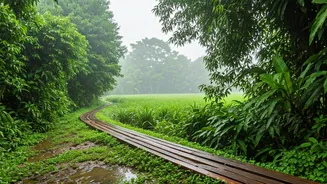
Instead of avoiding the rain, why not lean into it? The Western Ghats, a UNESCO World Heritage site stretching across several states, transforms into a vibrant, emerald paradise during the monsoon. Destinations in Maharashtra and Karnataka like Lonavala,
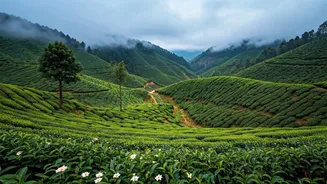
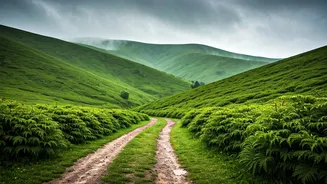
Mahabaleshwar, Coorg, and Chikmagalur come alive with mist-covered hills, roaring waterfalls, and forests that seem to breathe again. The key to timing your outdoor activities here is to plan around the downpours. Early mornings are often clearer and cooler, perfect for a trek to a historic fort like Lohagad or a walk through fragrant, wet coffee plantations. Mid-June to early August is considered the ideal window for waterfalls and thick mist, but always check local weather advisories, as conditions can change rapidly. This is the season for biodiversity tourism, with opportunities for guided frog walks and waterfall treks that reveal ecosystems only visible during the rains.
Escape to the Northern Rain Shadow
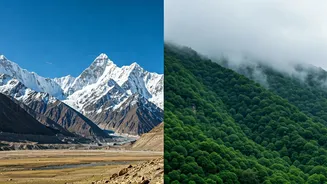
If you'd rather stay dry, heading north to the Himalayan rain shadow regions is your best bet. Ladakh and Spiti Valley are prime destinations in July, as they are shielded from the monsoon by the high mountain ranges. July is considered one of the best months to visit Ladakh, with pleasant daytime temperatures around 20-25°C, clear blue skies, and all major roads and passes, including the Manali-Leh and Srinagar-Leh highways, typically open. This makes it the perfect time for a road trip to iconic spots like Pangong Tso and Nubra Valley. Similarly, Spiti Valley offers a stark, beautiful landscape with minimal rainfall, ideal for exploring ancient monasteries like Tabo and Key. The catch? July is peak season here. The timing strategy involves booking flights and accommodation well in advance to manage higher costs and crowds.
Witness the Valley of Flowers in Full Bloom
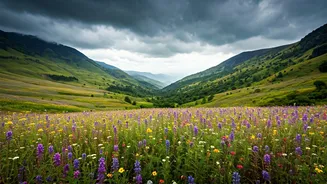
For many trekkers, July has one primary objective: the Valley of Flowers in Uttarakhand. This high-altitude valley, a UNESCO World Heritage Site, is carpeted with hundreds of species of alpine flowers that burst into colour during the monsoon. The timing is absolutely critical. While the park opens around June 1st, the peak blooming season, when the valley is at its most vibrant, is from mid-July to mid-August. Arrive too early, and many flowers won't have bloomed; arrive too late in September, and they'll be fading. The trek itself involves navigating a well-marked trail, but be prepared for rain and slippery paths. A typical itinerary starts from Govindghat and uses Ghangaria as a base for excursions into the valley and to the sacred lake of Hemkund Sahib.
Discover Roaring Waterfalls in the South
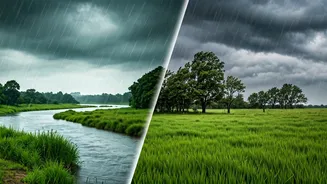
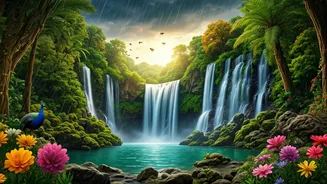
The monsoon swells the rivers and streams across South India, turning its waterfalls into powerful, spectacular displays. In Kerala, destinations like Wayanad and Munnar are not only lush and green but also home to magnificent cascades. Coorg in Karnataka, often called the “Scotland of India,” is another hotspot where the rains feed its numerous waterfalls, making the region a paradise for nature lovers. The timing for waterfall-chasing involves more than just the month. The best time to visit is often in the morning, before potential afternoon showers. It’s also wise to check local conditions, as heavy rains can sometimes make access roads to more remote falls temporarily impassable. Treks to places like Kudremukh in Karnataka offer a chance to see the landscape transformed, with countless streams and waterfalls appearing along the trail.
Master the Art of the Early Start
Regardless of your destination, a universal rule for outdoor timing in July is to become an early riser. In monsoon-affected areas, the mornings often bring a lull in the rain and cooler, less humid conditions. This provides a precious window for hiking, sightseeing, or photography before the afternoon heat and potential downpours set in. In the dry northern regions like Ladakh, an early start helps you avoid the harshest midday sun at high altitudes and the peak traffic of other tourists on popular routes. It also means you arrive at your destination for the day with plenty of time to acclimatize and relax. This simple adjustment to your daily schedule can dramatically improve the quality of your outdoor experiences, allowing you to see landscapes in the beautiful morning light and get the most out of your July trip.