





Bio-Enzymes: The Fermented Power Cleaner
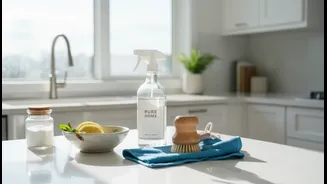
Bio-enzymes are solutions made from fermenting citrus peels, jaggery, and water. These natural cleaners are packed with beneficial enzymes that excel at breaking down organic matter. During the monsoon, they are particularly effective against the trifecta
of grime, mould, and odours. Unlike harsh chemicals that can leave toxic residues, bio-enzymes work at a molecular level to dismantle stains and kill the bacteria causing foul smells, making them ideal for kitchen surfaces, bathroom tiles, and even clogged drains. You can make your own at home or find ready-to-use versions. For tough mould or mildew, spray the bio-enzyme solution, let it sit for 15-30 minutes to allow the enzymes to work, and then scrub and wipe clean. This method not only cleans but also helps prevent regrowth.
Activated Charcoal: The Silent Moisture and Odour Absorber
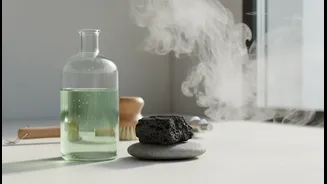
The single biggest challenge during the monsoon is excess moisture, which leads to musty odours in enclosed spaces like wardrobes and cabinets. This is where activated charcoal comes in. Its highly porous structure makes it a natural dehumidifier, attracting and trapping moisture from the air. Unlike scented air fresheners that merely mask smells, activated charcoal absorbs the odour-causing particles themselves, creating genuinely fresher air. Placing bowls of activated charcoal or hanging charcoal bags in cupboards, shoe racks, and bathrooms is a passive yet powerful way to combat dampness and prevent fungal growth on clothes and belongings. These bags are reusable; simply place them in direct sunlight for a few hours every few weeks to 'recharge' their absorbency.
Potent Essential Oils: Antifungal and Antibacterial Blends
Essential oils are more than just pleasant fragrances; many possess powerful antifungal and antimicrobial properties that are perfect for monsoon cleaning. Tea tree oil, for example, is renowned for its ability to kill mould and mildew spores. Clove oil's main component, eugenol, is highly effective at damaging the cell membranes of various fungi. Other useful oils include eucalyptus, lemongrass, and lavender. To create an all-purpose cleaning spray, add about 10-15 drops of tea tree or clove oil to a spray bottle filled with water. Use this to wipe down walls, window sills, and other surfaces prone to dampness. For a continuous fresh scent and to purify the air, use an electric diffuser with a few drops of eucalyptus or lemongrass oil.
Soap Nuts (Reetha): The Natural Surfactant
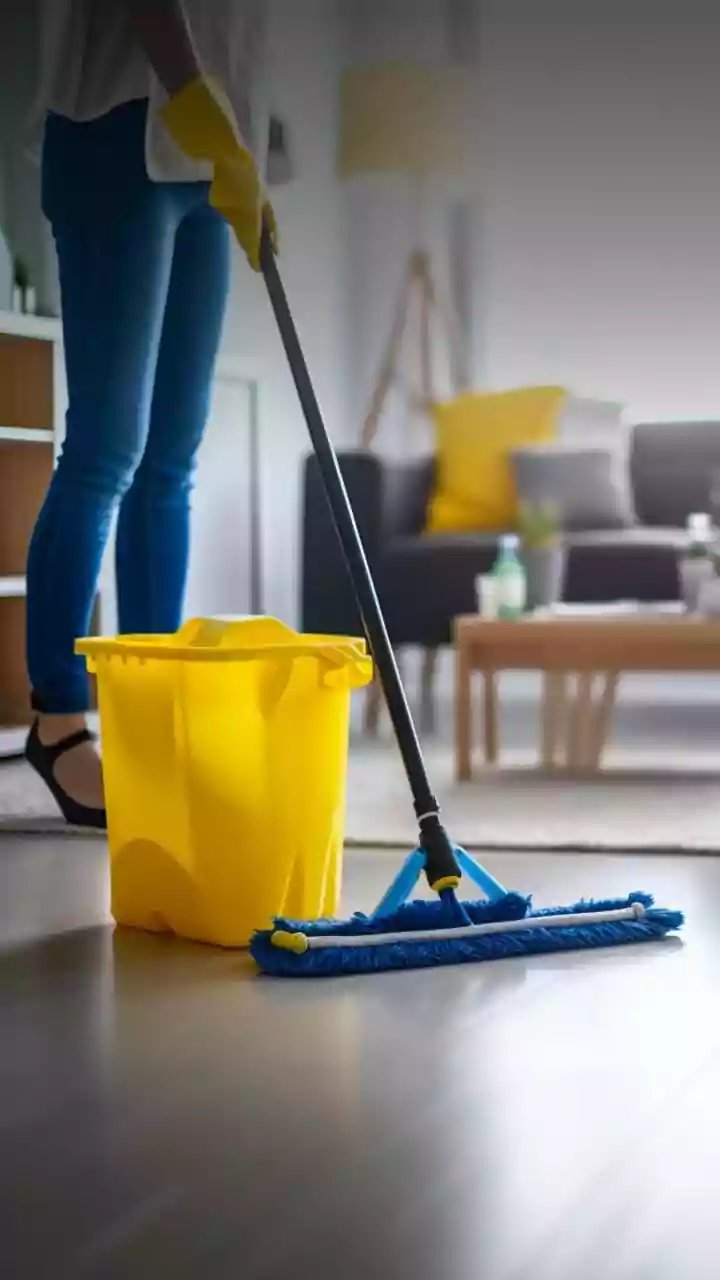
Known as 'Reetha' in Hindi, soap nuts are the dried fruit of the Sapindus tree and contain natural surfactants called saponins. These compounds effectively remove dirt and grime, making soap nuts a fantastic, non-toxic alternative to chemical-laden detergents and floor cleaners. They are especially useful during the monsoon for mopping floors, as they clean thoroughly without leaving a sticky residue that can feel tacky in humid weather. To use them, simply boil a handful of deseeded soap nuts in water to create a concentrated liquid cleaner. This liquid can be diluted for mopping floors, washing dishes, or even doing laundry. It's gentle on surfaces and skin, making it a great choice for households with children, pets, or individuals with sensitive skin.
Diatomaceous Earth: A Natural Barrier Against Pests
The monsoon often forces pests like ants, cockroaches, and silverfish indoors. Diatomaceous Earth (DE) offers a non-toxic way to manage them. DE is a fine powder made from the fossilised remains of tiny aquatic organisms. To insects with an exoskeleton, its microscopic sharp edges are abrasive, scratching their protective outer layer and causing them to dehydrate and die. This is a physical, not chemical, action, meaning pests cannot build a resistance to it. For effective pest control, sprinkle a thin layer of food-grade DE in dry areas where pests are seen, such as along cracks, in corners, behind appliances, and on window sills. It only works when dry, so you may need to reapply it in areas that get damp.