







Understanding the Modern Threat
Digital payment fraud involves any unauthorised activity where criminals exploit online systems like UPI, mobile wallets, and net banking to steal money or data. Scammers often use social engineering, which is the psychological manipulation of people
into making security mistakes. This includes phishing (fake emails or texts), vishing (voice calls), and smishing (SMS-based phishing). Another common tactic is QR code fraud, where a malicious code tricks you into sending money instead of receiving it. These methods don't target complex technology; they target you, by exploiting trust, fear, or a moment of distraction.
The Golden Rule of UPI and Online Payments
Remember one crucial rule that defeats the vast majority of scams: you never, ever need to enter your PIN or approve a payment request to receive money. Your UPI PIN is only for sending money from your account. Any person, message, or QR code that asks you to enter your PIN to get a refund, prize, or payment is a scam. Legitimate banks, payment apps, and government agencies like the RBI will never call, email, or text you to ask for your PIN, OTP, or password.
How to Spot and Avoid Phishing Attacks
Phishing remains one of the most common attack methods. Fraudsters send deceptive emails, SMS messages, or create fake websites that look like they are from your bank or a trusted company to steal your login details. Red flags include a sense of urgency, threats that your account will be blocked, unexpected attachments, and links to websites with strange URLs. Always verify the sender. If an email claims to be from your bank, don't click the link. Instead, go directly to the bank's official website or app. Modern phishing can even use AI to create highly convincing messages and deepfake voices, so skepticism is your best defence.
Beware of Malicious QR Codes
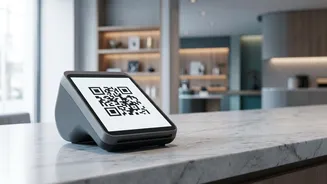
QR codes are convenient, but scammers are increasingly using them for fraud, a practice known as 'quishing'. They might paste a fake QR code sticker over a real one at a shop, parking meter, or on a flyer. When you scan it, it can lead to a fake payment portal that steals your financial details or a malicious website that downloads malware. Before scanning a QR code in a public place, check for signs of tampering, like a sticker placed over the original. Many phones now preview the URL from a QR code; take a moment to read it to ensure it's a legitimate and secure ('https') website.
Simple Habits for Strong Digital Security
Protecting your money doesn't require being a tech expert. Start with the basics: use strong, unique passwords for different accounts and enable two-factor authentication (like an OTP or biometric lock) wherever possible. Secure your smartphone and payment apps with a complex PIN or fingerprint lock. Regularly monitor your transaction history for any suspicious activity, no matter how small. Always download payment and banking apps from official sources like the Google Play Store or Apple App Store, and keep them updated. Avoid using public Wi-Fi for financial transactions, as these networks can be insecure.
What to Do If You Have Been Scammed
If you suspect you've become a victim of financial fraud, time is critical. The first thing you must do is call your bank's fraud helpline to block your card and account to prevent further losses. Immediately after, call the National Cyber Crime Helpline at 1930 and file a formal complaint on the National Cyber Crime Reporting Portal at cybercrime.gov.in. Under RBI rules, reporting an unauthorized transaction within three working days can limit your liability, increasing the chances of getting your money back. Keep all evidence, including transaction details, screenshots of messages, and any phone numbers or web links involved.