








What Exactly is El Niño?
El Niño is a naturally occurring climate pattern associated with the warming of ocean surface temperatures in the central and eastern tropical Pacific Ocean. Think of it as a massive heat release from the Pacific that disrupts typical weather patterns
around the globe. This isn't a new phenomenon, but the intensity varies. Forecasts for the current 2026 event suggest it could be unusually strong, with some scientists even using terms like a 'Super' or 'Godzilla' El Niño, potentially lasting into early 2027. This significant warming has far-reaching consequences, influencing everything from rainfall in India to winter temperatures across continents.
The Critical Monsoon Connection
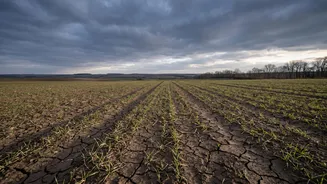
For India, El Niño's most significant impact is on the Southwest Monsoon, the lifeblood for a majority of the country's agriculture. A strong El Niño is historically linked to a weaker monsoon. The unusual warming in the Pacific alters atmospheric circulation, which can suppress the development of rain-bearing clouds over the Indian subcontinent. The effects are already being felt; the 2026 monsoon season is on track to be the driest in over a decade, with cumulative rainfall running significantly below the long-term average as of mid-September. The India Meteorological Department (IMD) has noted deficient rainfall across large parts of the country, confirming the link between the strengthening El Niño and the poor monsoon performance.
Crops on the Frontline
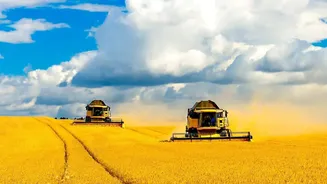
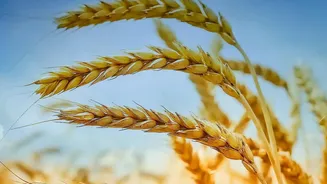
The immediate victims of a weak monsoon are the Kharif (summer) crops, which are planted in June and July and are heavily dependent on seasonal rains. Key staples like rice, maize, soybeans, and cotton are under stress in rainfed areas. Reports from September 2026 already indicate that drought conditions are affecting over half of India, putting standing Kharif crops at severe risk. The state of Maharashtra has been particularly hard-hit. The risk extends beyond the summer harvest. Poor monsoon rains lead to lower water levels in reservoirs, which are crucial for irrigating the subsequent Rabi (winter) crops like wheat. This creates the alarming possibility of a double-hit to the agricultural sector across two consecutive seasons.
Economic Ripple Effects Beyond the Farm
The impact of a poor harvest doesn't stop at the farm gate. A shortfall in agricultural production has a direct ripple effect on the wider Indian economy. Lower crop yields can lead to a spike in food prices, fueling inflation that affects every household's budget. With a large portion of the population dependent on farming, reduced agricultural output also means lower rural incomes and suppressed demand for goods and services, which can, in turn, slow down overall GDP growth. The concern is significant enough that fears over rising food inflation are growing as the monsoon deficit continues.
How India is Preparing
The Indian government, aware of the looming threat, has initiated contingency plans. The Agriculture Ministry has identified nearly 200 districts as being most vulnerable to the impact of El Niño. These plans include promoting the use of drought-resistant crop varieties, ensuring the availability of seeds for alternative crops, and preparing district-level strategies to manage water resources. Furthermore, a multi-ministry task force has been set up to monitor the situation, assess the impact on major crops, and even plan for potential commodity imports if domestic supplies fall short. Financial safety nets for farmers, such as crop insurance schemes and credit facilities, are also being put on high alert to cushion the economic blow.