
From Seeing to Doing
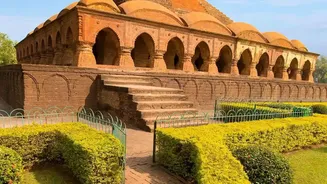
So, what exactly is experience-led tourism? At its core, it’s a shift from passive observation to active participation. Instead of simply snapping a photo of a monument from a distance, it’s about immersing yourself in the life of a destination. Think
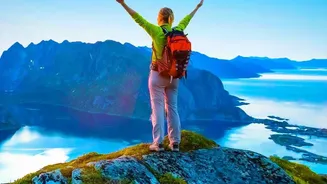
less about seeing the sights and more about engaging your senses. This could mean learning to cook regional dishes in a local home, trying your hand at ancient craft-making with artisans, or joining a multi-day trek through the Himalayas. This approach transforms travel from a transaction into a narrative where the traveller becomes part of the story, seeking authentic connections with the culture, people, and environment.
The New Explorers: Gen Z and Millennials
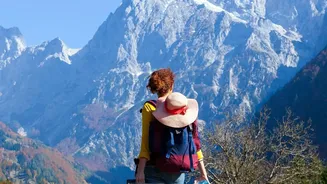
Driving this trend is a powerful demographic shift led by Millennials and Gen Z. For these younger travellers, a vacation is an extension of their identity and values. Recent studies reveal that a vast majority of young Indians prefer personal, unique trips over pre-planned packages, viewing travel as a route to personal growth. They are swapping one long annual holiday for multiple shorter, more frequent trips that fit flexibly into their lives. This 'anti-itinerary' generation deliberately leaves room for spontaneity, seeking out destinations that haven't gone viral online. The motivation is clear: they crave authentic experiences that create lasting memories, with a focus on culture, nature, and adventure.
What Experiential Travel Looks Like in India
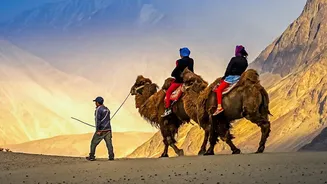
India's incredible diversity makes it a perfect playground for the experiential traveller. Culinary journeys are a popular choice, with travellers signing up for street food tours in Kolkata or joining cooking classes that begin with a trip to a local spice market. Adventure seekers can find their calling while whitewater rafting on the Ganges, camping on riverside sandbanks, or taking on the formidable Brahmaputra. For those seeking cultural immersion, the options are endless: stay in a restored heritage palace in Rajasthan, learn pottery from village artisans, or participate in the spiritual Ganga Aarti ceremony in Varanasi from a private boat. Even wellness has a new dimension, moving beyond spas to include yoga retreats and astrotourism in the clear skies of Ladakh.
A More Conscious Way to Travel
The rise of experience-led tourism carries benefits that extend beyond the individual traveller. By focusing on local interactions, it often channels money more directly into the hands of community members, homestay owners, and small-scale guides rather than large, impersonal chains. This model naturally aligns with principles of sustainable and responsible tourism, encouraging a deeper respect for local culture and the environment. Government initiatives like Swadesh Darshan 2.0 and Travel for LiFE are further bolstering this trend, promoting community-based rural tourism and helping to distribute visitor traffic beyond overcrowded hotspots. It's a model that not only enriches the traveller but also empowers and sustains the communities they visit.