
An Ancient Ritual Goes Mainstream
Before it was a trendy latte flavour, matcha was at the heart of Japanese culture. Its journey began in China during the Tang Dynasty, but it was Japanese Zen Buddhist monks who truly refined its role, introducing it to Japan in the 12th century. They
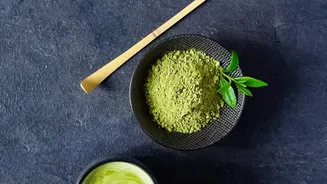
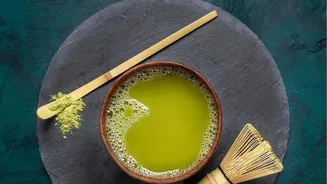
developed the Japanese tea ceremony, or 'chanoyu', a meticulous practice centred on preparing and serving matcha. This ritual isn't just about drinking tea; it’s a spiritual experience embodying harmony, respect, and tranquillity. This deep cultural significance gives matcha a gravitas that few other ingredients possess. When a creator uses matcha, they're not just using a flavouring; they're tapping into centuries of tradition and mindfulness, adding a layer of depth and story to their creations that resonates with a modern audience hungry for authenticity.
The Ultimate Instagram-Ready Ingredient
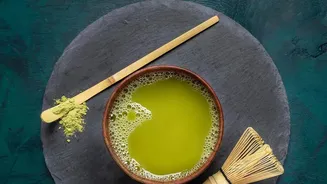
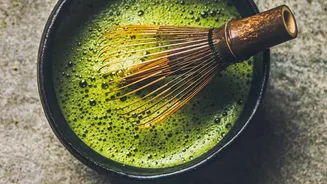
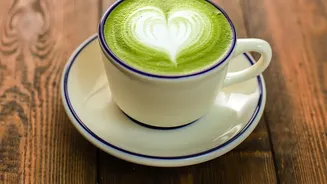
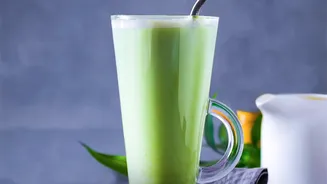
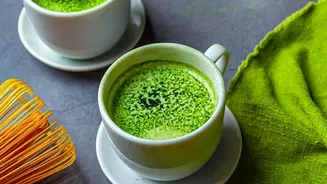
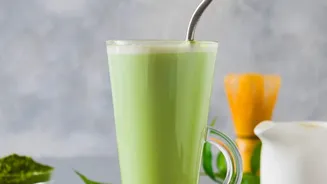
In the visual world of social media, matcha is a star performer. Its striking, vibrant green colour is naturally photogenic, making it a perfect fit for platforms like Instagram and TikTok. The colour green is often associated with nature, wellness, and calm, aligning perfectly with popular online aesthetics like the 'clean girl' and minimalist lifestyle trends. Creators have capitalized on this, with millions of videos demonstrating photogenic matcha drinks. The visual appeal extends to the process itself: the satisfying whisking of the powder, the slow pour of milk creating a mesmerising swirl, and the final, creamy green beverage are all highly engaging forms of content. This has even spawned viral trends like the 'matcha filter,' which turns photos into liquid green art, further cementing its place in internet culture.
A Uniquely Versatile Flavour
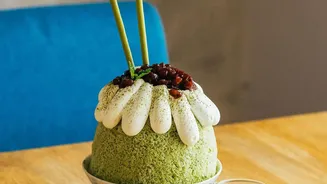
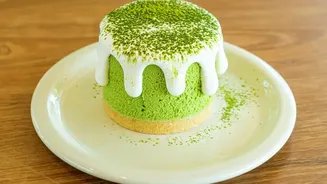
Beyond its looks, matcha boasts a uniquely complex flavour profile that makes it a playground for culinary creativity. High-quality matcha delivers a harmonious blend of savoury umami, a fresh vegetal or 'grassy' taste, and a subtle, lingering sweetness. This balance makes it incredibly versatile. It can be the star in a simple, traditional tea, but it also pairs beautifully with a wide range of other flavours. Food creators have combined it with everything from citrus and vanilla to almond and even chocolate. Its robust taste stands up well in baked goods, ice creams, and other desserts, where lower-grade culinary matcha provides a strong flavour base. This versatility allows for endless experimentation, letting creators push boundaries with both sweet and savoury applications.
A Sip of Calm Energy and Wellness
Much of matcha's modern popularity is tied to its perceived health benefits. It's packed with antioxidants, but its real standout feature is the combination of caffeine and an amino acid called L-theanine. Unlike the sharp jolt from coffee, the L-theanine in matcha slows the body's absorption of caffeine. This results in a calmer, more sustained energy boost without the infamous jitters or crash. Studies have shown that L-theanine promotes relaxation, can reduce stress and anxiety, and enhances focus by triggering alpha brain waves—the same ones associated with a meditative state. For creators and consumers focused on wellness and mindful living, matcha offers the perfect solution: a way to feel energized and focused while also feeling calm and centered.