
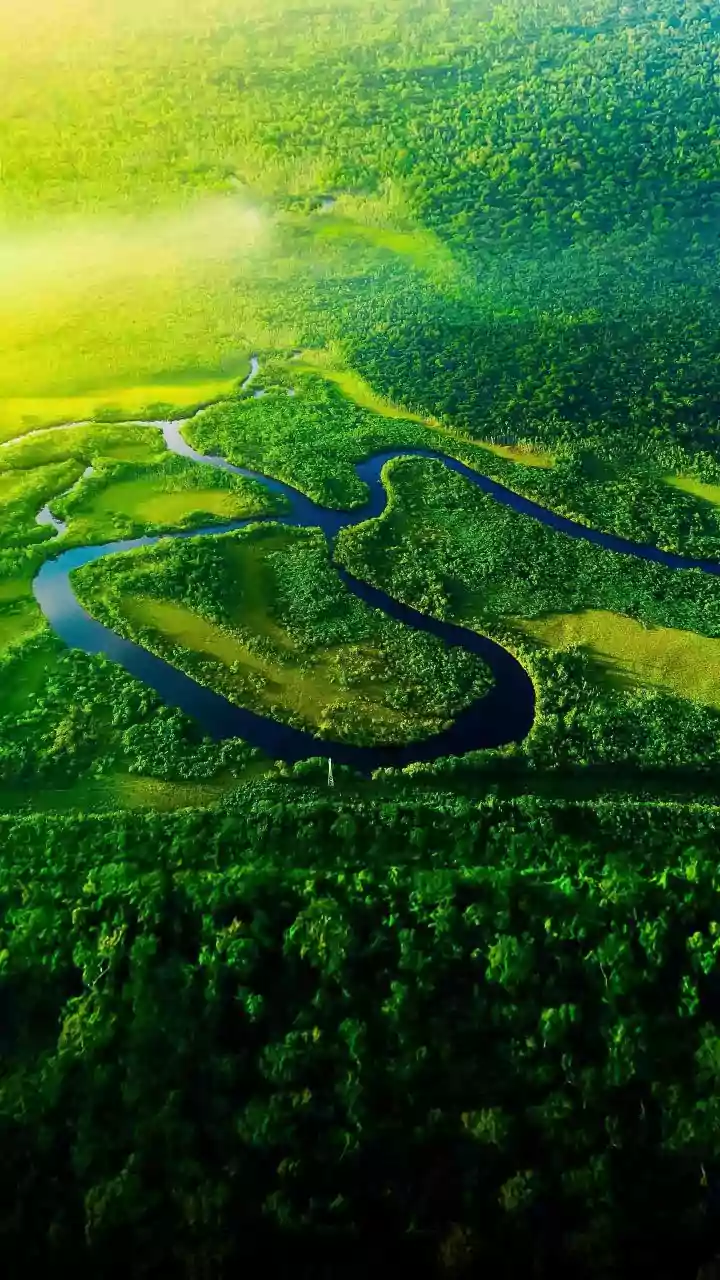





A Monsoon Stronger Than We Knew
Scientists have uncovered evidence suggesting the Indian Summer Monsoon was significantly stronger and more sustained about a thousand years ago than previously believed. Researchers from the Birbal Sahni Institute of Palaeosciences (BSIP) in Lucknow
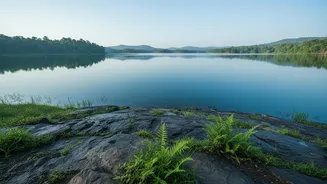
analysed ancient pollen grains preserved deep in the sediment of Raja Rani Lake in Korba district, Chhattisgarh. This area lies in the heart of India's Core Monsoon Zone (CMZ), the region that receives the vast majority of the country's annual rainfall. The findings indicate that between roughly 1060 and 1725 CE, central India experienced a period of intense rainfall that supported dense tropical forests. This wetter period coincides with a global warm phase known as the Medieval Climate Anomaly. This discovery challenges previous assumptions and underscores the dramatic natural variability of the monsoon system over centuries.
How Lake Mud Tells the Story of Rain
To understand the climate of centuries past, scientists turn to natural archives, and the mud at the bottom of lakes is one of the most valuable. As sediment slowly settles, it traps microscopic evidence of the surrounding environment, creating a timeline in layers. In the Chhattisgarh study, scientists extracted a 40-centimetre-long sediment core from Raja Rani Lake, which held an environmental record spanning about 2,500 years. The key to unlocking this record was palynology—the study of pollen grains. Different plants produce distinct pollen. By identifying and counting the pollen in each sediment layer, researchers can reconstruct what kind of vegetation grew around the lake at a specific time. A proliferation of pollen from forest-loving, moisture-dependent plants points to a period of strong rainfall and humid conditions, while an abundance of pollen from grasses and herbs suggests a drier climate.
The Limits of Modern Weather Data
Modern weather stations are crucial for day-to-day forecasting, but they have limitations for understanding long-term climate cycles. Most reliable, widespread meteorological records only go back about a century or so. This provides a relatively short snapshot of a climatic system that operates on timescales of thousands of years. Furthermore, station data can be affected by changes in instrumentation, station relocation, or urban development around the site, all of which can introduce inconsistencies into the long-term record. Relying solely on this modern data to understand the full range of monsoon behaviour is like trying to understand a person's entire life based on only the last few years. Natural archives like lake sediments provide the essential long-term context that modern instruments cannot.
Why Ancient Weather Matters Today
Reconstructing the monsoon's past is not just an academic exercise; it has critical implications for our future. Climate models that predict future weather patterns rely on historical data to test their accuracy and understand the fundamental drivers of the monsoon. The Chhattisgarh study, by revealing a period of naturally intensified monsoon activity, provides a crucial new dataset for refining these models. It shows what the monsoon system is capable of under different global conditions, such as the Medieval Climate Anomaly, which was driven by factors including La Niña-like conditions and high solar activity. Understanding these past periods of extreme behaviour helps scientists better anticipate how the monsoon might respond to ongoing global climate change, improving our ability to prepare for future shifts in this vital weather system.