





Why Munnar is Magical in the Monsoon
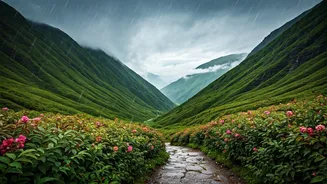
While many travellers flock to hill stations in the winter, the monsoon season (June to September) unveils a different, more intimate side of Munnar. [2, 6] The landscape transforms into a vibrant emerald paradise, with waterfalls like Attukal and Lakkam
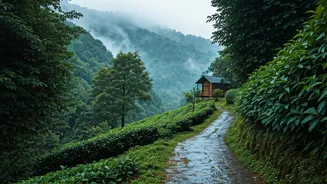
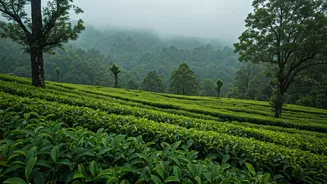
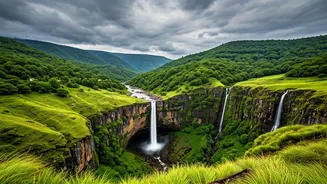
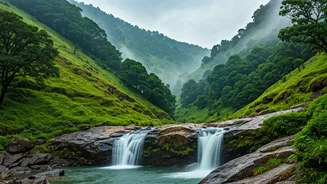
cascading at full force and the sprawling tea plantations looking their most lush. [3, 4, 5] The rains wash the world clean, leaving behind a fresh, cool atmosphere that’s perfect for couples seeking a quiet and cosy escape. [10] With fewer tourists, the off-season offers a more serene and personal experience, allowing you to explore at a slower pace and truly connect with your surroundings and each other. [9] The cool weather, misty mornings, and the gentle sound of rainfall create a naturally romantic ambience that is hard to find at any other time of the year. [9, 10]
The Allure of the Tea Garden Villa
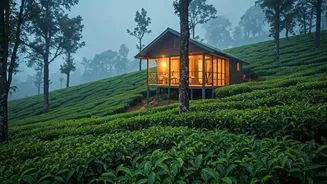
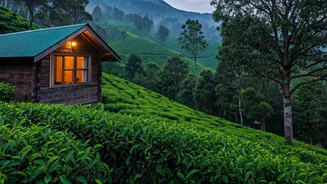
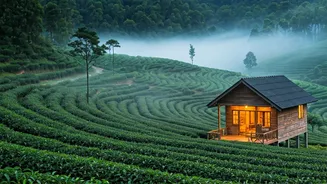
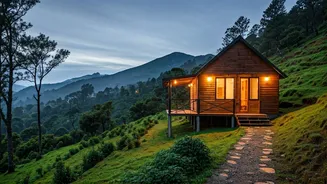
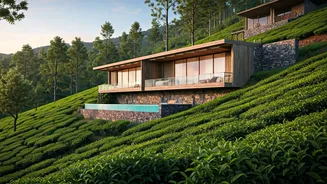
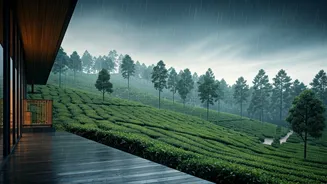
Staying within a tea estate is an experience in itself, far removed from a standard hotel room. [18] Many of these properties are heritage bungalows or thoughtfully designed modern cottages nestled directly within the plantations. [14, 18] Instead of a view of a busy town, your balcony opens up to endless slopes of meticulously pruned tea bushes, often shrouded in a delicate layer of fog. [17] These villas and cottages are designed for privacy and comfort, often featuring amenities like private balconies, large windows to frame the stunning views, and sometimes even cosy fireplaces. [10, 18] It’s about waking up, brewing a fresh cup of local tea, and watching the monsoon mist roll across the valley from the comfort of your own private sanctuary. [8] This immersive stay allows you to feel the rhythm of plantation life, offering a peaceful and authentic connection to Munnar's most famous feature. [15]
Understanding the 'Eco Villa' Experience
The term 'eco-villa' signifies more than just a place to stay; it represents a commitment to sustainability and responsible tourism. [12] These properties are designed to blend harmoniously with their natural surroundings, often using local materials and architectural styles that honour the heritage of the Western Ghats. [12] An eco-villa experience typically involves a deeper connection with nature. You might find that the property is part of a larger cardamom or coffee plantation, uses renewable energy, practices organic farming for its restaurant, and minimises waste. [12, 13] These retreats often forgo distractions like televisions in favour of offering tranquillity, fresh mountain air, and direct access to nature trails or streams. [13] Choosing an eco-villa means you are not only enjoying a luxurious and peaceful stay but also contributing to the preservation of Munnar's delicate ecosystem and supporting local communities. [12]
Crafting Your Romantic Monsoon Itinerary
A monsoon trip to Munnar is best enjoyed at a leisurely pace. Let the weather guide your days. When the rain is heavy, it’s the perfect excuse to stay in, read a book, enjoy a couple's Ayurvedic spa treatment, or simply share a conversation over endless cups of tea. [11] When the skies clear, a world of green awaits. Take a romantic walk through the glistening tea gardens, holding hands as you navigate the misty paths. [4] Many resorts can arrange guided tours of their plantations, where you can learn about the tea-making process from leaf to cup at the Tata Tea Museum. [3, 7] For a truly breathtaking experience, arrange a jeep safari to Kolukkumalai, the world's highest tea estate, to catch a sunrise above the clouds on a clear morning. [3] A gentle boat ride on Kundala Lake or Mattupetty Dam, with the water levels high and the surrounding hills at their greenest, is another quintessential romantic activity. [2, 4]
Essential Tips for a Monsoon Visit
While enchanting, a monsoon trip requires some practical planning. Pack warm layers and light, breathable clothing that you don’t mind getting a little damp. [8] A reliable raincoat or umbrella and sturdy, grippy footwear are non-negotiable for navigating wet and sometimes slippery paths. [2, 10] It’s wise to plan your travel during daylight hours, as ghat roads can be more challenging to drive on after dark in the rain. [3] While most major attractions remain open, some outdoor activities like extensive trekking or boating might be temporarily paused during very heavy downpours, so it's good to have a flexible itinerary. [3, 11] Finally, book your accommodation in advance. While it's the off-season, the most sought-after romantic villas and cottages can still fill up quickly with couples looking for that perfect rainy-day escape. [17]