



The Science of Rolling Clothes
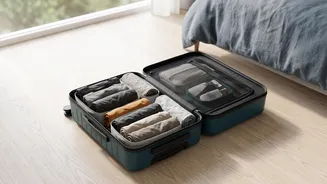
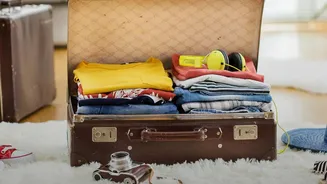
The primary reason rolling clothes saves space is that it eliminates the air trapped between fabric layers. When you fold a shirt or pair of pants, you create flat, rectangular shapes with pockets of air caught in the folds. Rolling, by contrast, creates
a dense, cylindrical bundle that pushes this excess air out. This makes each item more compact. Tightly rolled clothes can then be packed together like a puzzle, filling the odd-shaped gaps and corners of your suitcase more efficiently than bulky, folded stacks. This method is particularly effective for lightweight and casual items like t-shirts, leggings, and knitwear. Beyond saving space, rolling also helps to minimise sharp creases. Instead of creating a hard fold line, rolling distributes the pressure more evenly across the garment, resulting in fewer deep-set wrinkles when you unpack.
How Compression Bags Maximise Space
Compression bags take the principle of air removal to the next level. These bags, which are essentially heavy-duty plastic sacks with a one-way valve or a zip mechanism, allow you to manually force out nearly all the air surrounding your clothes. Some versions require you to roll the bag to push air out, while others use a small hand pump or even a vacuum cleaner to achieve maximum compression. By removing the air, these bags can reduce the volume of soft, bulky items by as much as 60 percent. This is a game-changer for packing things like puffer jackets, heavy sweaters, and pillows, which are mostly comprised of trapped air. The result is a significantly smaller, denser package that frees up a substantial amount of room in your luggage for other essentials.
Rolling vs. Compression: A Head-to-Head Comparison
While both methods save space, they have distinct advantages and disadvantages. Rolling is free, requires no special equipment, and is generally better for preventing wrinkles in everyday fabrics. It also allows you to see all your items at a glance without disturbing layers. However, for very bulky items like a thick wool sweater, rolling can sometimes create a bundle that's more awkward to pack than a neatly folded square. Compression bags are the undisputed champions of pure space-saving, especially for bulky gear. The downside is that the intense pressure can cause significant wrinkling, particularly in natural fibers like cotton and linen. They can also be inconvenient; if you need one item from a compressed bag, you often have to unseal and re-compress the entire bundle. Finally, a crucial point to remember is that neither method reduces weight. It's easy to use the extra space to overpack and exceed your airline's carry-on weight limit.
The Hybrid Approach: A Winning Strategy
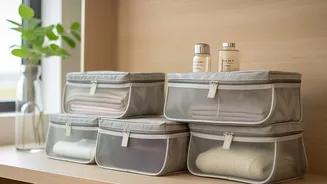
For the ultimate packing efficiency, you don’t have to choose one method over the other. The most effective strategy is often a hybrid approach that leverages the strengths of both techniques. Use compression bags for your bulkiest, most compressible items that aren't prone to severe wrinkling, such as down jackets, fleece pullovers, or spare pillows. This tactic isolates the items that take up the most volume and shrinks them down dramatically. For the rest of your clothing—t-shirts, pants, dresses, and underwear—use the rolling method. You can even place your rolled items inside packing cubes for an extra layer of organization. This combined system allows you to manage bulky items with compression bags while keeping your everyday clothes organised, accessible, and relatively wrinkle-free through rolling. It's a balanced system that provides maximum space without sacrificing convenience or the condition of all your clothes.