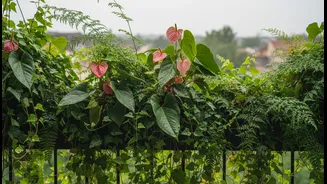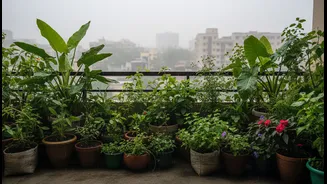








The Golden Rule: Drainage is Everything
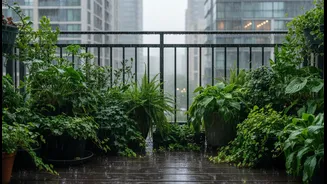
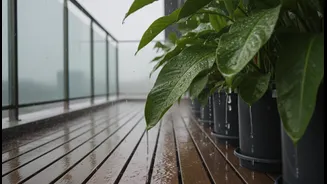
Before you buy a single seed, understand this: the biggest killer of balcony plants during the monsoon is waterlogging. Heavy, continuous rain can saturate the soil, suffocating roots and causing them to rot. Your number one priority is ensuring excess
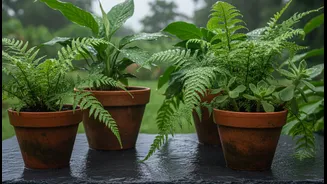
water has a way to escape. Choose pots with multiple drainage holes. Terracotta or fabric grow bags are excellent choices, as they are porous and allow soil to breathe. Elevate your pots on bricks or pot stands to prevent the drainage holes from getting blocked and to ensure water doesn't pool underneath. Renters should consider lightweight pots to avoid putting stress on balcony railings or floors.
Crafting the Perfect Potting Mix
Bagged garden soil is often too dense for containers and will turn to sludge in the rain. You need a light, airy, and well-draining potting mix. A simple, effective mix for Indian conditions can be made by combining equal parts garden soil, cocopeat (for moisture retention without weight), and compost or vermicompost (for nutrients). Cocopeat is made from coconut husk and is great at holding moisture while keeping the mix from compacting. For extra drainage, especially for vegetables, adding a small amount of sand can be beneficial. This mix ensures that while the soil stays moist, it doesn't become a swamp for your plant's roots.
What to Plant: The Monsoon Edible All-Stars
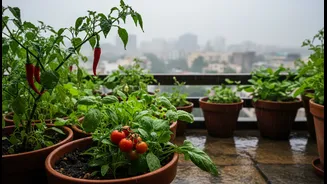
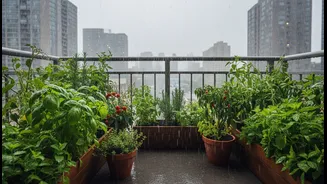
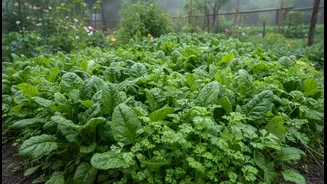
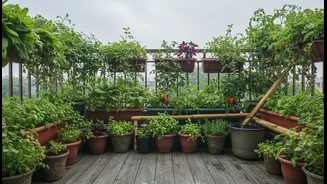
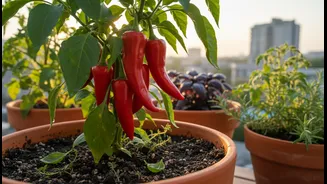
The monsoon is a fantastic time to grow a variety of vegetables and herbs that love humidity. For beginners, start with hardy, fast-growing plants. Leafy greens like spinach (palak) and amaranth (chauli) are great choices. Herbs such as mint (pudina) and coriander (dhania) also thrive. If you have a bit more space and sunlight, you can easily grow okra (bhindi), green chillies, and brinjal in 12- to 15-inch pots. Vining plants like cucumber and certain gourds can also be grown if you provide them with a trellis or railing to climb on. While tomatoes can be grown, they are prone to fungal diseases in high humidity, so they may be challenging for first-timers.
Monsoon-Specific Care and Pest Control
While the rains will do most of the watering for you, you still need to be vigilant. Never water your plants if it has recently rained; always check the soil first. The high humidity is also a breeding ground for pests and fungal diseases. To improve air circulation, avoid crowding your pots together. Pests like aphids and whiteflies can be managed with a simple, organic spray made by mixing neem oil with a few drops of liquid soap and water. This should be sprayed every 10-14 days as a preventive measure. Also, regularly inspect the undersides of leaves, where pests often hide. Be sure to empty any saucers or trays under your pots to prevent them from becoming breeding grounds for mosquitoes.
Feeding and Harvesting Your Bounty
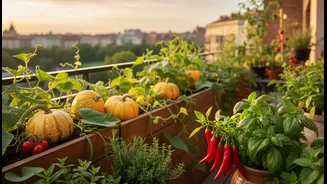
Heavy rains can wash nutrients out of the soil in pots, leaving your plants hungry. You might notice this if leaves start to turn yellow. To replenish these nutrients, feed your plants every 15 days or so with a light, organic fertilizer. A handful of vermicompost added to the topsoil or a diluted liquid seaweed solution works wonders. Harvesting regularly is also key. For leafy greens and herbs, snipping leaves often encourages the plant to produce more. For vegetables like bhindi and chillies, picking them as soon as they are ready promotes continuous fruiting throughout the season.