


Hiding in plain sight at the end of a banana cluster is a culinary gem waiting to transform your meals. The banana flower, a traditional staple in South and Southeast Asia, is gaining global recognition as a uniquely versatile ingredient.
What Exactly Is a Banana Flower?
Also known as
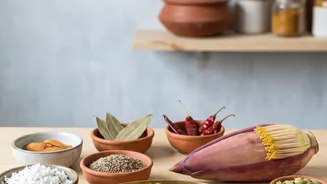
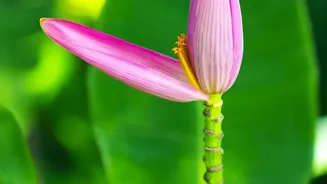
a banana blossom or banana heart, this is the large, teardrop-shaped purple flower that grows at the end of a bunch of bananas. Botanically, it is an inflorescence, a cluster of flowers arranged on a stem. While the tough, deep-purple outer leaves (called bracts) are typically discarded or used as serving vessels, the tender inner leaves and the pale, fleshy heart are the edible prizes. For centuries, it has been a cornerstone of Indian and Southeast Asian cooking, valued not just for its taste but also for its wholesome properties.
A Unique Taste and Texture
Don't let the name fool you; the banana flower tastes nothing like the sweet fruit it produces. Its flavour is much more subtle and complex, often compared to vegetables like artichokes, hearts of palm, or bamboo shoots. It has a mild, slightly nutty taste that can have a hint of bitterness if not prepared correctly. The texture is perhaps its most compelling feature. When cooked, it becomes tender and flaky, making it an excellent plant-based substitute for shredded meat or fish in a variety of dishes. This neutral flavour profile allows it to absorb spices and sauces beautifully, making it a versatile player in the kitchen.
Packed with Nutritional Benefits
Beyond its culinary uses, the banana flower is celebrated for its nutritional value. It is low in calories and fat while being a good source of dietary fibre, both soluble and insoluble. It's also rich in essential minerals like potassium, calcium, magnesium, iron, and zinc. Additionally, banana blossoms contain a range of antioxidants, including quercetin and catechins, which help protect the body from oxidative stress. Traditional medicine systems have long used it for various purposes, and modern research is beginning to explore its potential health benefits, from aiding digestive health to helping manage blood sugar and cholesterol levels.
The Art of Preparation
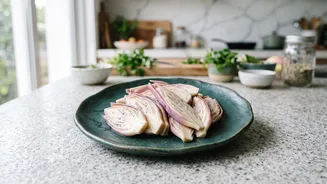
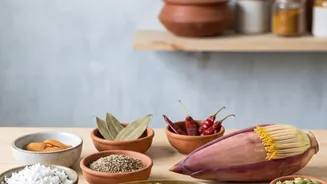
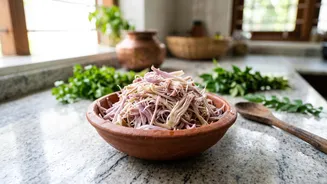
Preparing a fresh banana flower can seem intimidating, but it's a straightforward process. The key is to work quickly and use an acidic solution to prevent browning and reduce bitterness. Start by oiling your hands to avoid stains from the sap. Peel away the tough outer purple bracts. Underneath each layer, you'll find a row of small florets. For the larger florets, you'll need to remove the tough, matchstick-like pistil and the small, scale-like outer petal (calyx), as they are inedible and bitter. As you get closer to the core, the leaves and florets become more tender and don't require this cleaning. The entire chopped flower should be immediately submerged in a bowl of acidic water (water with lemon juice, vinegar, or buttermilk). This step is vital for a pleasant taste and appearance.
From Traditional Curries to Modern Tacos
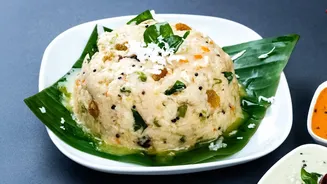
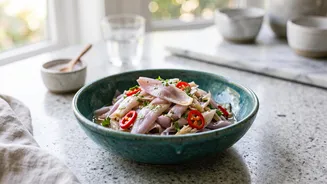
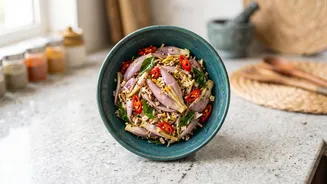
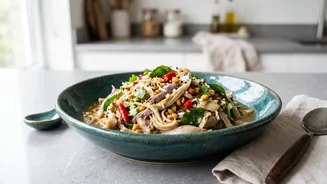
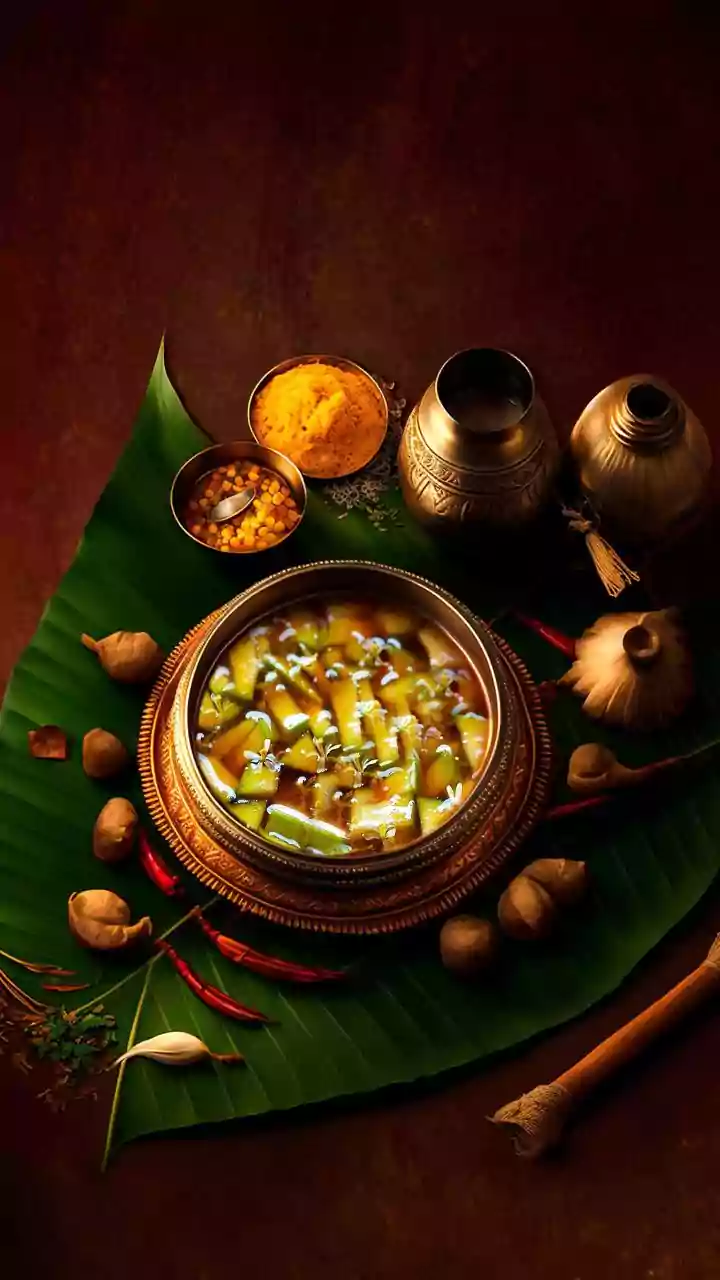
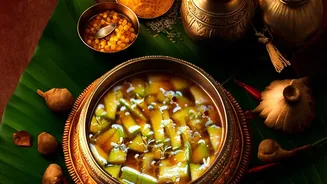
The culinary applications for banana flower are vast. In South India, it's the star of dishes like 'vazhaipoo poriyal', a flavourful stir-fry with coconut, and 'vazhaipoo vadai', which are savoury fritters. In Bengal, 'mochar ghonto' is a classic dry curry made with banana blossom, potatoes, and spices. Thai and Vietnamese cuisines feature it in refreshing salads. Thanks to its flaky texture, it has also found a modern role as a plant-based substitute for fish, perfect for making vegan 'fish' tacos or 'fish' and chips. Whether stir-fried, simmered in a curry, or battered and fried, the banana flower brings a unique and satisfying element to any dish.