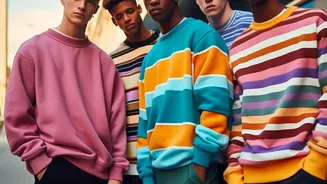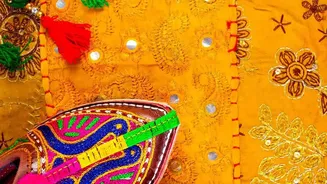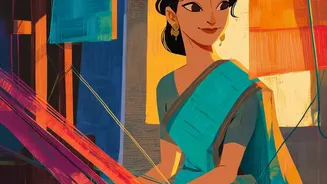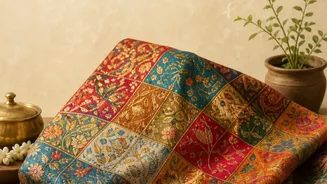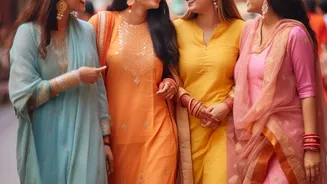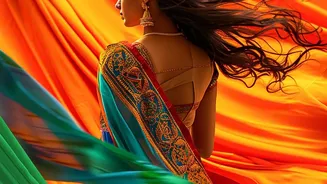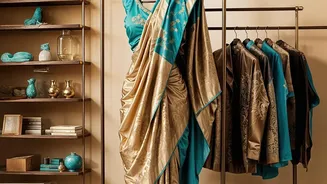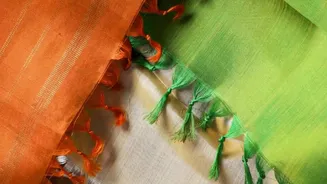



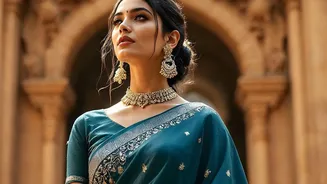
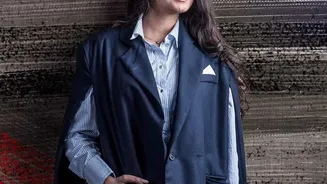
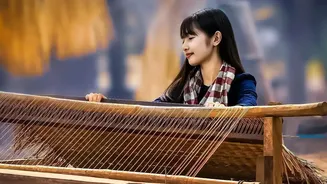
For years, India’s exquisite regional weaves were reserved for special occasions. Now, a new generation is taking these heirlooms to the streets, blending ancient crafts with modern silhouettes to create a bold, new streetwear identity.
From Occasion-Wear to Everyday Expression
The narrative around
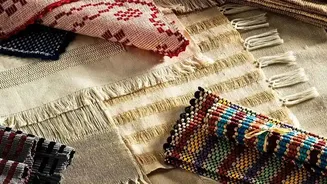
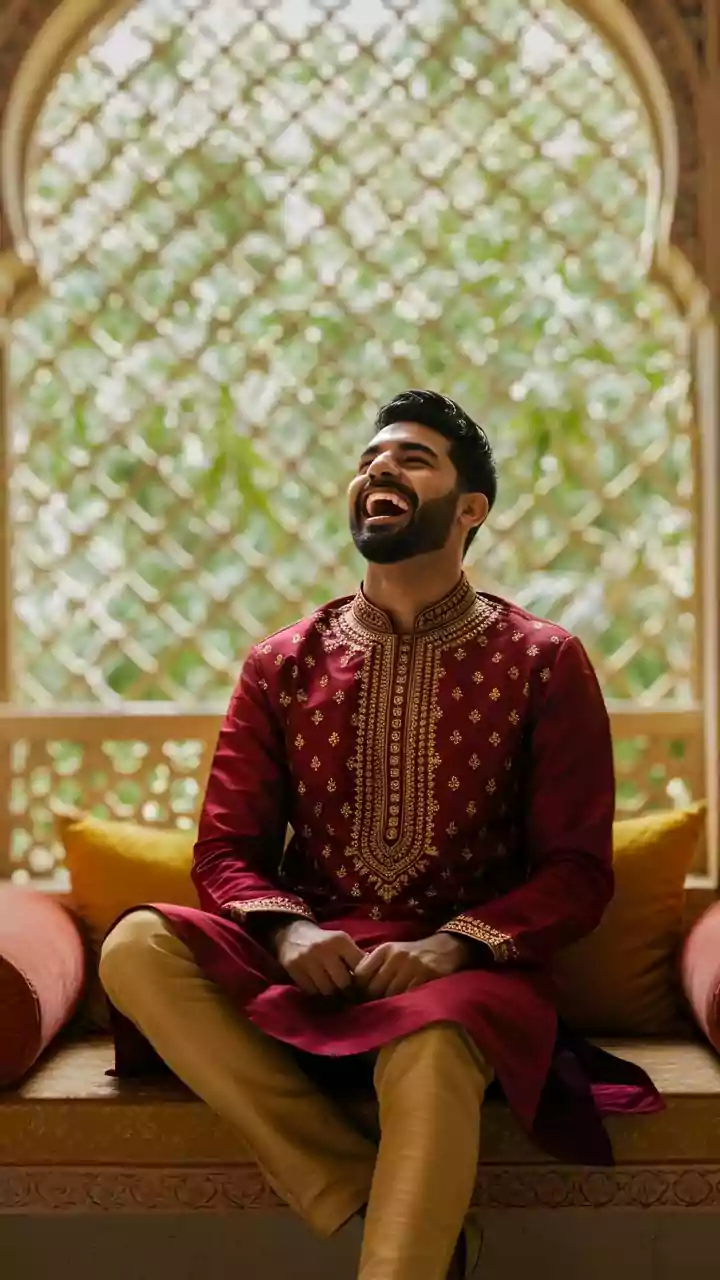
Indian handloom is changing. What was once confined to a mother's wedding trousseau or a festive-only saree is now breaking free. Young fashion enthusiasts across India are deconstructing traditional attire and reimagining it for their daily lives. The rich textures of Banarasi silk, the intricate patterns of Ajrakh block prints, and the airy lightness of Chanderi are no longer just for formal events. They are being integrated into bomber jackets, crop tops, sneakers, and oversized shirts, creating a fashion language that is both globally aware and deeply rooted in Indian culture. This shift marks a move from ceremonial garb to a form of personal, everyday expression.
The Weaves and Prints Making Waves
Several key textiles are at the forefront of this trend. Ikat, with its signature blurred geometric patterns from Odisha and Telangana, has become a favourite for jackets, dresses, and even trousers. The tie-dye traditions of Bandhani and Leheriya from Gujarat and Rajasthan are adding a splash of vibrant colour to dupattas styled as scarves, crop tops, and flowing skirts. Ajrakh, a block-printing technique from Kutch known for its deep indigo and madder hues, is finding new life in casual shirts and accessories. Even delicate weaves like Jamdani and Chanderi are being transformed into versatile, modern separates that pair effortlessly with denim and sneakers.
How to Style the Heritage-Street Look
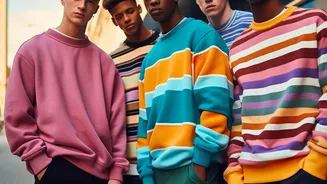
The magic of this trend lies in the art of the mix. It's about balancing the traditional with the contemporary. An Ikat bomber jacket thrown over a simple white t-shirt and jeans is a popular combination. A hand-block printed Ajrakh shirt can be worn open over a crop top with cargo pants. Many are styling lightweight sarees, like those made of Chanderi or Kota Doria, with chunky sneakers and a belt instead of traditional footwear and petticoats. Another key look involves pairing lehenga skirts with oversized blazers or structured crop tops, creating a powerful fusion silhouette. The goal isn't to wear a 'costume' but to integrate a single, powerful handcrafted piece into a modern wardrobe.
More Than Just a Trend: Identity and Sustainability
This movement is driven by more than just aesthetics; it's a statement of identity and values. For many in Gen Z, choosing to wear a handloom piece is a way to connect with their cultural roots in a globalised world. It’s a conscious choice to stand out from the homogeneity of fast fashion. Furthermore, there is a strong link to sustainability. This trend champions slow fashion, supports local artisan communities, and preserves generational skills that are at risk of disappearing. By purchasing and wearing these textiles, consumers are participating in an ecosystem that provides livelihoods to millions of weavers and craftspeople, often in rural areas.
The Digital Runway of Social Media
Social media platforms, particularly Instagram, have acted as a massive catalyst for this trend. Fashion influencers and young designers showcase innovative ways to style traditional fabrics, offering endless inspiration. Reels demonstrating how to turn an old saree into a co-ord set or drape a dupatta in a new way go viral, democratizing fashion and encouraging experimentation. This digital exposure gives visibility to smaller, ethical brands and artisan clusters, connecting them directly with a new generation of conscious consumers who value authenticity and storytelling.