

The Monsoon's Bounty
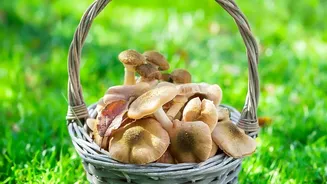
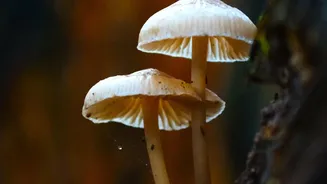
Across India, the rainy season, typically from July to October, signals the start of foraging season for a host of edible wild fungi. This is not a new trend but an ancient practice rooted in the deep ecological knowledge of indigenous communities. From
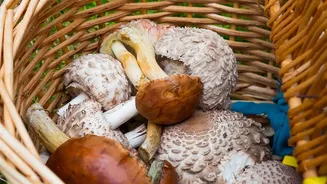
the Himalayan foothills to the Western Ghats, local communities venture into the forests to harvest these seasonal delicacies, which play a vital role in their diet and local economy. Each region boasts its own unique varieties, with names and harvesting techniques passed down through generations. For many, the monsoon is incomplete without at least one meal featuring these earthy, flavorful fungi.
Treasures of the Forest Floor
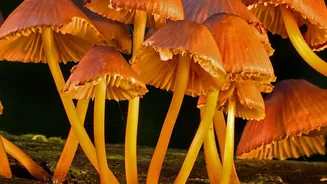
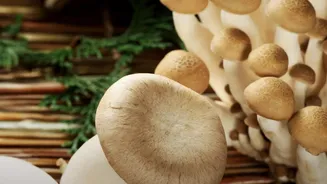
Among the most prized is the Gucchi, or morel mushroom (Morchella esculenta), found in the high-altitude forests of Himachal Pradesh, Uttarakhand, and Kashmir. With its distinctive honeycomb-like cap and intense, smoky flavor, the Gucchi cannot be commercially cultivated and must be foraged by hand, making it one of the world's most expensive mushrooms. Further south, in the forests of Goa, Maharashtra, and Karnataka, the monsoon brings forth the revered 'Olmi' or 'Alami' (Termitomyces). These mushrooms have a fascinating symbiotic relationship with termite mounds, upon which they grow. Considered sacred in many parts of Goa, Olmi mushrooms are known for their meaty texture and nutty taste, earning them the nickname 'Goan Truffles'.
A Taste of Tradition
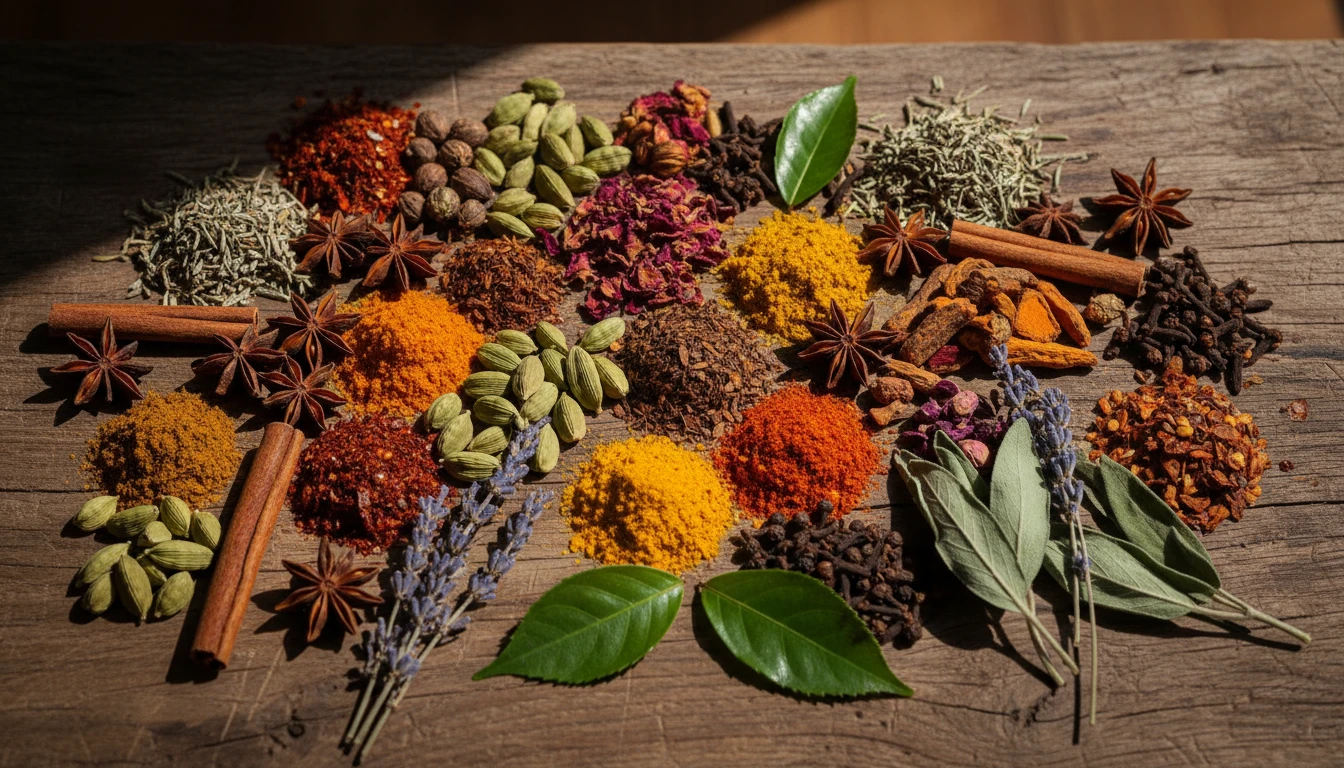
For centuries, wild mushrooms have been a cornerstone of regional Indian cuisines. In Himachal, Gucchi mushrooms are the star of festive dishes like Gucchi Pulao, a fragrant rice preparation savored for its rich, earthy notes. In Goa, a traditional Xacuti, a complex and spicy curry, is considered incomplete without the inclusion of monsoon Olmi mushrooms. These fungi are also used in simpler preparations that allow their unique flavors to shine, such as a simple stir-fry with minimal spices or a flavorful chili fry. In many communities, mushrooms that aren't consumed fresh are dried and preserved, providing a vital source of nutrition and flavor during the leaner months.
The Modern Culinary Canvas
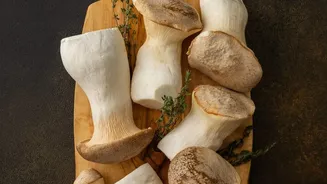
This ancient tradition of foraging is now capturing the imagination of India's leading contemporary chefs. Drawn to the concepts of hyper-local sourcing and celebrating indigenous ingredients, chefs are moving beyond the familiar button mushroom and embracing the diverse flavors of the Indian wilderness. Chefs like Vanika Choudhary of Mumbai's Noon and Thomas Zacharias, formerly of The Bombay Canteen, have been pioneers in this movement, incorporating foraged ingredients into their modern Indian menus. Wild mushrooms are now appearing in innovative forms, from fermented preparations and savory broths to toppings on sourdough rotis, introducing a new generation of diners to these long-held traditions.
From Forest to Fork
The growing interest in wild mushrooms is not just a culinary trend; it's a celebration of India's immense biodiversity and the ancestral knowledge of its forest communities. This renewed appreciation helps provide a sustainable livelihood for foragers and highlights the importance of preserving these delicate ecosystems. However, the rising demand also brings challenges, including the risk of over-harvesting and the impact of climate change on these sensitive fungi. Striking a balance between culinary exploration and conservation is key to ensuring that this unique aspect of India's natural and cultural heritage can thrive for generations to come.