





What is Cold Hydrotherapy?
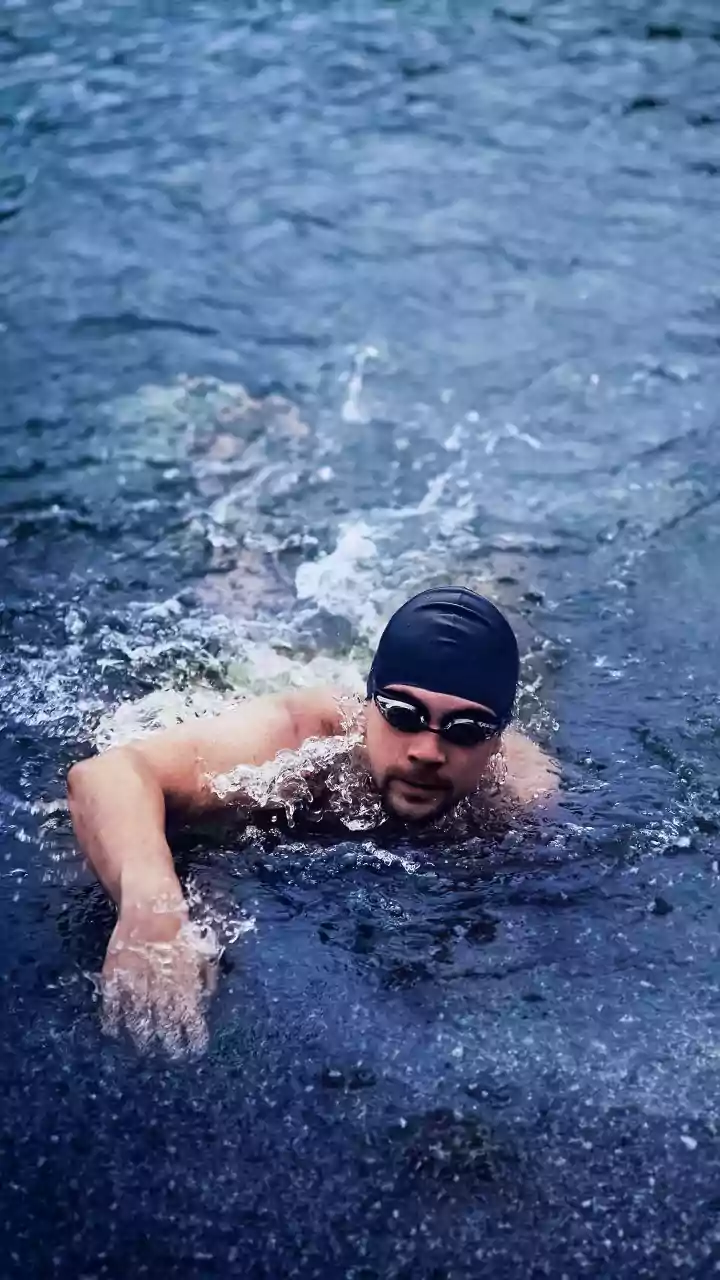
Cold hydrotherapy, also called cold water immersion, involves briefly submerging your body in water at temperatures of 15°C (59°F) or below. This can take many forms, from a quick, cold shower to a full-body plunge into an ice bath or a chilly natural
body of water. For centuries, cultures around the world have used cold water for its therapeutic properties. Today, modern science is beginning to understand the physiological mechanisms that make this practice so effective for both mind and body. The core principle involves using the stress of the cold to trigger adaptive responses in the body.
A Jolt to Your Focus
One of the most immediate effects of a cold plunge is a powerful feeling of alertness and sharp focus. When your skin's cold receptors detect the sudden drop in temperature, they send a flurry of electrical impulses to your brain. This triggers a significant release of norepinephrine, a key neurotransmitter responsible for attention, focus, and vigilance. Some studies have recorded a massive increase in norepinephrine levels following cold water immersion. This surge essentially acts as a reset button for your brain, quieting distracting thoughts and enhancing cognitive function. Many regular users report a lasting sense of mental clarity and productivity for hours after a session.
Training Your Stress Response
While it seems counterintuitive to use a stressful event to fight stress, cold hydrotherapy works by creating a controlled, short-term stressor known as hormesis. This process trains your nervous system to become more resilient. The initial shock activates your sympathetic nervous system, the 'fight-or-flight' response. However, as you focus on your breathing and endure the cold, you encourage your body to shift into its parasympathetic state, often called 'rest and digest'. This shift is largely driven by the stimulation of the vagus nerve, a long cranial nerve that helps regulate heart rate, digestion, and emotional calm. By deliberately activating this pathway, you get better at managing stress in your everyday life.
Balancing Stress Hormones
Chronic stress leads to elevated levels of cortisol, a hormone that can cause a host of health issues when persistently high. While the initial cold shock might cause a brief cortisol spike, research indicates that regular cold water immersion can lead to an overall reduction in cortisol levels over time. Studies have shown that cortisol can decrease significantly in the hours following a cold plunge. By making your body more efficient at handling the acute stress of the cold, you may also improve your baseline ability to regulate cortisol in response to other daily stressors, leading to a calmer and more balanced state.
How to Get Started Safely
If you're curious about trying cold hydrotherapy, the key is to start slowly and listen to your body. You don't need to jump into an ice-filled tub right away. Begin by finishing your regular shower with 30 seconds of cold water, focusing on steady breathing. As you get more comfortable, you can gradually increase the duration. When you feel ready for a full immersion, start with a water temperature around 15°C (59°F) for just one to two minutes. It's always best to have someone nearby, especially when starting out in open water. After your session, warm up gradually with a towel and warm clothes rather than a hot shower, which can be too jarring for your system.