





Before You Leave Home: Check and Prepare
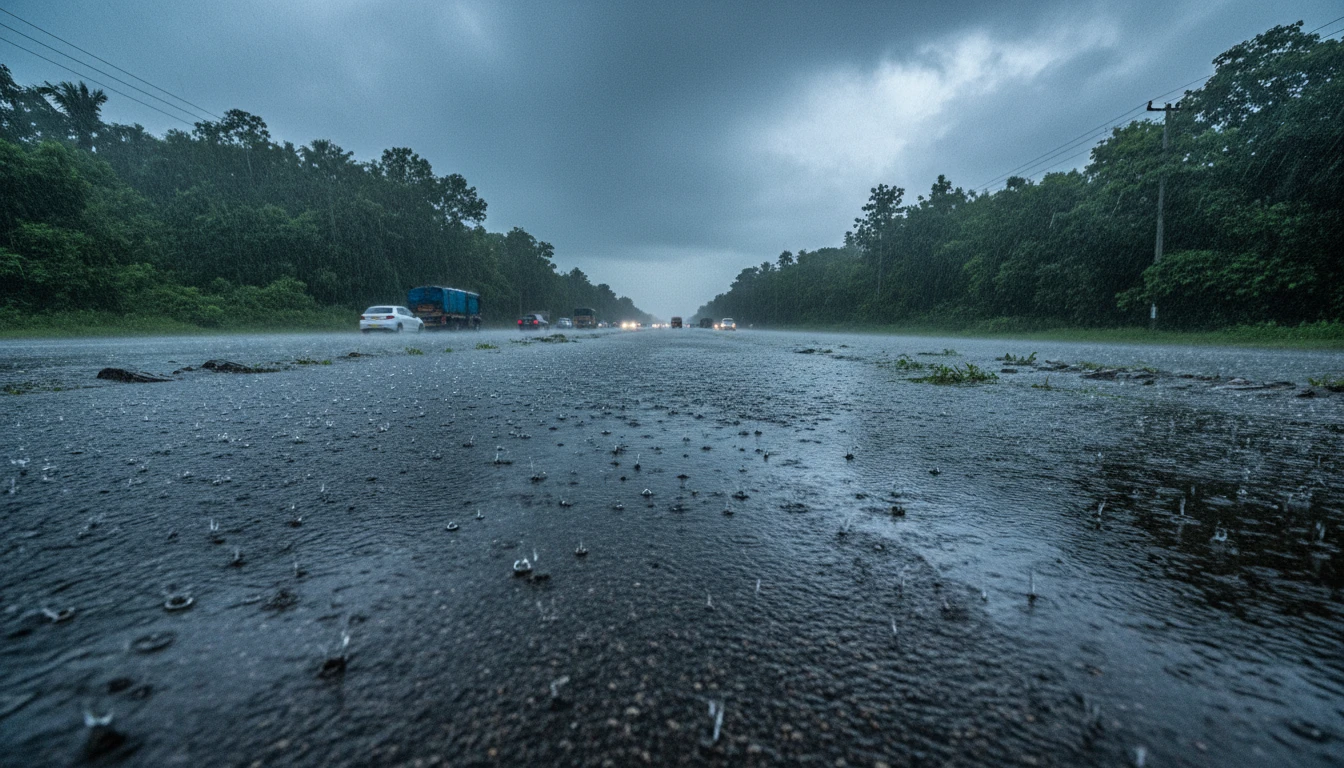
The safest journey is one that is well-prepared. Before stepping out, always check the latest weather forecasts and traffic updates for your route. Heavy rain can cause unexpected waterlogging, road closures, or transport delays. Consider postponing non-essential
travel if authorities issue severe weather warnings. For your vehicle, a pre-monsoon check-up is critical. Ensure your tyres have adequate tread (at least 3mm deep is recommended) and are properly inflated. Test your brakes, as their efficiency can decrease on wet roads. Finally, make sure your headlights, brake lights, and indicators are all working perfectly—they are essential for visibility in a downpour.
For Drivers: Navigating Treacherous Roads
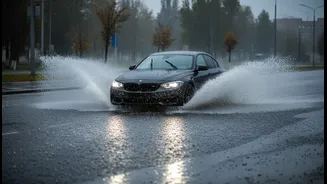
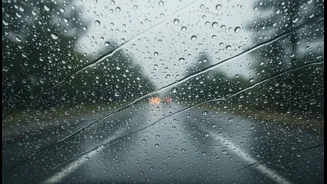
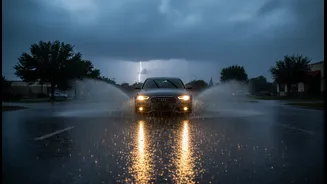
Once on the road, your driving habits must adapt to the conditions. The most important rule is to reduce your speed. Wet roads significantly increase braking distance and the risk of skidding or hydroplaning. Maintain at least double the usual distance from the vehicle in front of you. Keep your headlights on low beam, even during the day, to ensure other drivers can see you. High beams can reflect off the rain and worsen visibility for oncoming traffic. Avoid sudden braking or sharp turns. If visibility becomes extremely poor, it is safer to pull over to a secure, elevated spot and wait for the rain to subside.
The Menace of Waterlogged Streets
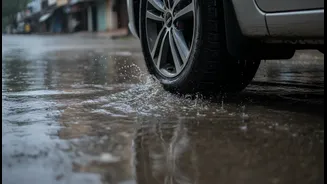
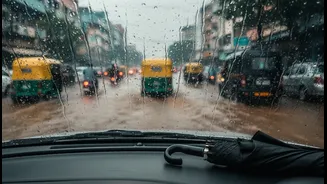
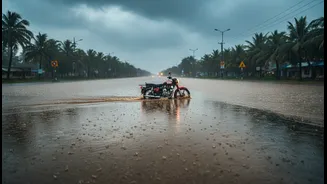
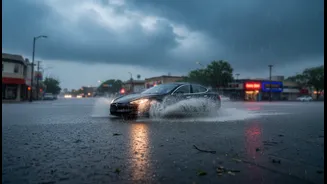
Waterlogged roads are one of the biggest dangers during the Indian monsoon. The golden rule is simple: if you cannot gauge the depth of the water, do not attempt to drive through it. What appears to be a shallow puddle could be hiding deep potholes, open manholes, or other debris. As little as six inches of water can cause you to lose control of your car, and a foot of water can stall most vehicles. If you must cross a waterlogged patch and are certain it's shallow, drive slowly in a low gear while keeping the engine revs high to prevent water from entering the exhaust. If your vehicle stalls in water, do not try to restart it, as this can cause severe engine damage. Turn on your hazard lights and abandon the vehicle for safer, higher ground if necessary.
For Pedestrians and Two-Wheeler Riders
Commuters on foot or two-wheelers are most vulnerable during heavy rains. For pedestrians, wearing the right footwear with a good grip is essential to prevent slipping. Try to wear brightly coloured rain gear or add reflective elements to make yourself more visible to drivers in low light. Avoid the understandable urge to run across streets; reduced visibility means drivers may not see you in time. For two-wheeler riders, a helmet with a clear, clean visor is non-negotiable. Be extra cautious of slippery road markings, manhole covers, and oily patches. Remember to be considerate and slow down, as your braking ability is compromised.
Beware of Hidden Electrical Hazards
Waterlogging brings a serious risk of electrocution from damaged electrical poles, submerged junction boxes, and fallen wires. Be extremely cautious and maintain a safe distance from any electrical infrastructure. Never touch electrical switches or appliances if you are wet or standing in water. Report any fallen power lines or sparking wires to the local authorities immediately and warn others to stay clear. When walking, avoid wading through stagnant water as it could be energized or hide live wires.
Your Monsoon Commuter Emergency Kit
Getting stuck in traffic for hours is a common monsoon experience. Being prepared can make a huge difference. Keep a basic emergency kit in your car or bag. This should include a fully charged power bank for your phone, a bottle of drinking water, and some non-perishable snacks. A small first-aid kit, a towel, and an umbrella or raincoat are also essential. Ensure your important documents and electronics are protected in a waterproof bag. Having these items on hand can provide comfort and safety during unexpected delays.