








A New World on Your Plate
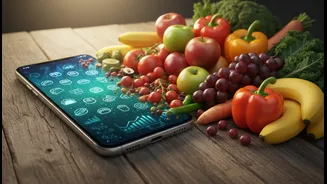
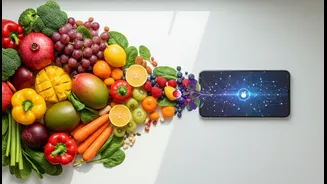
For millions of Indians, particularly in urban centres, the internet has become a gateway to a global pantry. Food delivery apps and e-grocery platforms offer an unprecedented variety of cuisines and ingredients, from regional specialties to international
trends like quinoa biryani and ketogenic pizzas. This digital exposure can play a role in diversifying diets. Studies have shown that internet use can be positively correlated with dietary diversity, partly by improving access to information and a wider range of foods. With access to countless recipes and the ability to source ingredients that were once unavailable locally, digitally connected households have the opportunity to experiment and potentially enrich their nutritional intake.
The Real Cost of Convenience
This newfound convenience, however, comes at a cost that reflects on household budgets. The online food delivery market in India is enormous, valued at over USD 55 billion in 2025 and projected to grow rapidly. While apps often provide discounts, the overall trend points towards increased spending on processed and ready-to-eat meals. Data from 2022-23 shows that the share of spending on processed food, beverages, and refreshments is rising sharply in both rural and urban India. An average urban consumer now spends significantly on these items, a trend fuelled by the ease of home delivery. This reflects a broader shift where, as incomes rise, the proportion spent on essential food grains decreases, while spending on discretionary and convenience items goes up.
A Double-Edged Sword for Nutrition
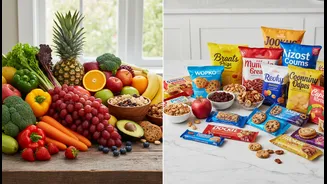
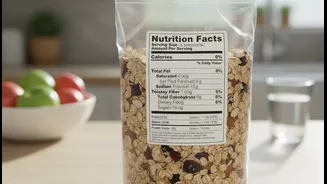
The impact on national health is complex. While technology can provide access to nutritional information and diverse foods, the boom in online ordering is also linked to India's ongoing "nutrition transition." This transition involves a move away from traditional diets toward more processed, westernized foods high in fat and sugar. This shift is a contributor to India's dual burden of malnutrition, where undernutrition persists alongside a rapid increase in over-nutrition and lifestyle diseases like obesity and diabetes. While the internet can boost dietary knowledge, it also significantly increases the consumption of fast food, creating a complicated public health challenge.
Not Everyone Gets a Seat at the Digital Table
Perhaps the most critical issue is that these digital changes are not happening uniformly. India's digital divide remains stark. Despite near-universal mobile phone ownership, a significant portion of the population remains offline, especially in rural areas and among the poorest households. Around 27.5% of households are entirely offline, with the figure rising to 32.2% in rural India. For these families, the benefits of e-groceries and access to online health information are non-existent. This creates a new dimension of inequality, where the digitally connected can access a world of food choices and convenience, while the unconnected are left behind. The digital revolution in food, therefore, risks deepening the very social and economic inequalities it has the potential to reduce.