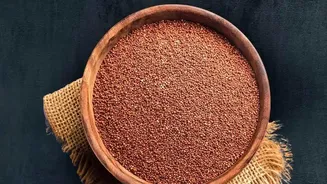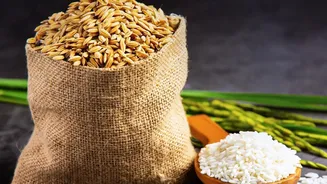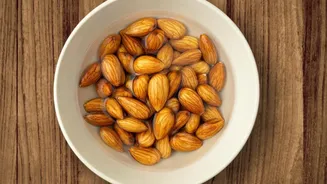







Ancient grains are a powerhouse of nutrition, but their long cooking times can be a drawback. What if a simple, no-cost step could change that? Soaking grains overnight not only saves time but also cuts down on your LPG or electricity bills.
Why Soaking Works Wonders
The secret
lies in simple hydration. Whole grains are seeds protected by a tough outer layer called bran. This bran is rich in fibre but also acts as a barrier, making it take longer for heat and water to penetrate the grain. When you soak grains overnight, water has ample time to soften this tough exterior. This 'pre-digestion' process means that when you finally turn on the stove, the grain is already partially broken down and hydrated. As a result, it cooks much faster, sometimes in as little as half the time required for unsoaked grains. This reduction in cooking time directly translates to using less fuel, whether it's the gas from your cylinder or the electricity for your induction cooktop, leading to tangible savings over time.
A Guide to Grains That Love a Good Soak
While most whole grains benefit from soaking, some show more dramatic results than others. Hard, dense grains that are popular in Indian households are prime candidates. This includes a variety of millets like jowar (sorghum) and bajra (pearl millet), as well as whole wheat berries, spelt, and barley. Even brown and wild rice can have their cooking times shortened. These grains, when soaked for 8-12 hours, become tender and cook more evenly. However, some smaller or softer grains don't require this step. Quinoa, for instance, only needs a thorough rinsing to remove its bitter saponin coating, though a short soak of a few hours can be beneficial. Rolled oats and amaranth also cook quickly on their own and don't need an overnight soak.
Your Simple Step-by-Step Soaking Method
Making soaking a part of your routine is incredibly easy and requires no special equipment. Start by measuring the amount of grain you intend to cook. Place it in a large bowl and rinse it under running water a couple of times to wash away any dust or impurities. Once rinsed, cover the grains with at least double the volume of water. For example, for one cup of grains, use at least two to three cups of water. You can also add a tablespoon of an acidic medium like lemon juice or apple cider vinegar, which helps to further break down anti-nutrients. Cover the bowl and leave it on your kitchen counter overnight, or for at least 8 hours. The next day, you can drain the soaking water and cook the grains in fresh water, which some prefer to reduce any sour taste.
Benefits Beyond the Kitchen Stove
The advantages of soaking go beyond just saving time and fuel. Whole grains contain phytic acid, an 'anti-nutrient' that can bind to minerals like iron, zinc, and calcium, preventing your body from absorbing them fully. The soaking process helps to neutralise this phytic acid, making the valuable nutrients in the grains more bioavailable. Many people also find that soaked grains are much easier to digest. The process breaks down complex starches and gas-causing compounds, which can lead to less bloating and digestive discomfort. Finally, soaking results in a superior texture. Grains cook more evenly, leading to a fluffier, softer, and more pleasant mouthfeel in the final dish.