




The Constant Challenge: Carbon Dioxide
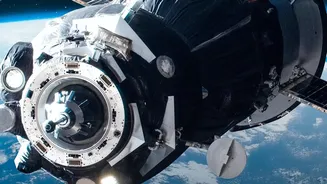
On Earth, we rarely think about the carbon dioxide (CO2) we exhale. Plants and the sheer scale of our atmosphere handle it for us. In a sealed environment like the International Space Station (ISS), however, that CO2 is a constant and potentially lethal
threat. Every breath an astronaut releases adds to the concentration of CO2 in the cabin air. Too much can lead to headaches, dizziness, and impaired judgment—dangers that are magnified when performing complex tasks in orbit. For decades, space missions have relied on single-use chemical filters or older, maintenance-heavy systems to scrub CO2 from the air. The Apollo missions famously used lithium hydroxide canisters, a one-and-done solution that is impractical for long-duration stays on the ISS or future multi-year missions to Mars.
A Regenerative Revolution: The Four-Bed Scrubber
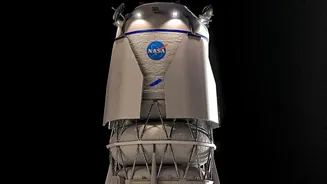
Enter the next generation of air revitalization, developed for the Artemis program and tested aboard the ISS: the Four-Bed Carbon Dioxide Scrubber (4BCO2). This system represents a major leap forward in creating a sustainable, closed-loop life support system. Unlike its predecessors, the 4BCO2 is a regenerative system, meaning it can cleanse the air continuously with minimal need for replacement parts. Launched to the station in 2021, this technology demonstration has been operating as a key part of the station's Environmental Control and Life Support System (ECLSS), proving its reliability for missions that will take humans farther from Earth than ever before. The goal is to create a system that is not just effective but also durable and requires very little hands-on work from the crew.
How It Works: A Cycle of Absorption and Purging
The 4BCO2 system operates on a clever cycle using four beds filled with an adsorbent material, a type of solid zeolite designed to capture CO2 molecules from the air. At any given time, two beds are actively working, drawing in cabin air and trapping the CO2. Meanwhile, the other two beds are in a regeneration phase. They are heated and exposed to the vacuum of space, which causes the captured CO2 to be released and vented harmlessly away. This continuous, overlapping cycle ensures that the air is always being scrubbed without interruption. The system also includes advanced blowers with magnetic bearings, which reduce wear and tear compared to older designs, significantly increasing the unit's lifespan and reliability—a critical factor for missions far from home.
Beyond the Scrubber: The Thermal Amine System
NASA is testing more than one solution to ensure the most robust systems for future missions. Also operating on the ISS is the Thermal Amine Scrubber (TAS). This system uses a different method, employing a chemical called amine that is bonded to small, porous beads. The amine has a strong attraction to CO2 at room temperature but releases it when heated. Like the 4BCO2, the TAS is regenerative. Air passes through a canister of the amine material, which absorbs the CO2. The canister is then heated to a relatively low temperature to release the CO2, which is vented overboard. The lower regeneration temperature could potentially save power and reduce stress on equipment, making it another promising candidate for long-haul spaceflight.
From the ISS to the Moon and Mars
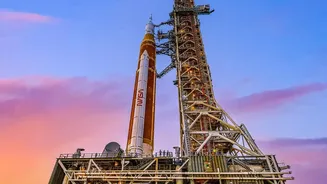
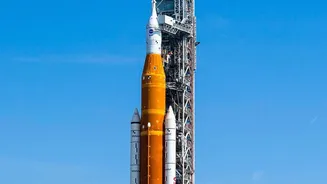
The International Space Station serves as the ultimate testbed for these life-sustaining technologies. By running the 4BCO2 and TAS systems for thousands of hours in a real microgravity environment, NASA gathers invaluable data on their performance, reliability, and maintenance needs. This knowledge is directly informing the design of the life support systems for the Orion spacecraft and the future Gateway lunar outpost, both central to the Artemis program. These regenerative scrubbers are significantly more compact and efficient than the systems used during the shuttle era, a critical improvement for the tight confines of deep-space vehicles. The success of these technologies is not just about clearing the air; it is about making multi-year missions to Mars a feasible reality by closing the life-support loop and dramatically reducing the need for costly resupply missions from Earth.